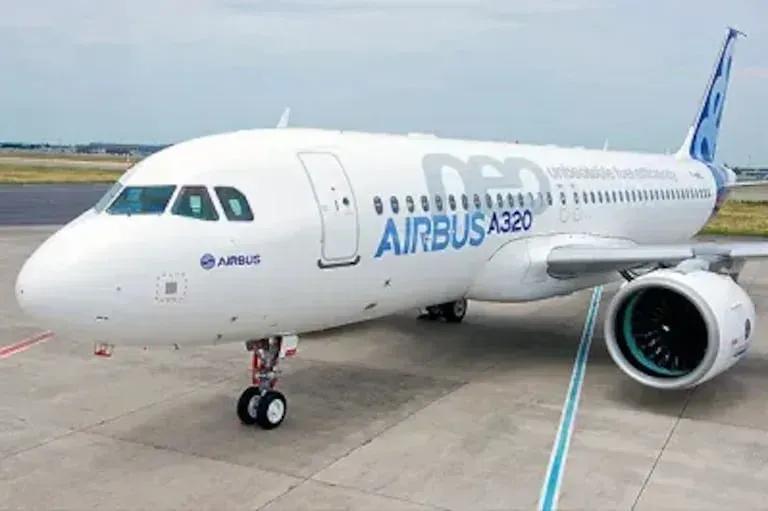
The Airbus A320 has been a fundamental pillar in commercial aviation since its introduction in 1988. This analysis seeks to understand why Airbus's recent request to ground approximately 6,000 A320 aircraft is a relevant issue in the current context. The situation affects not only airlines but also has broader economic implications, including the impact on supply chains and consumer confidence. In this article, we will examine the current context, the reasons behind this decision, international comparisons, and the possible consequences for the industry and the global economy.
📊 Current Situation and Context
Recently, Airbus requested airlines to ground 6,000 A320 aircraft due to issues related to its control program. According to reports, this action is due to software defects that could compromise safety. This request impacts a fleet that represents approximately 40% of the global commercial aircraft market. In 2022, airlines reported revenues close to $419 billion, highlighting the magnitude of the potential economic impact of this decision. The industry is already in the process of recovery following the devastating effects of the pandemic, making this new challenge even more critical.
🔍 Analysis of Causes and Factors
The root of the problem lies in the increasing technological complexity of the Airbus A320. This model has incorporated advanced systems that require rigorous maintenance and constant software updates to ensure safe operation. Historically, the aviation industry has faced similar challenges; for example, Boeing also had to deal with critical issues in its 737 MAX model, resulting in a crisis of confidence and significant losses. In this specific case of the A320, the defects have been attributed to a system that was not adequately updated during scheduled reviews. This raises questions about the quality control processes within Airbus and how these affect both its reputation and finances.
🌍 International Comparison and Global Impact
By observing how other countries have managed similar situations, we find instructive examples. In the United States, following the incident with the Boeing 737 MAX, the FAA implemented stricter regulations regarding the maintenance and technical oversight of aircraft. This resulted in significant delays in deliveries and a considerable loss for Boeing, estimated at over $20 billion in compensations and operational costs. In contrast, the European Union, where Airbus operates, has adopted less restrictive but equally critical approaches to ensure air safety. The comparison reveals that an appropriate response can prevent greater crises in public trust towards airlines.
⚠️ Implications and Consequences
The economic implications are vast. Affected airlines may experience significant losses due to additional costs for grounding or rescheduling flights. According to a preliminary analysis, it is estimated that each day of inactivity could cost airlines between $10 million and $15 million in lost revenue. Additionally, suppliers associated with these airlines will also suffer adverse effects on their financial operations. This situation could lead to a temporary increase in airfare prices due to the reduced number of available flights and increased operational costs.
📈 Strategic Perspective and Future Outlook
Looking ahead, it is imperative that Airbus implements effective strategies to restore confidence among both its customers and end consumers. The company must prioritize significant improvements in its technological systems and reinforce its internal protocols to avoid similar recurrences. Additionally, it should consider how these disruptions could influence its global competitors and continuously innovate to remain relevant in the face of future challenges.
In conclusion, while the A320 remains a key piece in global commercial aviation, this episode highlights the critical importance of preventive maintenance and proactive management of technological risk. Undoubtedly, the balance between technological innovation and safety is essential for the sustainable future of this vital industry.
Comments