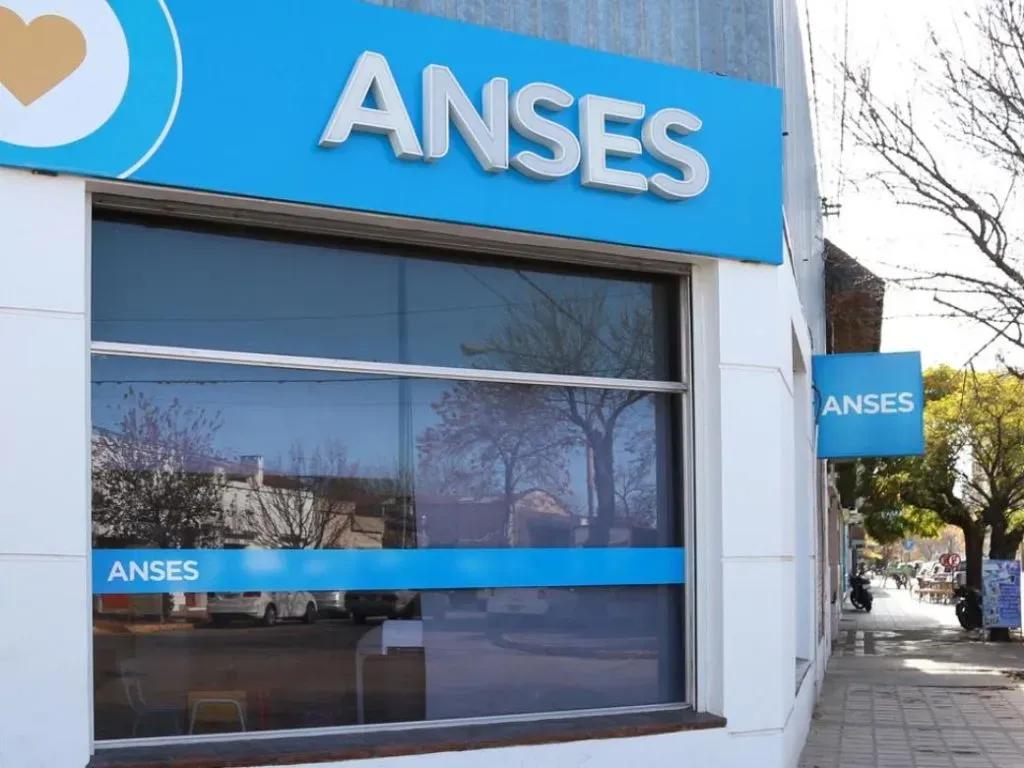
The recent activation of economic assistance by ANSES for unemployed workers raises important questions about its effectiveness and sustainability. Is this measure sufficient to address the rise in unemployment in Argentina? In a context where the unemployment rate stands at around 7.5% according to INDEC, it is crucial to evaluate the impact of this assistance and its relevance in an economic system facing deep structural challenges. This analysis focuses on the nature of this support, its economic and social implications, as well as comparisons with similar policies in other countries.
📊 Current situation and context
In recent months, Argentina has experienced a notable increase in unemployment rates, with figures reaching 9% in some provinces according to data from the Ministry of Labor. In this context, ANSES has activated an economic assistance program aimed at workers who have lost their jobs without justified cause. This assistance not only seeks to mitigate the immediate impact of unemployment on Argentine households but also to encourage economic recovery in the medium term. However, it is estimated that only 30% of the unemployed qualify to receive this support, leaving many without access to critical resources in difficult times.
🔍 Analysis of causes and factors
The causes of rising unemployment in Argentina are multifaceted and include structural and cyclical economic factors. High inflation, which exceeded 100% annually according to INDEC, has eroded the purchasing power of citizens, generating uncertainty among employers about their ability to maintain their workforces. Additionally, the lack of foreign direct investment — which has fallen by 40% since 2019 — has limited available job opportunities. Historically, economic crises in Argentina have led to job precarization that disproportionately affects the most vulnerable sectors.
🌍 International comparison and global impact
Looking at how other countries have managed similar situations, significant examples emerge. For instance, Spain implemented a temporary employment subsidy program during its financial crisis that managed to keep the unemployment rate below 20%, despite the economic collapse. Similarly, Germany applied "Kurzarbeit" (short-time work) policies that allowed companies to retain employees during difficult periods through state subsidies. These experiences demonstrate that temporary aid can be effective when combined with strategies aimed at sustainable growth and economic recovery.
⚖️ Implications and consequences
The social implications of the economic assistance provided by ANSES are significant. While it provides immediate relief to thousands of Argentine families affected by unemployment, it also raises questions about the fiscal sustainability of the state. The growing burden on the national budget may exacerbate pre-existing issues such as the fiscal deficit — which reached approximately 4% of GDP — and increase inflationary pressure if not managed appropriately. Furthermore, it is essential to consider how this assistance might affect motivation to re-enter the labor market.
📈 Strategic perspective and future outlook
Looking ahead, it is imperative that Argentina does not rely solely on this economic assistance as a long-term solution. An integrated strategy is required that includes labor reforms to encourage the formalization of employment and measures to stimulate private investment. Creating programs focused on professional training can help equip workers with skills demanded in the current market. However, there are also risks associated with prolonged dependence on state support; it is essential to find a balance between immediate assistance and proactive policies to promote sustainable employment.
In conclusion, while the economic assistance provided by ANSES is a necessary step in the face of an acute labor crisis, it is crucial to complement it with broader strategies aimed at addressing underlying structural issues in the Argentine economy. This will not only help mitigate the immediate effects of unemployment but also build a more resilient and sustainable future for all Argentines.
Comments