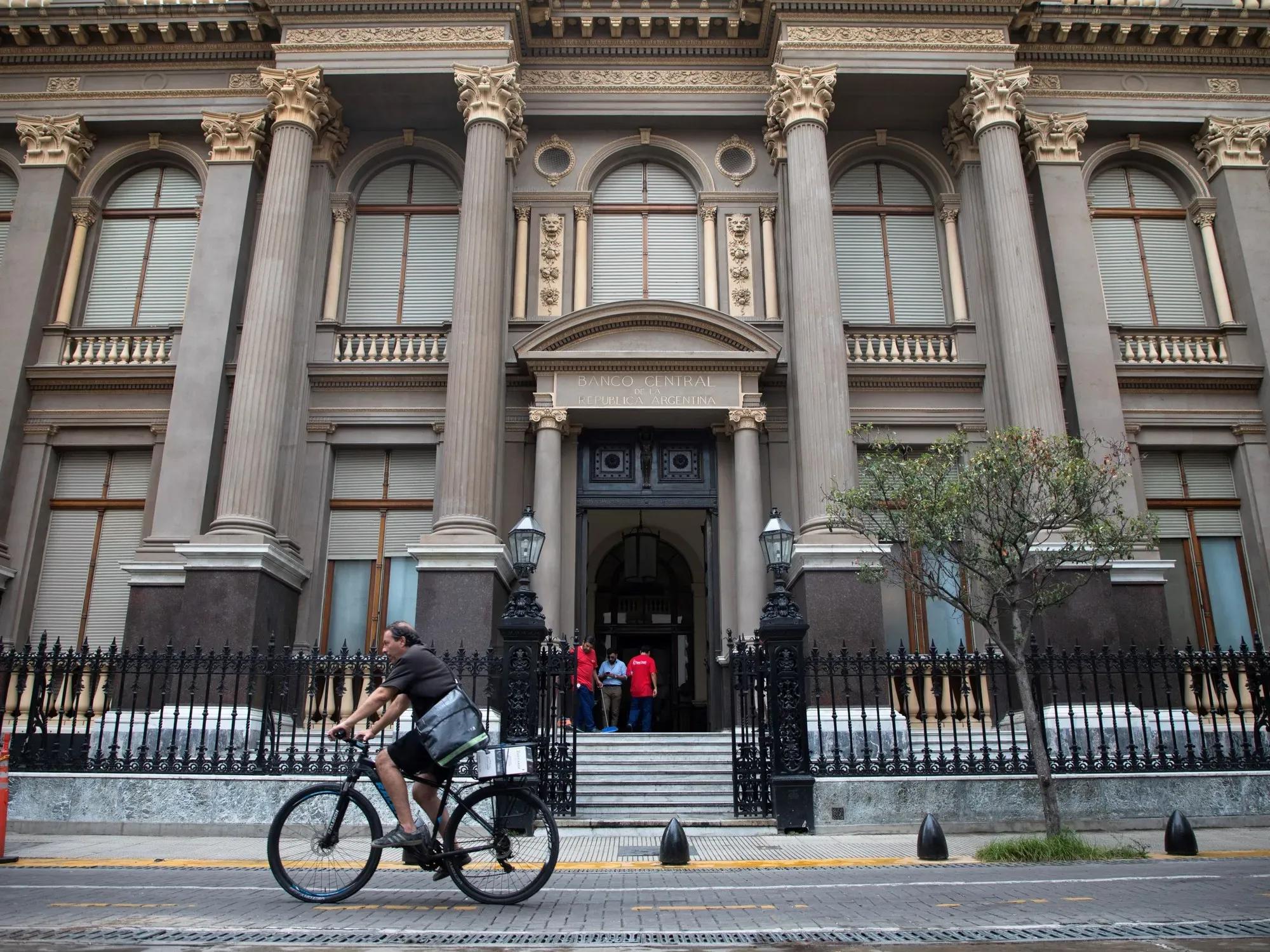
The recent call for a bank strike in Argentina, announced by the Banking Association, has raised concerns about the future of the financial system and its impact on the national economy. This strike, which will take place in response to the closure of branches of the Central Bank, raises critical questions about the stability of the banking sector and public trust in financial institutions. In this context, it is crucial to analyze the underlying causes of this measure, its historical context, and the implications for citizens and businesses.
📉 Current situation and context
The announcement of the bank strike comes at a critical moment for Argentina. According to data from the Central Bank of the Argentine Republic (BCRA), international reserves have decreased by 25% since the beginning of the year, leading to significant pressure on the financial system. The Banking Association has indicated that this strike is a direct response to branch closures and staff reductions at the BCRA, which could severely affect the services offered to citizens. Additionally, there is an annual inflation rate exceeding 100%, creating an environment of economic uncertainty where access to banking services becomes even more vital.
🔍 Analysis of causes and factors
The bank strike is not an isolated phenomenon; it is the result of a series of interrelated factors. Firstly, the prolonged economic crisis in Argentina has led to a lack of trust in financial institutions. Historically, Argentina has faced several banking crises, with the economic collapse of 2001 being particularly notable, which left deep scars on the public perception of banks. The current uncontrolled inflation and inconsistent fiscal policies have exacerbated this distrust.
Moreover, budget cuts in the public sector have led to massive layoffs and branch closures, creating a hostile environment for workers in the financial sector. The lack of dialogue between the authorities and the unions has also contributed to rising labor tensions. Thus, this strike can be seen as a manifestation of the accumulated discontent towards policies that do not adequately address the needs of both the labor sector and the public.
🌍 International comparison and global impact
In comparison to other Latin American countries, Argentina presents a unique landscape regarding banking stability. For example, Chile has faced similar challenges with labor strikes in the past; however, its ability to implement structural reforms and maintain ongoing dialogue with social actors has helped mitigate these conflicts. In 2019, during a series of massive protests in Chile, the government took immediate steps to address social demands without significantly interrupting financial services.
On the other hand, countries like Venezuela have suffered severe banking crises due to erratic economic policies and a lack of institutional trust. The Venezuelan experience serves as a warning about how an unstable economic environment can lead to the total collapse of the banking system if not addressed appropriately.
⚠️ Implications and consequences
The implications of the bank strike are multiple and profound. From an economic standpoint, such a measure can generate a significant reduction in daily financial activity, affecting both individuals and businesses. According to recent estimates, a day without banking operations could cost the country around $200 million in lost transactions. Furthermore, this situation could further intensify the capital flight towards more stable markets.
Socially, the impact could be devastating: families without access to their savings or businesses unable to make critical payments could face additional difficulties in an environment already complicated by high inflation. In the long term, if these labor tensions continue unresolved through effective negotiations between unions and the government, we could see an increase in social polarization and public discontent.
📈 Strategic perspective and future outlook
Looking ahead, it is essential for Argentine authorities to implement effective strategies to address both the labor concerns and the underlying economic issues driving these strikes. Institutional strengthening must be a priority; without strong institutions, there can be no trust or investment possible. Open dialogue with social actors will allow for addressing legitimate concerns while working towards economic stability.
Moreover, it would be wise to consider structural reforms that address not only immediate problems but also historical ones that have led the Argentine banking system to its current fragile state. Failing to do so risks not only perpetuating cycles of recurring crises but also losing valuable opportunities to revitalize our economy in an increasingly competitive global context.
In conclusion, the bank strike represents not only an immediate challenge but also an opportunity to reflect on how to strengthen our financial institutions in the face of future adversities. Undoubtedly, Argentina needs more than quick fixes; it needs a clear path towards greater financial stability and social inclusion.
Comments