Climate change has become a determining factor affecting multiple economic sectors globally, with agriculture being one of the most vulnerable. In Argentina, a country whose economy largely depends on agriculture, the central question is: how is climate change affecting agricultural production, and what implications does it have for the future of the sector? This analysis is crucial in a context where extreme weather conditions are increasing, and appropriate strategies are needed to mitigate their adverse effects.
🌾 Current Situation and Context
According to data from the National Meteorological Service (SMN), Argentina has experienced an average temperature increase of 1.5°C since 1900. This increase is related to phenomena such as prolonged droughts and intense rainfall, which have negatively impacted agricultural production. In particular, INDEC reported that in 2022, the agricultural sector’s GDP fell by 12% due to adverse weather conditions. The loss of soybean, corn, and wheat crops has been significant, with estimates indicating that droughts could reduce soybean production by as much as 30% in certain regions.
🔍 Analysis of Causes and Factors
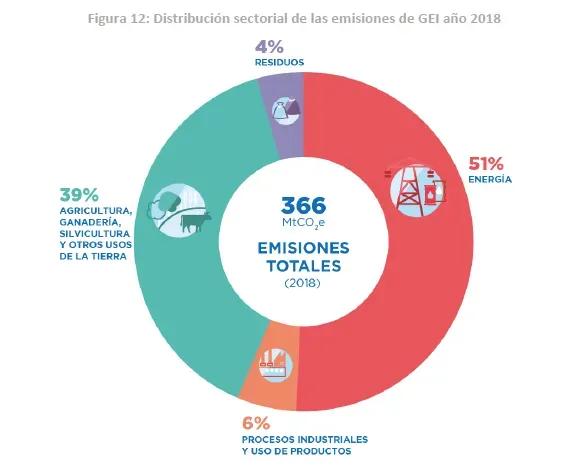
Climate change in Argentina is driven by several factors, including the increase of greenhouse gases (GHG) generated mainly by industrial and agricultural activities. Historically, the expansion of agricultural frontiers without adequate planning has contributed to soil degradation and deforestation. According to the Ministry of Agriculture, Livestock, and Fisheries, around 40% of agricultural lands suffer some type of degradation. This situation not only reduces the productive capacity of the soil but also increases its vulnerability to extreme weather events.
🌍 International Comparison and Global Impact
International experience offers valuable lessons on how to address the challenges of climate change in agriculture. For example, in France, sustainable agricultural policies have been implemented that promote practices such as crop rotation and efficient water use. These strategies have improved the sector's resilience to climate change. In Australia, after facing severe droughts, innovative irrigation technologies were adopted that have significantly improved water efficiency. Data reveals that these initiatives have led to a 15% increase in agricultural yields compared to previous years.
⚠️ Implications and Consequences
The implications of climate change for Argentina are profound. Economically, a substantial decrease in agricultural production could result in million-dollar losses, impacting both producers and consumers. According to estimates from the World Bank, if proper measures are not taken to mitigate these effects, the country could face a 25% reduction in its agricultural production by 2050. This would not only affect rural employment but also increase food prices, exacerbating social issues such as hunger and poverty.
📈 Strategic Perspective and Future Outlook
Looking ahead, it is vital for Argentina to implement a comprehensive strategy to address the effects of climate change on its agriculture. This includes investing in agronomic research to develop crops that are more resilient to extreme weather and promoting sustainable agricultural practices that protect natural resources. It is suggested to establish partnerships with international institutions to access advanced technology and adequate financing. Adapting to climate change is not just an option; it is an urgent necessity if Argentina wishes to maintain its agricultural competitiveness in the long term.
In conclusion, climate change represents one of the greatest challenges for Argentine agriculture. Without decisive and informed actions based on rigorous analysis, the economic and social impacts will increasingly become severe. The implementation of appropriate policies can transform this challenge into an opportunity to build a more sustainable and resilient agricultural sector against future climatic adversities.
Comments