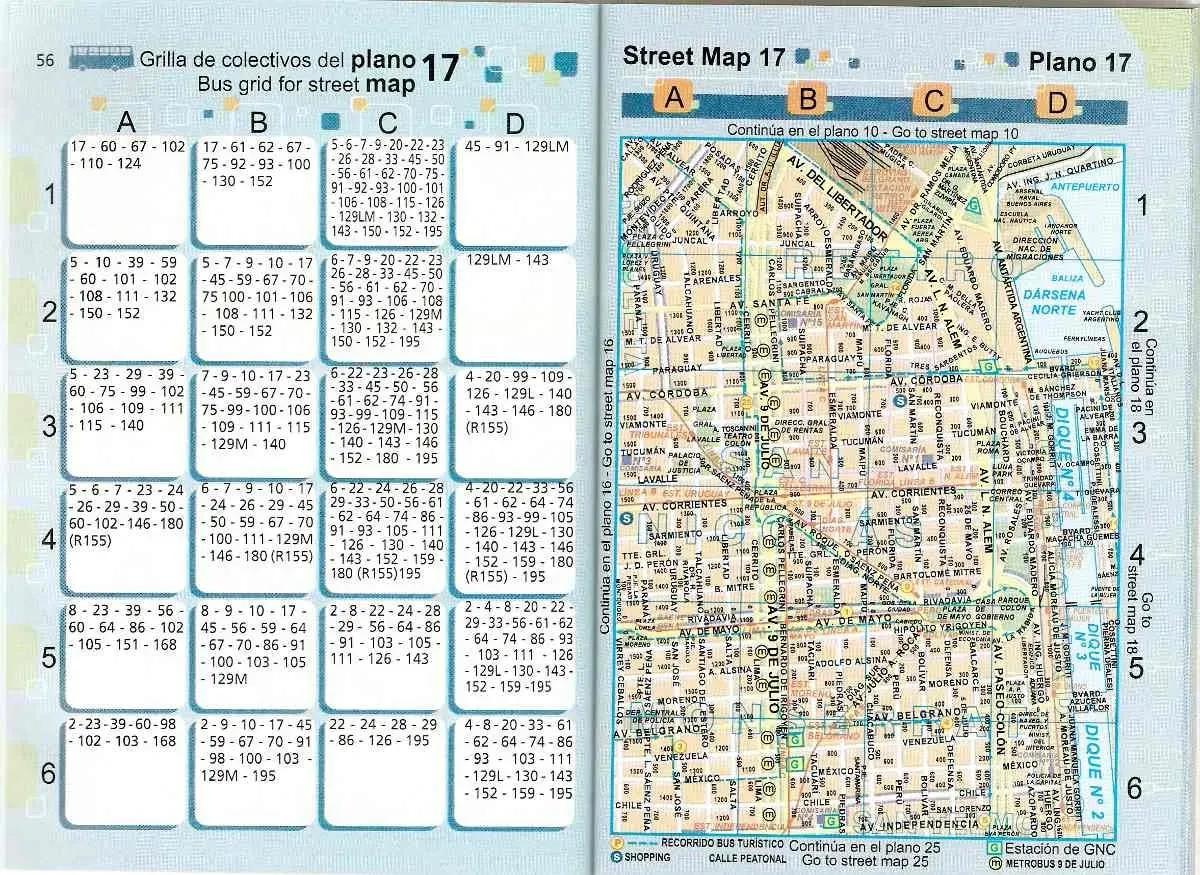
The public transportation system, particularly the bus service in Buenos Aires, is a matter of vital importance for the economy and social welfare of the city. The central question is: how does the operation and efficiency of the buses impact the economic and social life of citizens? This analysis becomes especially relevant in a context where urban mobility is under pressure due to factors such as inflation, rising fuel costs, and economic restrictions. As cities seek sustainable solutions, the case of Buenos Aires offers valuable lessons.
🚍 Current situation and context
According to data from the Government of the City of Buenos Aires, the bus system operates with 28 lines covering more than 90% of the urban territory. However, a recent report from the Public Transport Observatory indicates that approximately 60% of users face issues related to punctuality and service frequency. Additionally, the fare has increased by 300% since 2019, which has had a direct impact on the purchasing power of users. In this context, it is estimated that nearly 1.5 million people depend daily on the bus for their commutes.
🔍 Analysis of causes and factors
The causes behind the current problems in the bus system are multifaceted. Firstly, the economic crisis facing Argentina has led to a significant reduction in public investments aimed at improving transportation infrastructure. According to the Ministry of Transportation, the budget allocated for improvements in public transport has decreased by 40% since 2020. Secondly, constant increases in fuel costs —which have exceeded 150% in the last year— have raised operating expenses for service providers, resulting in lower service quality. Finally, the lack of clear and sustainable policies to promote alternatives to private transport has perpetuated an excessive dependency on the bus.
🌍 International comparison and global impact
Compared to other countries, we can observe how cities like Santiago de Chile have implemented integrated systems that combine different modes of public transport to improve efficiency. For example, Santiago has a system called "Transantiago" that seeks to integrate buses and the metro through flat fares; this has increased its usage by 20% since its implementation. Furthermore, a study conducted by the Inter-American Development Bank (IDB) showed that cities that invest adequately in public transport can see significant reductions in their levels of pollution and vehicular congestion. Such international precedents highlight the critical importance of prioritizing sustainable investments in urban transport.
📉 Implications and consequences
The implications of the current state of the bus system are not minor. The inefficiency of public transport directly impacts labor productivity; studies indicate that an additional hour lost in commute can cost up to $500 million annually to the local economy. Additionally, there are social consequences: a poor transport system can exacerbate socioeconomic inequalities by limiting access to job opportunities for vulnerable sectors. The lack of investment also affects local businesses, as poor connectivity can reduce their ability to attract customers and increase operational costs.
📈 Strategic perspective and future outlook
Looking to the future, it is essential to adopt a comprehensive strategy that considers not only immediate improvements but also a long-term vision for sustainable urban mobility. This includes considering options such as direct fare subsidies for vulnerable sectors or tax incentives for companies investing in more energy-efficient fleets. Moreover, fostering partnerships between the public and private sectors could open new opportunities to modernize existing infrastructure without significantly increasing the tax burden on citizens. Without a doubt, Buenos Aires needs to rethink its approach to public transportation if it wishes to become a more competitive and inclusive city.
In conclusion, improving the bus system is not only necessary for practical reasons but also for its potential positive impact on the local economy and urban quality of life. Inaction could perpetuate negative cycles affecting both citizens and businesses; therefore, it is an urgent time to make informed decisions based on rigorous analysis and successful international experiences.
Comments