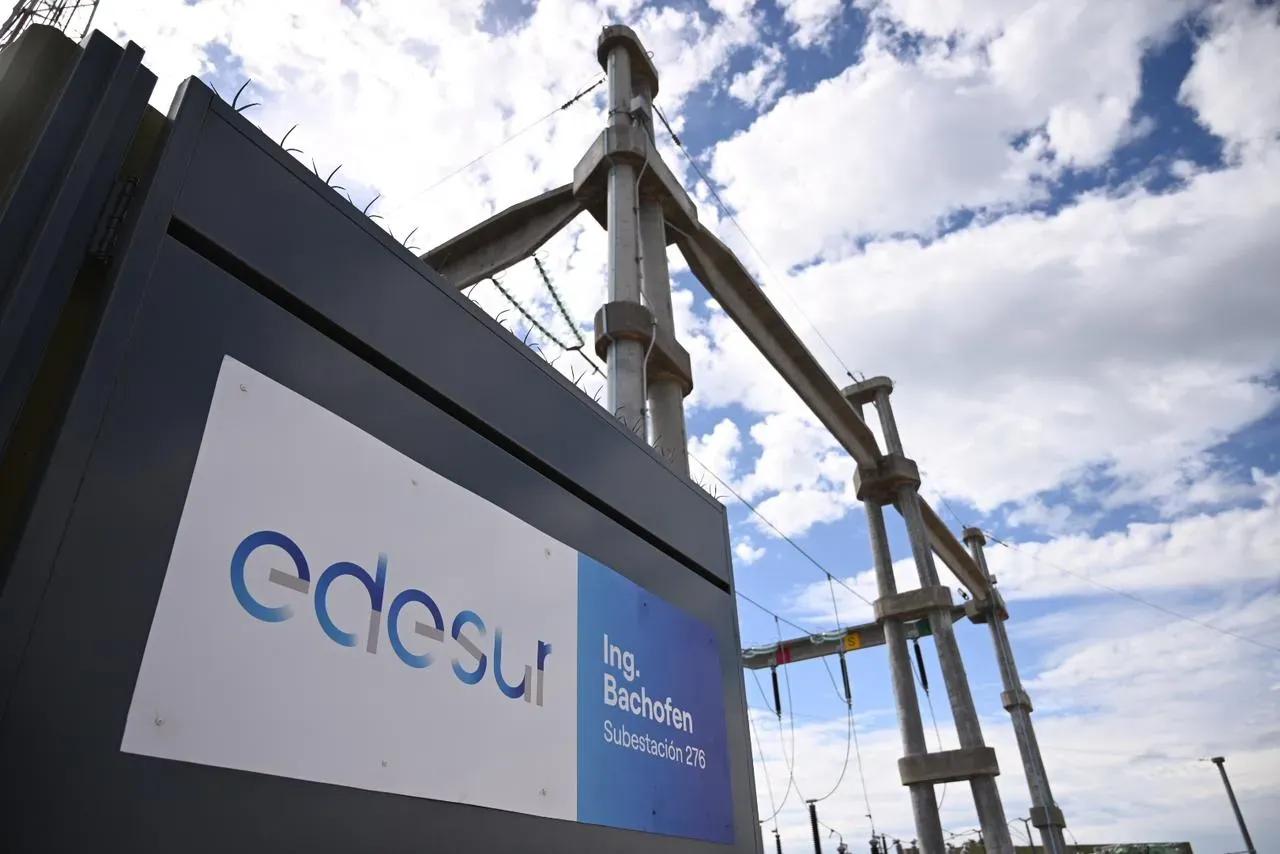
The current situation of Edesur, one of the main electricity distributors in Argentina, raises crucial questions about the sustainability of the energy sector in the context of an economic and social crisis. With a constant increase in consumer complaints due to supply cuts and high tariffs, it is essential to analyze how this company positions itself in the face of growing demand and regulatory challenges. This analysis is especially relevant at the end of the year, where it is expected that energy problems will intensify, affecting both households and businesses.
⚡ Current outlook
Edesur recently reported that more than 10,000 users in Buenos Aires were without electricity supply, while approximately 2.6 million maintained active service. According to data from the National Electricity Regulatory Entity (ENRE), in the last quarter of the year 2023, complaints about supply cuts increased by 35% compared to the same period last year. This scenario is worsened by uncontrolled inflation affecting the company's operating costs; according to the National Institute of Statistics and Censuses (INDEC), annual inflation reached 140%, making it even more challenging for Edesur to make necessary investments in infrastructure.
🔍 Analysis of causes and factors
The energy crisis faced by Edesur is not an isolated phenomenon but the result of multiple interrelated factors. Firstly, the lack of investment in infrastructure over the years has led to a progressive deterioration of the electrical system. Historically, from 2015 to 2022, electricity tariffs were frozen in various segments, limiting the financial capacity to make necessary investments. At the same time, the constant increase in the cost of inputs due to inflation has raised operating costs without a corresponding tariff update. This context creates a negative spiral where the lack of investment leads to more frequent and prolonged outages.
🌍 International comparison and global impact
Analyzing international precedents, it can be observed how countries like Chile have faced similar challenges in their electrical sector. After experiencing energy crises in 2010 and 2014, Chile implemented structural reforms that included regulatory changes and new incentives to attract private investment. According to data from the Chilean Ministry of Energy, these reforms resulted in a 30% decrease in electrical outages over the last five years. In contrast, Argentina has failed to implement significant changes in its regulatory framework, leading to a critical situation where Edesur is trapped between growing social demands and financial constraints.
📉 Implications and consequences
The economic and social implications of Edesur's current state are profound. Energy instability affects not only households but also small and medium-sized enterprises (SMEs) that rely on a reliable electricity supply to operate. According to a study conducted by the Argentine Chamber of Commerce (CAC), 70% of SMEs reported economic losses due to recurrent electrical outages in 2023. This not only negatively impacts local employment but also discourages new foreign investments in the country, perpetuating a vicious cycle that limits economic growth.
🔮 Strategic perspective and future outlook
Looking to the future, Edesur faces significant risks if urgent structural reforms are not implemented. The lack of continuous investment could lead to greater social dissatisfaction and public protests against high tariffs and poor services. To mitigate these risks, it is imperative to establish a constructive dialogue between the Argentine government and Edesur to find sustainable solutions that include incentives to improve electrical infrastructure. The implementation of effective policies could not only stabilize the electricity supply but also reactivate necessary investments to modernize the national energy system.
In conclusion, as Argentina navigates its current economic crisis, it is essential to proactively address the energy issues associated with Edesur to ensure a more sustainable and inclusive future for all its citizens.
Comments