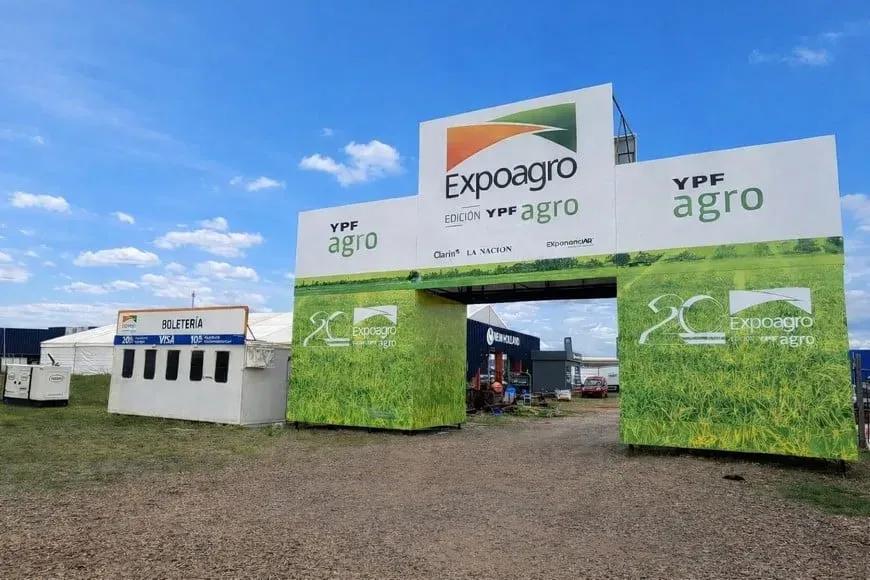
The realization of Expoagro 2026, which will take place from March 10 to 13 in San Nicolás, stands as a crucial event for the Argentine agro-industrial sector. In a context where the national economy faces significant challenges, such as inflation and lack of investment, the question arises: what implications will this event have for the future of agriculture in Argentina? This analysis seeks to explore not only the opportunities presented by Expoagro but also the inherent challenges that could limit its positive impact.
🌾 Current Overview
The Argentine agro-industrial sector represents approximately 25% of the Gross Domestic Product (GDP) and is responsible for 60% of the country's exports. According to data from the Ministry of Agriculture, Livestock, and Fisheries, in 2022, agro-export revenues reached 45 billion dollars, underscoring the strategic importance of this sector for the national economy. However, the current situation is marked by high inflation exceeding 100% annually, which affects both producers and consumers. In this context, Expoagro presents itself as a vital platform to foster dialogue among key players and explore new technologies and innovations that could enhance the sector's competitiveness.
🌍 International Comparison
Compared to other agro-industrial producing countries, Argentina faces unique challenges. For instance, Brazil has implemented effective policies to attract foreign investments in its agricultural sector, achieving steady growth in its exports. In 2021, Brazil exported agricultural products worth approximately 100 billion dollars, nearly double that of Argentina. Meanwhile, Chile has diversified its export offerings through free trade agreements that have allowed it to access new markets. The Chilean experience highlights the importance of establishing strategic agreements and international alliances to expand trade opportunities.
📈 Implications
The implications of Expoagro are significant both economically and socially. Economically, showcasing new technologies and sustainable practices can contribute to increasing agricultural productivity and reducing operating costs. However, for this to materialize, it is essential to have a clear and stable regulatory framework that incentivizes investment in innovation. Socially, strengthening the agro-industrial sector could generate employment in rural areas, where unemployment reaches alarming figures; according to INDEC data, rural unemployment rates exceed 10% in some provinces.
🔍 Analysis of Causes and Factors
The realization of Expoagro in an inflationary context raises questions about its real effectiveness. The underlying causes include an inconsistent fiscal policy and a lack of trust in government institutions. Recent history shows that similar events have not always led to lasting structural changes; for example, during Expoagro 2019, technological innovations were presented without effective follow-up by the state or the involved companies. This raises the urgent need to establish a post-event strategic plan that ensures the effective implementation of the ideas and innovations presented.
🚀 Strategic Perspective and Future Outlook
Looking ahead, the success of Expoagro will depend not only on the presentations made during the event but also on the ongoing commitment from the government and private actors to implement policies that promote investment and sustainable development in the agro-industrial sector. The risks are evident: if current structural issues, such as chronic inflation and political instability, are not adequately addressed, Argentina could lose its competitive position against other producing countries. The opportunities are equally clear: with a well-defined strategic focus and effective collaborations between the public and private sectors, Argentina can not only regain lost ground but also position itself as a leader in agro-industrial innovation in Latin America.
This analysis of Expoagro 2026 highlights both the opportunities and challenges Argentina faces on its path towards sustainable and competitive agro-industrial development. The key will be how these opportunities are translated into concrete actions after the event.
Comments