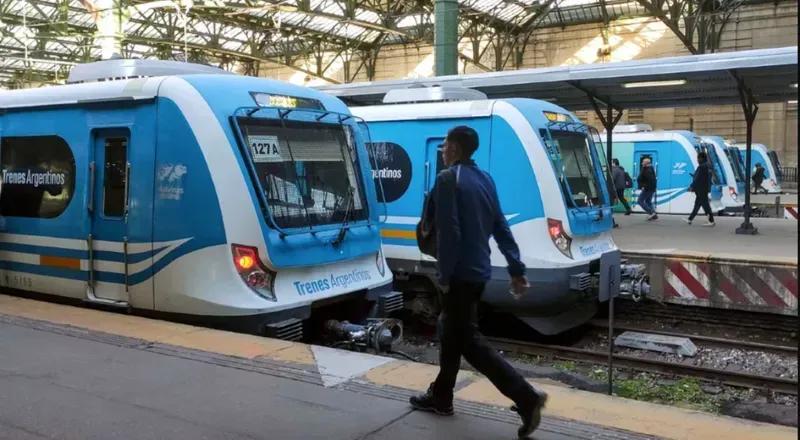
The recent total train stoppage in Argentina, announced by the union La Fraternidad, has revealed a series of underlying tensions in the national railway system. This cessation of activities is not an isolated phenomenon, but rather fits into a broader context of labor conflicts and structural issues in transportation. The central question is: what are the economic causes and consequences of this stoppage? This analysis seeks to unravel the factors behind the strike, its implications for the Argentine economy, and the lessons that can be learned from international precedents.
🚆 Current Situation and Context
The train strike, set to last for 24 hours, affects various lines that connect key regions of the country. According to data from the Ministry of Transport, the Argentine railway system transports approximately 30 million passengers a year, being a crucial alternative for urban and regional mobility. However, the lack of adequate investment in infrastructure has led to a significant deterioration of the service. In 2022, the budget allocated for transportation was 20% lower than in 2021, reflecting a worrying trend in the allocation of public resources. Moreover, the accumulated inflation in recent years has eroded the purchasing power of railway workers, exacerbating labor tensions.
🔍 Analysis of Causes and Factors
The strike originates mainly from wage demands in the face of uncontrolled inflation, which reached over 100% year-on-year according to INDEC. This excessive increase directly affects the real income of sector workers. On the other hand, the lack of effective dialogue between unions and the government contributes to a tense work environment. Historically, Argentina has faced recurrent crises in its railway system; for instance, during the 1990s, many lines were privatized without ensuring adequate regulation. This left the sector vulnerable to strikes and recurring labor conflicts. Thus, the roots of the current conflict are intertwined with past political decisions and poor management.
🌍 International Comparison and Global Impact
In comparison to countries like Chile or Brazil, where railway systems have been modernized with significant investments in infrastructure and technology, Argentina appears stagnant. For example, Brazil invested over 20 billion dollars in its railway network between 2015 and 2020 to improve transportation efficiency and safety. In contrast, Argentina has seen its public investment in this critical sector decline. The lessons are clear: without a proactive approach to modernizing and maintaining the railway system, Argentina risks not only losing economic competitiveness but also increasing social inequality.
⚖️ Implications and Consequences
The consequences of the stoppage are multiple and impact both economically and socially. From an economic perspective, each day without trains leads to significant losses for companies that depend on transportation to move goods; it is estimated that there could be losses close to 300 million pesos daily just from the partial cessation of service. Socially, this type of stoppage disproportionately affects vulnerable sectors that rely on the train as their main means of transportation; thus, the already critical situation faced by many Argentine families is aggravated by rising inflation.
📈 Strategic Perspective and Future Outlook
Looking ahead, it is crucial to adopt a strategic approach to address the structural deficiencies of the Argentine railway system. Investment in infrastructure should be prioritized; additionally, establishing a robust regulatory framework could facilitate better public-private management in the sector. The risks are evident: if consensus is not achieved between key actors such as unions and the government on fair wages and decent working conditions, it is likely that strikes will become a disruptive constant for the Argentine economy. In this uncertain context, fostering constructive dialogue could be key to avoiding future crises.
In conclusion, the total train stoppage reflects not only immediate wage demands but also a deep symptom of structural problems within the Argentine railway system. Significant change will require not only political will but also a genuine commitment to sustainable investments that improve both service quality and working conditions within the sector. Without strong institutions and effective dialogue, there is no trust; without trust, there is no investment or sustainable development possible for Argentina.
Comments