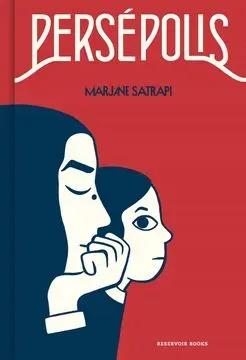
Last Thursday, June 4th, the news of the death of Marjane Satrapi, Iranian cartoonist and writer, was confirmed. Her masterpiece, Persepolis, became a key document on the resistance of women against the autocratic oppression that women suffer at the hands of the regime of the ayatollahs in Iran.
Titled after the capital of the Ancient Persian Empire, which was destroyed by fire at the hands of Alexander the Great, Persepolis tells the story of Marjane - the author - a girl like any other, who attends a French school and enjoys Western cinema. Her parents are leftist activists and oppose the Shah, the monarch who ruled Iran with an iron fist. Despite her family's ties to the nobility, Marjane must witness the murder and torture of her favorite uncle at the hands of the Shah's monarchical dictatorship.
By 1978, a wave of demonstrations spread throughout the country. The excesses and arrogance of the Shah - who lived in luxury while his people sank into misery - had worn out the patience of the Iranians. As a result of these protests, a Revolution emerged, which initially sought to restore dignity to the people but ultimately established a theocratic regime that still stands today.
For young Marjane, the changes quickly become visible. She must wear a veil at school, and the teachers begin to suppress her opposing comments about the government. Her mother fears for her life - the repression inflicted on dissenting women is much more cruel than that suffered by men - and decides to send her to Vienna.
There, Marjane experiences freedom and discrimination, counterculture, and the humiliation from her peers because of her nationality. Tired of being treated with arrogance and disdain, Marjane returns to her country to pursue her university studies. However, despite the joy of being able to access higher education, the now young Marjane must endure the patriarchal restrictions imposed by the theocratic regime. Not knowing where to go, she decides to return to France, where she remained until her death.
Persepolis is a fundamental work that addresses many relevant topics for 21st-century society: self-identity, staying true to oneself, and the struggle for one's ideals.
As Iran's future is debated between the theocracy and foreign interference, Persepolis reminds us of the struggle of a generation of secular and revolutionary leftist activists who gave their lives to build a just and democratic Iran for all its inhabitants.

Comments