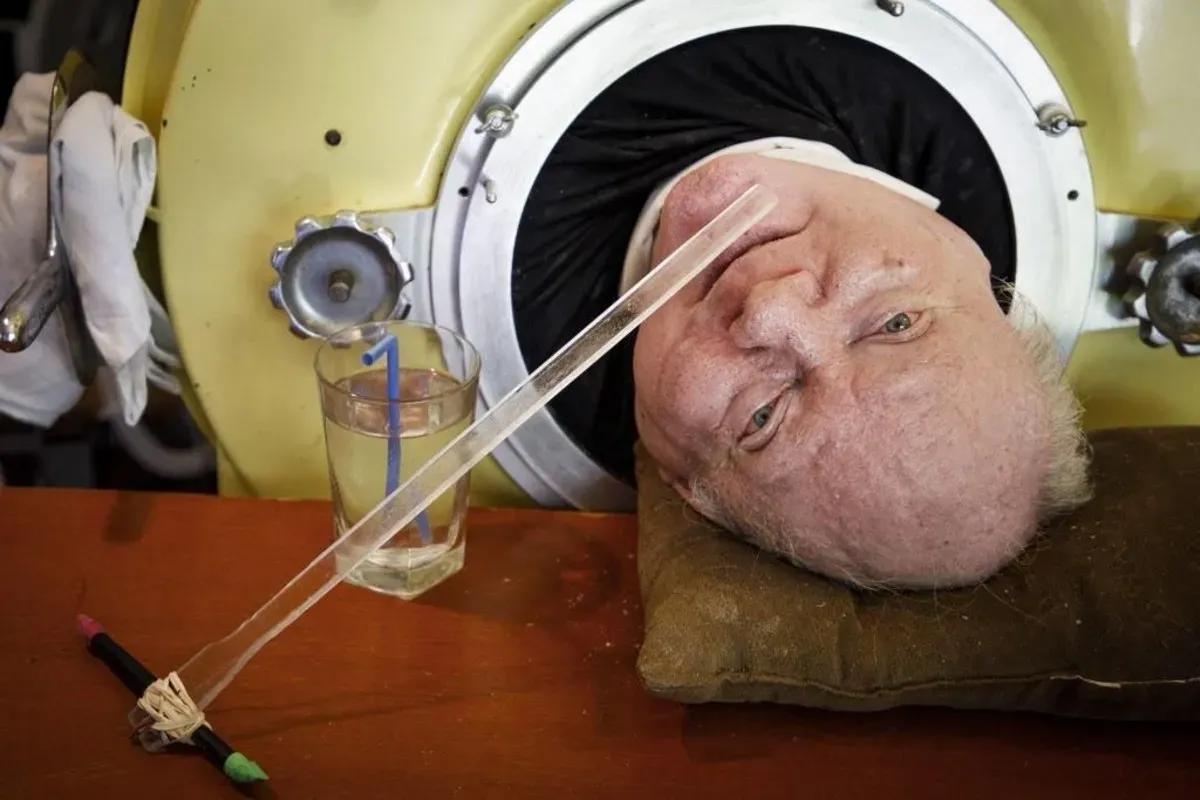
The medical revolution is advancing by leaps and bounds, and one of the most impressive milestones is the development of the artificial lung. This device has marked a turning point in the care of critically ill patients, allowing for the oxygenation of the body without the need for functional lungs. But why is this advance so relevant in the current context? The COVID-19 pandemic has highlighted the fragility of our respiratory systems, making technologies like this more necessary than ever. In this article, we will explore its current situation, causes, international comparisons, and the impact it has on public health.
🌍 Current Situation and Context
Artificial lungs have significantly evolved in recent decades. According to a study published in *The New England Journal of Medicine*, 80% of patients treated with life support devices survived critical respiratory illnesses. In the United States, the use of these devices has increased by 30% since 2020, reflecting a growing dependence on medical technology during health crises. However, their implementation is not without controversy; some specialists warn of the associated risks and the high costs of these treatments, which can exceed $200,000 per patient.
🔬 Analysis of Causes and Factors
The urgent need for artificial lungs is due to several interrelated factors. First, the increase in chronic respiratory diseases such as COPD (Chronic Obstructive Pulmonary Disease) and asthma is leading to a higher number of hospitalizations. According to the World Health Organization (WHO), more than 300 million people suffer from asthma, which represents a significant burden on health care systems. Additionally, the COVID-19 pandemic highlighted deficiencies in our capacity to treat acute respiratory failures. The historical context also plays a role; during the SARS epidemic in 2003, significant efforts were made to improve respiratory technologies that today are reflected in these advanced devices.
🌐 International Comparison and Global Impact
Compared to other countries, the United States leads in the development and implementation of artificial lungs. In Germany, for example, a survival rate of 70% was recorded with similar technologies during the treatment of COVID-19. Historically, countries like Japan have been at the forefront with innovative surgical technologies; however, their healthcare system faces economic challenges that limit access to these advancements. In Brazil, although significant efforts have been made to implement these technologies, there is still a critical lack of resources that limits their availability to a small percentage of the population. This international comparison reveals not only technological advances but also inequalities in access to vital treatments.
💔 Implications and Consequences
The economic and social impact of the artificial lung is profound. At the individual level, patients receiving this type of treatment have a significant chance of surviving potentially deadly illnesses; however, this also raises ethical questions about who has access to these expensive technologies. In Argentina, for example, where budget restrictions are common in the health sector, only a small privileged group can benefit from these medical advancements. According to data from the Argentine Ministry of Health, deaths from respiratory diseases have increased by 15% since 2020 due to limited access to advanced treatments.
🔮 Strategic Perspective and Future Outlook
Looking ahead, the future of the artificial lung seems promising yet filled with challenges. Technology is expected to continue evolving toward more accessible and efficient devices; however, this will depend heavily on government funding and private investments. Opportunities also lie in international partnerships to share knowledge and technology between developed and developing countries. As we face new viral outbreaks and chronic diseases become more prevalent globally, investing in medical innovation is crucial not only to save lives but also to strengthen our economies.
In conclusion, as we delve deeper into this technological era where the human element intertwines with the artificial, we must always remember that behind every advancement are human stories that deserve to be told and addressed. Technology does not replace the human; it amplifies it if we know how to use it properly. 💖

Comments