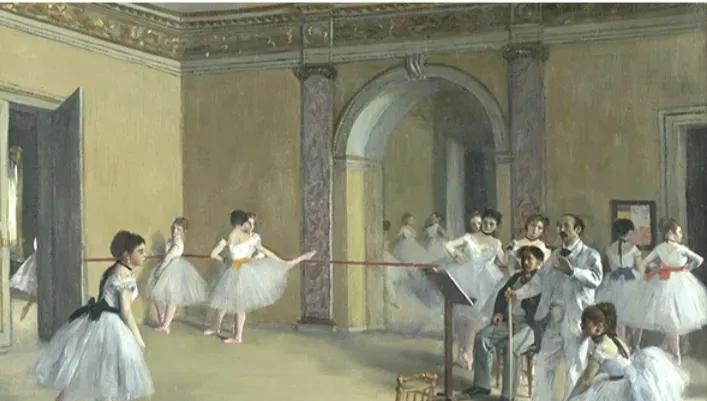
Originating in the midst of the great royal courts of Renaissance Florence, ballet has always been associated with the brilliance of European royalty. It was Louis XIV—known as the Sun King—who fell in love with ballet and promoted it as an art of renown and prestige. Thanks to his innovations in the world of dance, he helped lay the foundations for the classical dance we know today. His legacy remains present even today in the Paris Opera, the oldest and most prestigious ballet company in the world.
12 years after the death of the Sun King, Georges Noverre was born, precisely on April 29th. Imbued by an art in the midst of formation, Noverre structured and shaped modern ballet. His birth gives meaning and significance to the date chosen to celebrate International Dance Day.
In its early days, almost all roles for dancers were performed by men. It wasn’t until the 19th century that ballerinas gained the prominence they enjoy today. Maria Taglioni, daughter of the renowned choreographer Filippo Taglioni, made history in ballet by introducing two key elements: pointe shoes and the romantic tutu.
If France and Italy witnessed the birth of ballet in their courts, it was Russia that perfected it and imbued it with the fame it holds today. Marius Petipa, a Russian choreographer, brought to life the triad of the most emblematic ballets of the present: Swan Lake, The Sleeping Beauty, and The Nutcracker.
Despite its antiquity, classical ballet remains relevant in a modern society that seeks in dance the possibility of enjoying an incredible show full of magic, which holds centuries of history in its inte
rior.

Comments