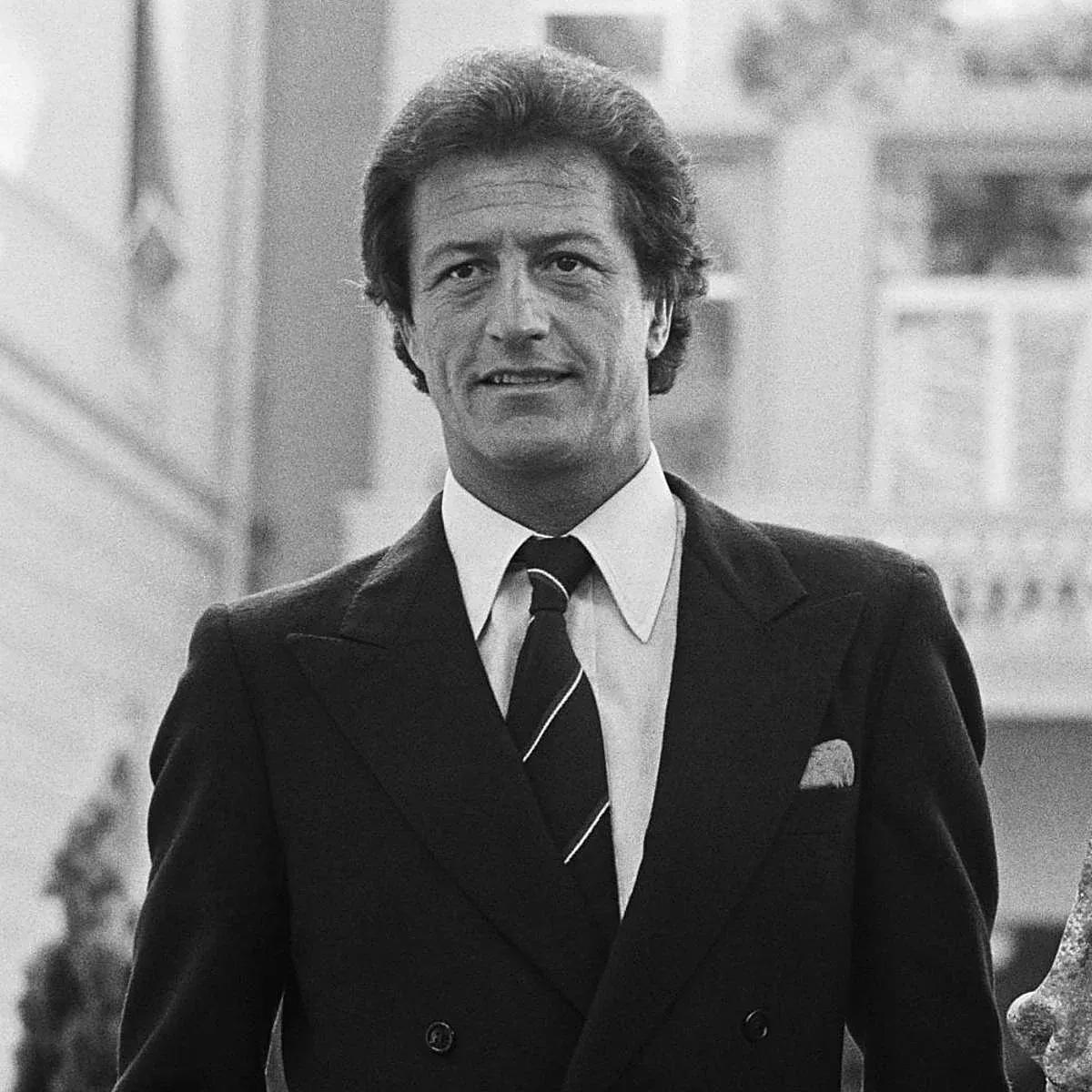
Philippe Junot, a name that resonates in the realms of glamour and aristocracy, has left a deep mark not only in social circles but also in the perception of personal relationships within the context of high society. His life, marked by romances with figures such as Carolina of Monaco and his bohemian lifestyle, raises questions about the real impact these personalities have on contemporary popular culture. What lessons can we draw from his story? Is his legacy merely superficial, or does it have deeper implications for how we understand status and fame today?
🌍 Current landscape
In recent days, the news of Philippe Junot's passing at the age of 85 has resonated across various media, highlighting not only his personal life but also his cultural influence. Born in Paris in 1940, Junot was a bon vivant who became an icon of the European jet set. His relationship with Carolina of Monaco, which took place in the late 1970s, captured worldwide attention and symbolized an era where the boundaries between glamour and the everyday blurred. According to recent reports, his ostentatious lifestyle and connections to royalty have been the subject of sociocultural analyses that reveal how these figures shape perceptions of love, status, and success.
🔍 International comparison
The phenomenon of public personalities transcending their immediate sphere is not exclusive to Junot. In the United States, figures like Paris Hilton and Kim Kardashian have used their fame to build business empires. According to a study by the Pew Research Center, approximately 60% of young Americans consider these individuals as role models. Unlike Junot, those who have capitalized on their contemporary notoriety usually do so through social media and digital platforms. This contrast between generations reveals how the concept of celebrity has evolved; while Junot relied on physical glamour and social events to sustain his public image, current figures utilize digital tools to maintain relevance.
📈 Implications
The cultural impact of Philippe Junot goes beyond his romances; it offers a window into how society values status and personal relationships. In a context where 75% of young people believe that success is tied to material wealth (according to a report from the National Institute of Statistics), it is essential to question what messages we are perpetuating about love and interpersonal relationships. Stories like Junot's can reinforce harmful stereotypes about what it means to "succeed" in life; however, they can also serve as a critique of the consumerism and superficiality that often accompany status.
📊 Historical context
Historically, figures like Philippe Junot have existed in all cultures; from European aristocrats to the stars of American golden age cinema. In this sense, we can see parallels with historical figures such as Gianni Agnelli or even Grace Kelly, who also lived under the public eye but were able to use their fame to make significant contributions to their respective societies. However, as we move toward a more digitized and interconnected era, it becomes evident that the way these stories are told —and consumed— has radically changed.
🔮 Strategic perspective and future outlook
The legacy of Philippe Junot invites us to reflect on how we define success and what values we promote as a society. As we navigate an increasingly social media-influenced world with idealized images, it is crucial to foster a dialogue about what it truly means to be successful or loved. Junot's story may appear superficial at first; however, if we delve deeper, we can find valuable lessons about authenticity and genuine human connection.
In conclusion, as we remember Philippe Junot as an emblematic figure of European glamour, it is essential to consider how his story intertwines with broader themes of social status and human relationships. Fame may be ephemeral, but the lessons learned about what truly matters —authenticity and meaningful connections— are eternal.
Comments