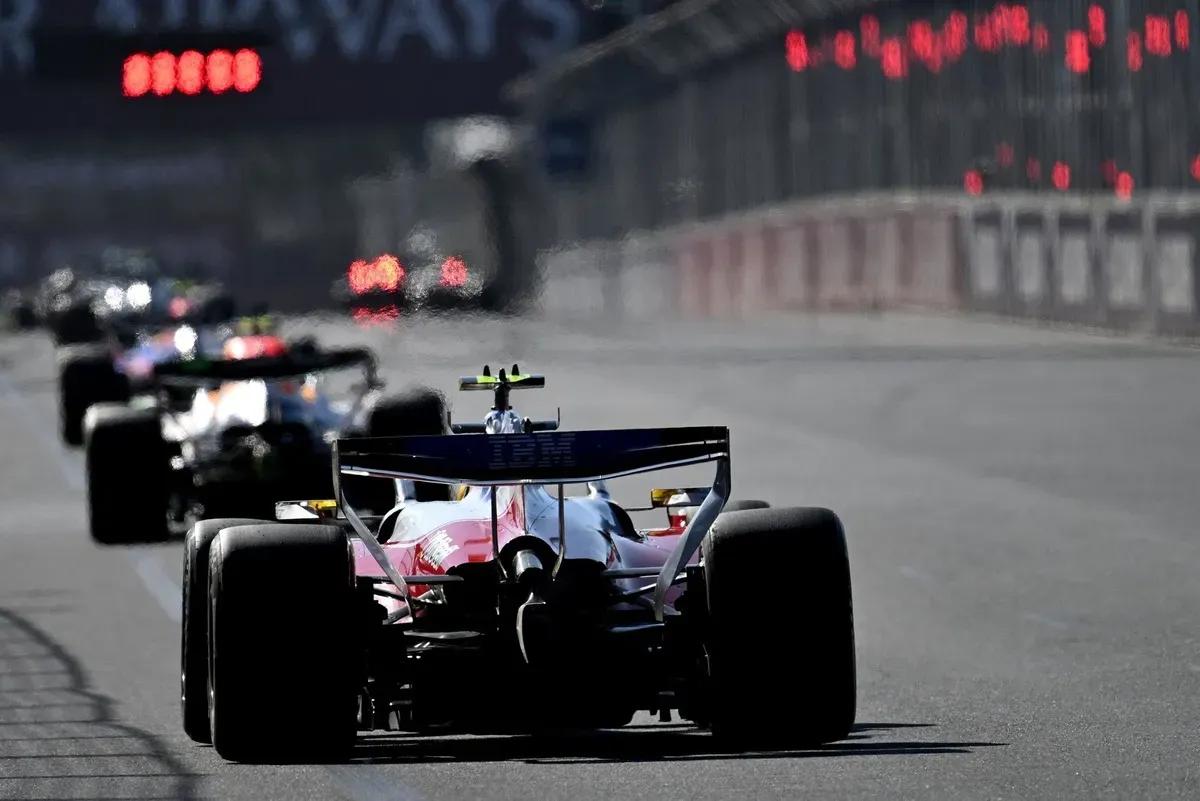
The Formula 1 (F1) qualifying is not just a sporting event; it is a reflection of the complexity of modern motorsport, where technology, strategy, and human skills intertwine. The recent qualifying for the 2026 Australian Grand Prix has highlighted not only the skills of the drivers but also the financial and technological dynamics that govern the sport. Why is this aspect relevant in the current context? The answer lies in how these events impact not only teams and drivers but also the automotive industry and global entertainment.
🏎️ Current Landscape
In the current context of F1, the impact of qualifying goes beyond simple positioning on the starting grid. According to recent data, television rights revenue has increased by 30% since 2020, reflecting a growing global interest in the sport. Moreover, with the implementation of the budget cap since 2021, there has been a significant reduction in team spending; for example, the average team budget is now estimated to be 145 million dollars annually. This change has allowed teams like Aston Martin and Haas to compete closer to giants like Mercedes and Red Bull. However, this new paradigm also poses challenges regarding how qualifying strategies affect competitive dynamics.
🌍 International Comparison
The qualifying structure in F1 can be compared to other international motorsport events such as NASCAR or Formula E. In NASCAR, for example, qualifying is based on previous races that generate points to determine the starting order; this approach allows for greater inclusion of teams with fewer resources. On the other hand, in Formula E—an all-electric category—innovative systems have been implemented that allow drivers to gain additional energy during races depending on their qualifying performance. These examples demonstrate that there are multiple ways to approach competitiveness and how each model has its own economic and strategic implications.
📈 Implications
The economic implications of the qualifying system are significant. Firstly, they directly affect the strategic investment decisions of sponsors. A team that qualifies well is more likely to attract large advertising contracts; according to a study conducted by Deloitte, a leading team can expect revenues exceeding 50 million annually just from sponsorship. Furthermore, decisions related to technological development are deeply influenced by performance in these qualifications; a poor result can lead to budget cuts or drastic changes in technical personnel.
🔍 Future Strategies
Looking ahead, it is crucial to consider how the strategies adopted during qualifying will affect not only immediate performance but also the future of the sport. Teams like Ferrari and McLaren are heavily investing in advanced simulations to optimize their real-time performance during qualifying sessions. This approach could be replicated by other teams to improve their competitiveness. Additionally, there is a growing debate about whether further changes should be implemented to the current format to more evenly balance the competitive field between large and small teams.
🔮 Conclusion
Qualifying in F1 is a microcosm of the current state of motorsport: a complex mix where advanced technology and human strategy meet under constant pressure to stand out. As we move towards future championships, understanding these dynamics will be essential not only for those directly involved in the sport but also for those watching how these decisions impact broader industries. With increasing attention toward sustainability and technological innovation within motorsport, it will be interesting to see how this fundamental aspect of the sport evolves.
Comments