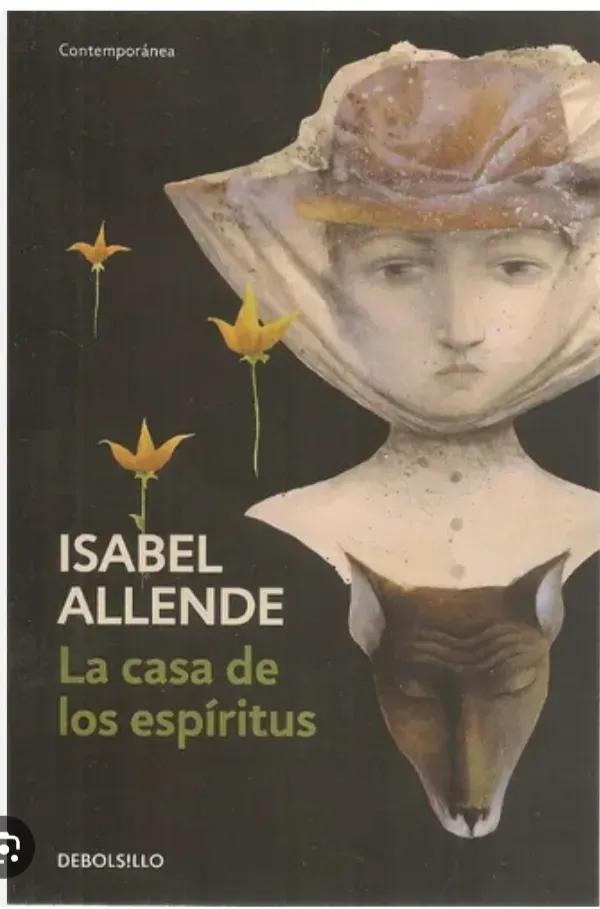
When her sister Rosa died, Clara married her boyfriend Esteban Trueba, a violent and misogynistic man with whom she had three children. From Trueba's insistence on prohibiting his daughter Blanca from marrying the man she loved, to the violent beating that broke his wife's teeth, Esteban Trueba always made it clear the cruelty with which he treated the women in his family.
Through three generations - Clara, her daughter Blanca, and her granddaughter Alba - The House of the Spirits masterfully narrates the difficulties, fears, and injustices that women in Latin America must endure. In a country with a tumultuous history like Chile, political and social changes - the democratization of the country and the election of Salvador Allende as President of the Republic - the women of the Trueba family, as well as the other female characters in the novel, become protagonists of a country's destiny - and a region - that has always tried to relegate them to a secondary role, far from the significant decisions that changed history.
The bodies of women, as well as their dreams and aspirations, are violated not only by the men in their family but also by a political and social system that seeks to silence them.
Revisiting The House of the Spirits, as well as the entire work of Isabel Allende, is essential to build a feminism from and for Latin American women.

Comments