February 7, 1985, is a day that will remain etched in my memory forever, regardless of how many years pass.
It was a day that profoundly transformed the dynamics of the war on drugs in Mexico, and a day that irreversibly changed the course of my own life.
Until then, my future seemed clear. I was in my final year of university, about to achieve my goal of becoming an English teacher. The path was stable, predictable, and honorable. I was very close to reaching it.
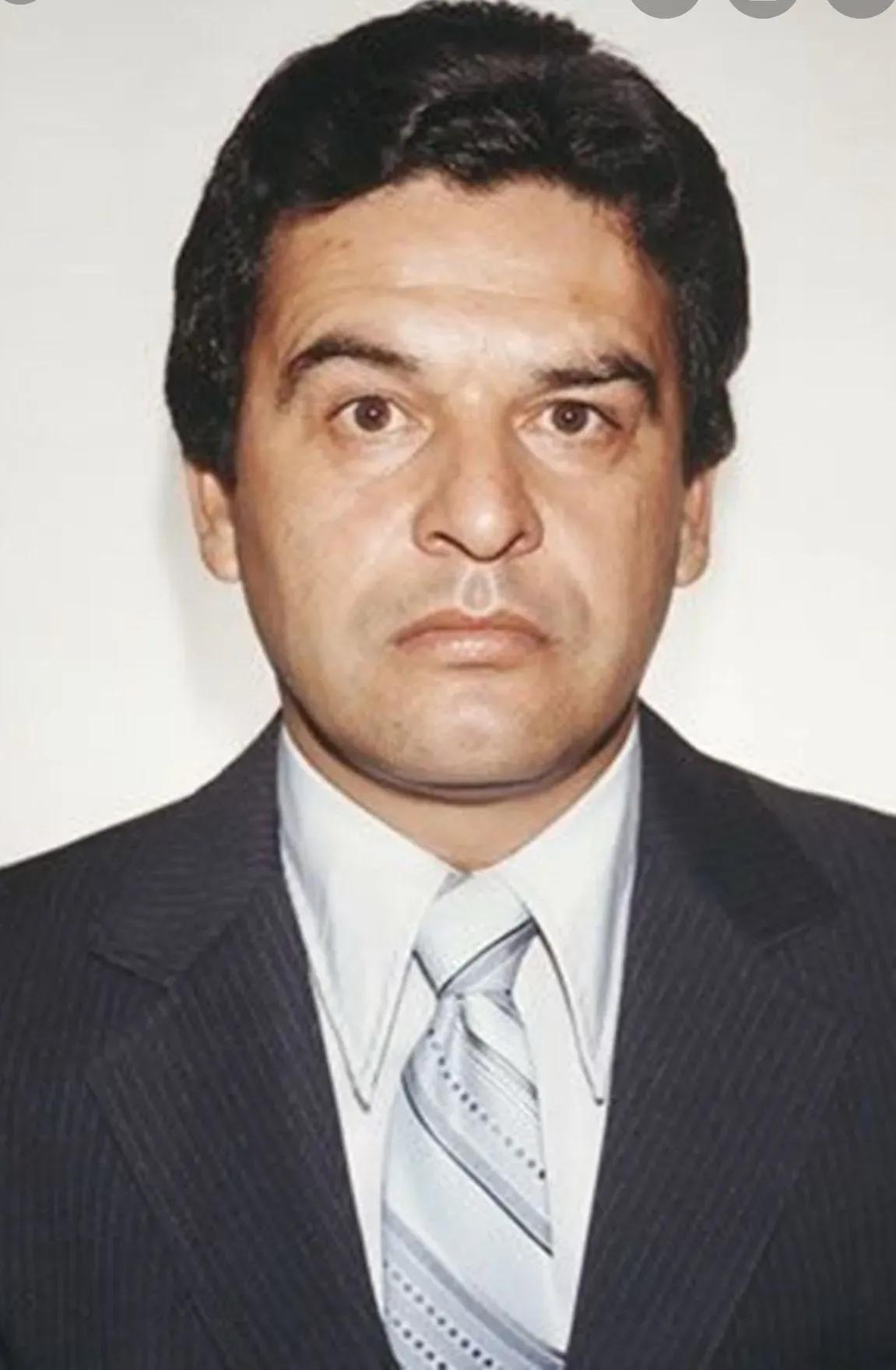
Then came the news of the kidnapping of Enrique Camarena in Guadalajara.
I remember with absolute clarity where I was when I learned of it. I remember the weight of that moment, not as a headline, but as something intimately disturbing. An American federal agent kidnapped in broad daylight. The implications were unmistakable. Lines had been crossed. The rules had changed.
Camarena was not a symbol when he was kidnapped. He was a husband, a father, and a colleague. An agent doing what agents do every day: fulfilling his duty, gathering intelligence, and facing criminal organizations that thrive on fear and corruption.
His kidnapping was not just an act of brutality. It was an open challenge to the rule of law.
That day forced deep reflection.
The kidnapping and murder of Camarena destroyed any illusion that there were limits that criminal organizations would respect. It marked the beginning of a new phase, defined by intimidation, violence, and a deliberate attack on those who represented justice.
For me, it was also a turning point.
Almost immediately, the plans I had carefully laid out began to seem insufficient. Teaching literature felt distant against the urgency of what was happening. I felt a call, not toward adventure or heroism, but toward responsibility. Toward service. Toward standing with those willing to confront what others preferred to ignore.
I made a decision that even surprised me.
I would pursue a career in the Drug Enforcement Administration.
There were no dramatic announcements or grand declarations. No doubts. Once the decision was made, I never looked back.
That day also changed how the world perceived the DEA.
Until February 7, 1985, the agency operated largely in the shadows. Our work was quiet, meticulous, and mostly invisible to the public. That invisibility ended the moment Enrique Camarena was kidnapped.
What followed was extraordinary.
The show of support—from all federal agencies and from the President of the United States, Ronald Reagan—was unprecedented and global in scope. It was not limited to Washington or even the United States. It resonated around the world.
It is fair to say that after that day, there was not a single person in the world who did not know what the DEA was or at least knew that it existed.
But that recognition came at an unbearable cost.
Many years after joining the DEA, I was also assigned to Guadalajara.
I walked the same streets that Camarena once walked. Every day I passed the exact spot where he was kidnapped. On difficult days—sometimes overwhelming—I would deliberately walk by that point. Not out of morbid curiosity, but as a silent reminder. A moment of shared reflection, even if unvoiced, by many of us who served after him.
It reminded me why we were there.
No matter how tough a day was, I would repeat a simple truth to myself: I could not afford to be defeated by a single bad day. At least I still had a day. He no longer did.
I could return home to my family. He could not.
That reality sustained me, not only in Guadalajara but throughout my entire career, especially during my time in Monterrey, where the challenges were constant and the stakes relentless. When determination wavered, memory restored it.
For the DEA, February 7 is not a day of visibility or institutional recognition. It is a day of mourning. A day of memory.
Every year, on this date, I take a moment to pray for the soul of Enrique Camarena, for the well-being of his family, and to give thanks for the ultimate sacrifice he made in service of something greater than himself.
Enrique Camarena is not remembered as a statistic or a file. He is remembered as a fallen brother. As a symbol of duty, sacrifice, and steadfastness.
February 7, 1985, not only transformed policies and operations in the war on drugs. It transformed lives, including mine. And decades later, its echo remains.
This is a day of mourning.
A day of memory.
A day to honor our eternal hero.
None of us who carried the badge will ever forget this day.
Author's Note
This reflection is written in memory.
February 7 is a day of mourning within the Drug Enforcement Administration (DEA), a date dedicated to honoring the life and sacrifice of Special Agent Enrique “Kiki” Camarena. For those of us who served, his kidnapping and murder were not abstract events or distant history; they marked careers, transformed institutions, and left a lasting imprint on our sense of duty.
This essay is not intended to be an analysis, an accusation, or a personal testimony. It is offered simply as an act of memory—shared in silence and with respect—for a fallen comrade whose sacrifice continues to resonate decades later.
On this day, we remember.
Leo Silva is a former Special Agent in charge of the DEA (Monterrey Office) and the author of Reign of Terror and El Reinado de Terror. With decades of experience on the front lines of the fight against transnational cartels, Silva offers readers an intimate look at some of the most dangerous operations directed against high-level leaders and organizations.
Since publishing his memoirs, Silva has become a recognized voice in the media and speaking circuit. His story and analysis have been featured in interviews with Pulitzer Prize-winning journalist Jorge Ramos on Univision (Así veo las cosas), three-time Emmy-winning journalist Paco Cobos (La Entrevista), and Ana Paulina (Voces con Ana Paulina), where his participation generated millions of views. He has also been invited on prominent platforms such as the podcast Cops and Writers with Patrick J. O’Donnell, Game of Crimes with Steve Murphy, and Llamados a Servir with Roberto Hernández.
Through his books, lectures, and media appearances, Silva continues to illuminate the realities of organized crime, the work of law enforcement, and the human cost of the war on drugs while sharing lessons of resilience, leadership, and truth.

Comments