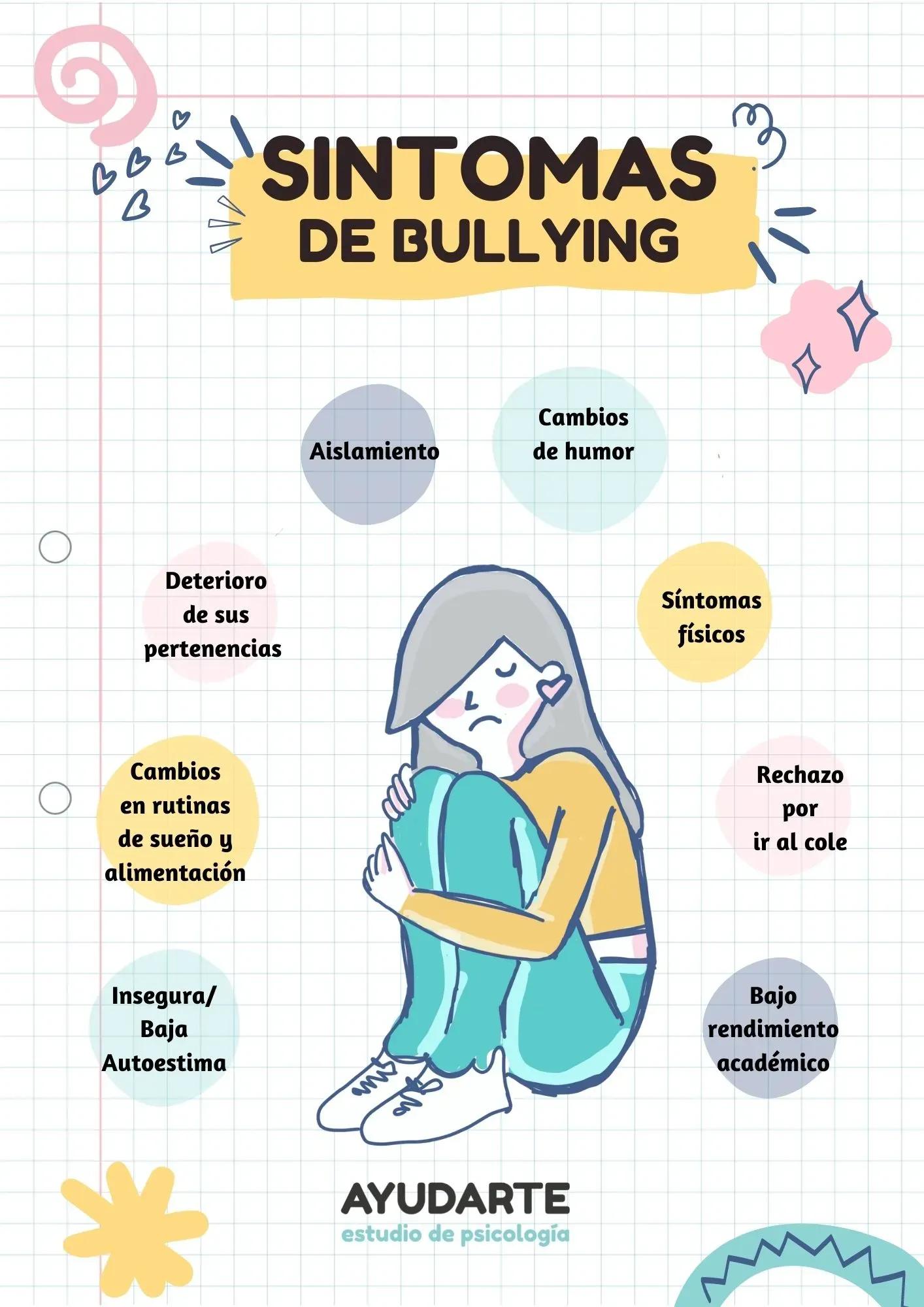
Bullying, that term that resonates more and more strongly in the hallways of schools and on social media, is a phenomenon that transcends simple peer interaction. Why is it still such a relevant and painful topic in our current society? This analysis seeks to unravel the impact of bullying on young people, its deep causes, and how the situation in Argentina compares with that of other countries. In a world where empathy should be the guiding thread, it is crucial to understand the ramifications of this destructive behavior.
Current situation and context
According to the Ministry of Education of Argentina, it is estimated that approximately 6 out of 10 students have been victims of bullying at some point in their school life. This alarming data reflects a reality that not only affects the young people involved but also their families and the educational environment in general. Globally, a study conducted by the World Health Organization (WHO) indicates that 20% of adolescents worldwide have experienced school bullying. In the Argentinian context, this problem has been exacerbated by factors such as the pandemic, which increased the use of digital platforms and, with it, cyberbullying. The lack of adequate intervention by educational institutions and families contributes to perpetuating this cycle.
Analysis of causes and factors
Bullying does not arise by magic; it has deep roots intertwined with social, cultural, and psychological factors. Among the main causes are the lack of socio-emotional skills in young people, such as empathy and peaceful conflict resolution. According to a study by the National Center for Bullying Studies, 70% of aggressors come from family environments where there is violence or emotional disinterest. Moreover, the cultural context also plays a crucial role: societies that normalize aggressive or competitive behaviors tend to have higher rates of bullying. Emotional education must be a priority to break this vicious cycle.
International comparison and global impact
When we look at other countries, such as Sweden, we find a comprehensive approach to bullying prevention that could serve as a model for Argentina. Since 2001, Sweden has implemented a law against school harassment that requires schools to develop specific plans to address this issue. As a result, its bullying rate has decreased significantly; according to recent data, only 4% of students report having been victims. In contrast, countries like The United States have seen fluctuations in their rates due to inconsistent policies and lack of resources for educational programs about school bullying. This comparison highlights how the effective implementation of policies can bring about tangible changes in school life.
Implications and consequences
The consequences of bullying are devastating and last far beyond school time. Studies indicate that victims are more prone to suffer psychological problems such as anxiety and depression; according to a report published by The Lancet, up to 30% of bullied adolescents develop severe emotional disorders in their adult lives. In economic terms, this also represents a significant cost to society: it is estimated that each victim can generate up to $20,000 dollars in medical expenses and lost productivity over their lifetime. Thus, bullying not only affects the individual; it has repercussions throughout the community.
Strategic perspective and future outlook
Looking ahead, it is imperative that Argentina adopts a more proactive strategy to combat bullying from its roots. This includes implementing educational programs on socio-emotional skills from an early age and involving parents and educators in creating safe environments for all students. Additionally, it is essential to foster spaces where these experiences can be openly discussed without fear of judgment or stigma. Technology can be an ally; applications designed to report cases anonymously could be a fundamental part of this fight.
In conclusion, confronting bullying is a collective task that requires social and institutional commitment. Only then can we build a more empathetic society where every young person has the right to grow without fear or suffering. 💪✨

Comments