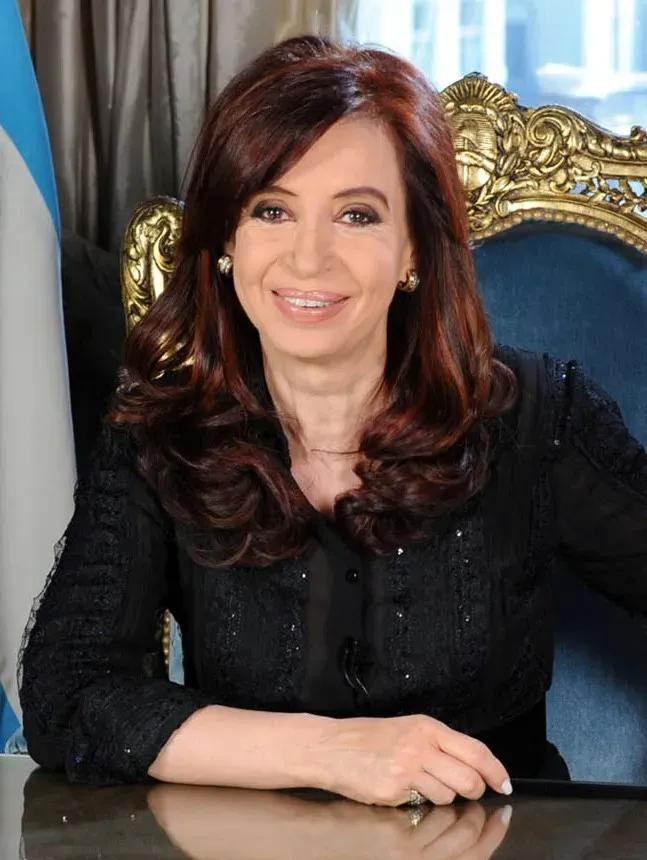
The figure of Cristina Kirchner has been, and continues to be, a central pillar in Argentine politics. From her rise to power as president in 2007 to her current role as vice president, her influence has shaped the course of the country. The central question that arises is: what has been the real impact of her leadership on Argentine politics and the economy? This analysis seeks to explore her trajectory, the implications of her decisions, and the current context surrounding her figure, especially in light of recent events that have rekindled the debate about her legacy.
📊 Current Situation and Context
Cristina Kirchner is currently in the spotlight after undergoing an appendicitis operation, raising concerns about her health and her ability to carry out crucial political functions. According to official sources, the intervention was successful, and a brief recovery period is expected. However, this event coincides with a complicated economic context for Argentina, where inflation reached 124% annually in October 2023 according to INDEC. This situation raises questions about how Kirchner’s past political decisions have influenced current economic crises.
🔍 Analysis of Causes and Factors
The rise of Cristina Kirchner to power occurred in a context marked by the economic crisis of 2001-2002. Her administration was characterized by Keynesian policies that included increased public spending and subsidies to strategic sectors. These decisions were initially popular but also laid the groundwork for long-term structural problems. The expansion of public spending led to a significant increase in the fiscal deficit, which reached 6% of GDP in 2015. This raises a causal connection between her policies and current economic issues, where fiscal balance has become a critical challenge.
🌍 International Comparison and Global Impact
To better understand the impact of Kirchner's leadership, it is useful to compare Argentina with other Latin American countries. For example, Chile has experienced sustained growth thanks to more disciplined fiscal policy and a market-oriented approach. Meanwhile, Brazil has faced challenges similar to those of Argentina under populist governments but managed to stabilize itself through structural reforms after 2016. In contrast, Argentina continues to grapple with high inflation and scant economic growth; according to World Bank data, Argentina's per capita GDP grew by only 0.4% annually between 2015 and 2023.
⚖️ Implications and Consequences
The political decisions made during Cristina Kirchner's presidency have had deep consequences for the Argentine economy. A lack of trust in public institutions has led to a massive capital flight; according to data from BCRA, international reserves fell to $37 billion in October 2023 from $61 billion in 2015. This not only affects the economic stability of the country but also its international standing. The political uncertainty generated by her polarizing figure complicates the foreign investments necessary to revitalize the economy.
🔮 Strategic Perspective and Future Outlook
As we enter an uncertain future for Argentina, it is crucial to consider how Cristina Kirchner's political legacy may influence the coming years. Political polarization remains a key factor; without strong institutions that foster constructive dialogue, it will be difficult to reach the necessary consensus to implement significant economic reforms. The presidential elections scheduled for 2023 could be decisive not only for her political career but also for the economic course of the country. Without a clear strategic shift towards more responsible and inclusive fiscal policies, Argentina risks continuing to be trapped in adverse economic cycles.
In conclusion, while Cristina Kirchner remains an influential figure in Argentine politics, it is essential to critically analyze her past and present decisions to understand the future implications for the country. Without a clear direction or effective structural reforms, Argentina could face even more economic and social challenges that will affect the entire population.

Comments