An integral plan... but fragile
According to diplomatic sources and regional officials, the U.S. initiative combines incentives and restrictions. It includes relief from economic sanctions on Tehran, cooperation on civilian nuclear matters, and a verifiable rollback of the Iranian nuclear program under the supervision of the International Atomic Energy Agency.
It also provides limits on missile development and Iranian support for armed groups in the region. But the strategic point —and probably the most sensitive— is ensuring free navigation in the Strait of Hormuz, a vital maritime corridor through which a substantial part of the world's energy trade flows.
Pakistan and Turkey, rising mediators
The proposal would have been channeled primarily by Shehbaz Sharif, who expressed his country's willingness to facilitate “decisive” talks. Along with Pakistan, Turkey appears as another key player willing to offer territory and diplomatic support for a potential formal dialogue.
The United States has tentatively agreed to participate in this mediation scheme, although the biggest unknown remains Iran's actual position, which publicly denies any direct negotiation.
Structural distrust in Tehran
Iranian skepticism runs deep. Military and diplomatic spokespeople from the regime reiterated that there is no dialogue channel with Washington and recalled recent attacks that occurred during high-level talks. The official narrative holds that the experience with U.S. diplomacy has been “catastrophic,” complicating any attempts at mutual trust.
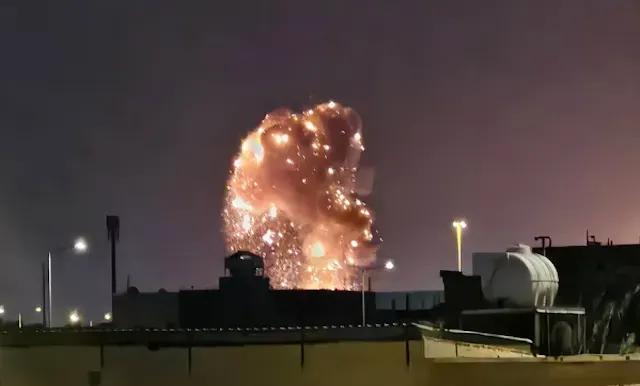
Meanwhile, the war continues with daily bombings, drone attacks in Gulf countries, and air offensives against Iranian infrastructure. This scenario of simultaneous escalation with negotiation reflects a classic pattern of military pressure combined with diplomatic openness.
Oil as a global thermometer
The mere possibility of a truce has already impacted the economy. The price of Brent crude oil fell from peaks approaching $120 per barrel to around $100. However, it remains well above the values before the conflict, fueling fears of global inflation, rising food costs, and increased financial burdens.
Iran's control over the Strait of Hormuz explains much of that volatility: Tehran has allowed the passage of some vessels but restricts those linked to the United States, Israel, and their allies.
A negotiation that is just beginning
More than an imminent agreement, the 15-point plan seems to function as an initial roadmap. Regional diplomats describe it as a “comprehensive” foundation, but one that will require substantive concessions and political will from both sides to become a real truce.
For now, diplomacy is advancing at the pace of missiles: each gesture of openness coexists with new offensives. The outcome will depend on whether the powers can transform this proposal into concrete negotiations or if the conflict ends up consolidating a new phase of regional instability.
In the Middle East, recent history suggests an uncomfortable lesson: wars can start quickly, but their end often takes much longer to negotiate —and under much more complicated conditions.

Comments