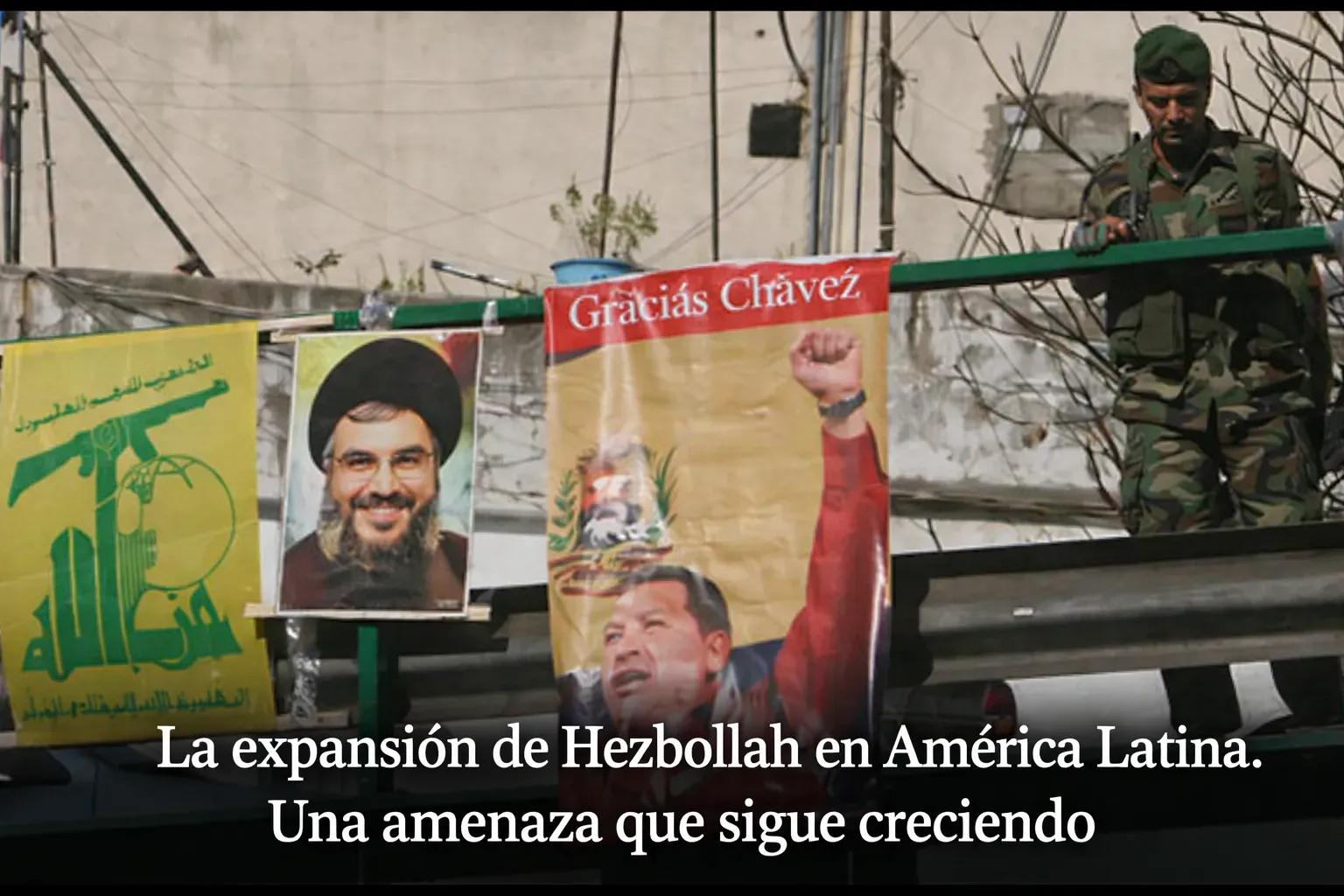
NOTE: this article was originally written in the year 2024, but was not published in FinGurú. At a time when a legal process is underway in the United States against Nicolás Maduro and his wife, where, among other issues, the ties between the castrochavista dictatorial regime of Venezuela, Iran, and Hezbollah will be aired; we find it important to reiterate what the authors previously expressed.
The persistent efforts of Israeli Prime Minister Benjamin Netanyahu to dismantle Hezbollah are likely to drive the organization's operators abroad to increase their criminal activities. This increase aims to generate the resources necessary for recovery efforts and to strengthen Hezbollah's overall capabilities. This report examines the connections between the Venezuelan regime and Hezbollah, particularly in light of potential changes in Hezbollah's leadership.
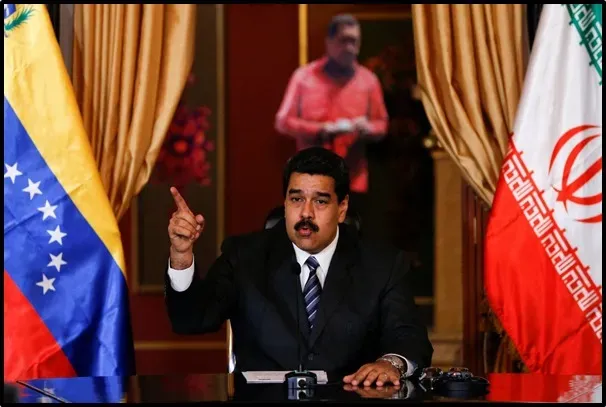
The possible removal of Hassan Nasrallah as Hezbollah's leader could create a leadership vacuum, leading to instability within the organization. Such instability may require operational adjustments in Latin America as Hezbollah seeks to maintain cohesion and effectiveness in its activities. The Venezuelan regime is expected to continue its political and operational support for Hezbollah, framing this relationship as part of its anti-imperialist strategy. This support includes facilitating Hezbollah's movements within Venezuela, providing financial resources, and engaging in intelligence sharing to enhance operational effectiveness.
The Venezuelan government could channel funds to Hezbollah through state-owned enterprises while facilitating drug trafficking and arms smuggling operations that benefit both organizations. This collaboration is crucial to maintaining Hezbollah's operations and its financial stability during recovery efforts. The regime is likely to provide training to Hezbollah operatives, enhancing their skills in areas such as guerrilla warfare, urban combat, and intelligence gathering. This support will strengthen Hezbollah's operational capabilities in the region and prepare them for potential confrontations.
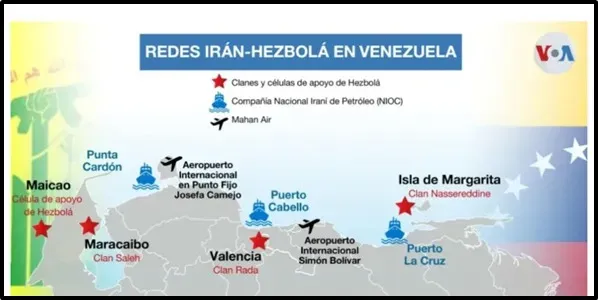
Hezbollah representatives are allowed to conduct recruitment activities within Venezuela, targeting local communities to expand their influence and operational base. This recruitment strategy is vital for sustaining their workforce and resources as they seek to recover and regroup. In response to international scrutiny, the Venezuelan government may adopt a strategy of denial regarding Hezbollah's activities. By presenting their presence as benign and focused on humanitarian efforts, the regime seeks to mitigate potential negative reactions from the international community.
The Venezuelan regime may seek to consolidate alliances with other nations that support Hezbollah, enhancing collective efforts against US influence in the region. This geopolitical move could lead to increased collaboration among like-minded governments. As Hezbollah faces heightened scrutiny due to the actions of the Israel Defense Forces, both the Venezuelan regime and Hezbollah may need to adapt their strategies. This adaptation will be crucial to effectively navigate potential challenges and threats of retaliation.
Hezbollah's presence in Latin America has historical roots, particularly in the Tri-Border region among Argentina, Brazil, and Paraguay, where it has been involved in recruitment, money laundering, and fundraising since the 1980s. The 1994 bombing of AMIA in Buenos Aires highlighted the organization's activities in the area. Connections between Iranian officials and local operatives further complicate the landscape, revealing a network of financial and logistical support for Hezbollah.
Venezuela has become a key stronghold for Hezbollah in Latin America, particularly since the alliance between Hugo Chávez and Mahmoud Ahmadinejad in the 2000s. This partnership has allowed Hezbollah to expand its influence, with Venezuelan officials facilitating operations and providing substantial financial backing. Tareck El Aissami has played a significant role in managing Hezbollah's activities in Venezuela, overseeing the establishment of systems that support the organization's operations.
Collaboration with Iran includes significant financial contributions and logistical support, with estimates suggesting that Hezbollah receives approximately $1 billion annually. The presence of Iranian-backed groups and the facilitation of arms transport have raised alarms about the potential for terrorist activities targeting regional and international interests.
Recent developments, such as the arrest of individuals linked to Hezbollah and its operations in countries like Mexico, Ecuador, and Colombia, underscore the ongoing threat posed by the organization. The links between Hezbollah and drug cartels have been well-documented, with allegations of collaboration in drug trafficking and money laundering highlighting the complex interconnections between organized crime and terrorism.
As Hezbollah continues to strengthen its presence through local alliances and operational adaptations, the potential for new attacks and destabilization in the region remains a pressing concern. The evolving geopolitical landscape, along with the rise of anti-Semitism and anti-Western sentiment, creates fertile ground for Hezbollah's recruitment and activities.
The recent "Operation Trapiche," which dismantled a Hezbollah cell in Brazil, raises a crucial question: How present is this terrorist organization in Latin America, and what is the real risk it poses? It is essential to trace Hezbollah's presence on the continent and understand the longevity of its infiltration. This analysis will reveal how they operate, who their allies are, and how entrenched their network is within local governments and economies.
Since the 1980s, the Tri-Border region between Argentina, Brazil, and Paraguay has been a historical enclave for recruitment, money laundering, and fundraising of Islamic terrorism. Following the AMIA bombing in Buenos Aires in July 1994, the region once again came into the spotlight. Buenos Aires commissioner Juan José Ribelli, investigated for his involvement in the local connection of the bombing, traveled to the Tri-Border area shortly before the attack and received a transfer of $2.5 million that he justified as a family inheritance. The investigation into this transfer and other contacts of Ribelli with the Tri-Border was hindered by interference from the government of Peronist Carlos Menem. Advances in proving these links were annulled due to "procedural errors." Menem even obstructed the deepening of other leads, such as the one investigating the relationship of his personal doctor, Alejandro Tfeli, of Syrian origin, with the Syrian-Lebanese community involved. The investigation ultimately demonstrated that the attack was led by Moshen Rabbani, the cultural attaché of the Iranian embassy in Buenos Aires, connecting Hezbollah to other countries in the region.
Rabbani's brother, Mohamed Baquer Rabbanni Rezavi, founded the Iranian Association of Brazil, which hosts at least one million Muslims. One of his associates, Khaled Taki Eldyn, leads the mosque in São Paulo, the city with the largest Jewish community in Brazil. Despite the annulment of the case related to the bombing, a parallel process against Iranian officials continued, resulting in an Interpol red alert for their capture. Facing risk, Rabbani left his position in Buenos Aires and appeared in Caracas in 2010.
Venezuela has become the main stronghold of Hezbollah in Latin America. Since the alliance between Hugo Chávez and Mahmoud Ahmadinejad in the 2000s, the Chavista regime has acted as a representative and platform for Hezbollah to expand its influence in the region. This agreement included the sale of uranium for the Iranian nuclear program and the triangulation of Argentine atomic technology, generating substantial profits for the government of Néstor and Cristina Kirchner.
The link with Hezbollah in Venezuela has been managed by Tareck El Aissami, former governor of Aragua and former vice president under Nicolás Maduro, along with members of Al Quds, the external branch of the Iranian theocratic regime. In 2007, Ghazi Nasserddine, a Lebanese nationalized Venezuelan, was appointed as the second in command at the Venezuelan Embassy in Syria, from where 10,000 passports were issued between 2008 and 2009. Under Nassereddine's leadership and at El Aissami's urging, a system for purchasing properties on Isla Margarita was established, creating a sanctuary and meeting place for Hezbollah terrorists and other groups like Hamas. Ghazi's brother, Abdallah Nasserddine, president of the Federation of Arab Entities of Latin America, facilitated the expansion of Iranian influence in the region.
Al Quds manages Hezbollah with estimated annual contributions of $1 billion and an arsenal that includes 70,000 rockets and long-range missiles, posing a threat to Israel. Al Quds also controls Mahan Air, the airline that transports arms to Hezbollah through Syria. A Mahan Air plane was sold to the Venezuelan state-owned EMTRASUR to establish a cargo line in Latin America, which operated under the state-owned Conviasa.
In June 2022, an EMTRASUR Boeing 747 arrived in Argentina, crewed by two Iranians linked to Al Quds. Despite alerts from four intelligence agencies, officials close to Cristina Kirchner ignored the situation. Only after a public scandal did the Argentine government intervene, although attempts were made to justify the presence of 19 crew members and facilitate the departure of the Iranians from the country.
For its collaboration with Iran and its terrorist groups, Vice President Kirchner faces trial for "treason to the fatherland" related to an attempt to protect those guilty of the AMIA bombing from an international arrest warrant. Kirchner's government has demonstrated its alliance with Iran by not sending an arrest request to Nicaragua in January 2022 during the visit of Moshe Rezai, one of the suspects in the bombing. Nicaragua, along with Venezuela, votes in favor of Iran at the UN, just like the Cuban dictatorship.
In 2017, US justice declassified a message from Mossad directed to then-Secretary of State Hillary Clinton, warning about Hezbollah's intention to open a headquarters in Cuba to organize attacks against Jews in America and Europe. Negotiations with Cuban intelligence were conducted by Nasrallah, the leader of Hezbollah, seeking revenge for the death of Imad Mugniyeh, a group leader involved in the attack on the Israeli embassy in Buenos Aires in 1992.
The shadow of another AMIA attacker was evidenced when Samel Akil Rada attempted to traffic 500 kg of cocaine from Costa Rica to Panama, with the shipment being stopped in El Salvador. This individual is the brother of Amer Mohamed Reda, of Islamic Jihad.
In Mexico, Hezbollah has collaborated with the Sinaloa cartel in money laundering activities since 2011. Its presence dates back to 2002 when Salim Boughader Mucharrafille, a Lebanese citizen, was arrested for operating a network that introduced at least 200 people into the US, including suspects of being part of the terrorist group. In 2005, Mahmoud Youssef Kourani was arrested after illegally entering the US from Mexico and raising funds for Hezbollah in the Muslim community of Michigan. His brother was the operations chief of Hezbollah in southern Lebanon.
https://www.justice.gov/sites/default/files/usao/legacy/2008/12/01/usab5606.pdf
Since then, multiple indications of the link between Hezbollah and drug cartels have emerged. US authorities have reported similarities in the technology used by both groups to manufacture explosives and build tunnels in critical areas. The relationship between Hezbollah and cartels like Los Zetas is evident. The asset laundering, perfected by terrorism, allows drug traffickers to finance their global network. The murder of Paraguayan prosecutor Marcelo Pecci in Colombia in May 2022 underscores the extent of the problem, leading the US to request the extradition of individuals associated with Hezbollah.
In 2021, Adalberto Fructuoso Comparán Rodríguez, former mayor of Aguillila, Michoacán, was arrested in Guatemala and extradited to the US for trafficking 550 kilos of methamphetamine. During his detention, he confessed that the drugs came from laboratories controlled by Hezbollah. This shipment, which contained Captagon, a methamphetamine produced in the Syrian Bekaa Valley, has become another source of income for Hezbollah. Comparán Rodríguez established contact with terrorists in Cali, Colombia.
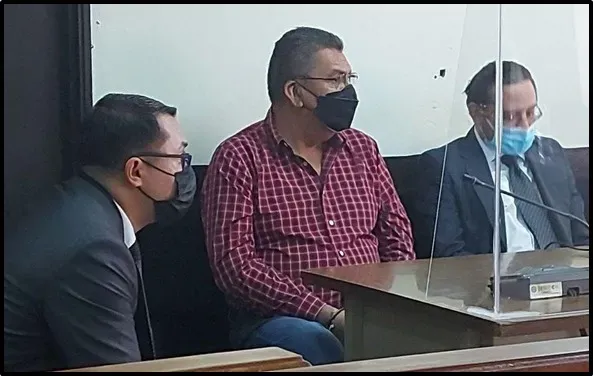
Adalberto Fructuoso Comparán Rodríguez
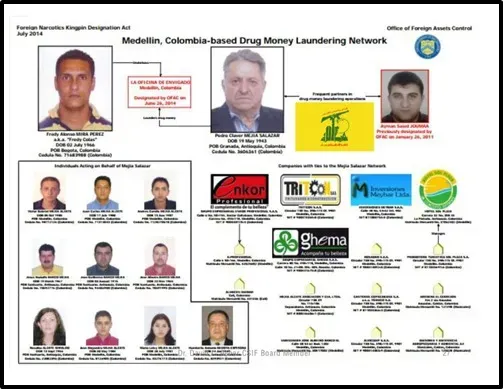
The arrest of the Colombian-Lebanese Ayman Joumaa highlighted Hezbollah's collaboration with production areas in Colombia. Investigations revealed that Joumaa was in contact with Hezbollah members and used their money laundering network, with hundreds of millions of dollars being laundered and his involvement in drug trafficking from Colombia and Venezuela to Mexico and the US.
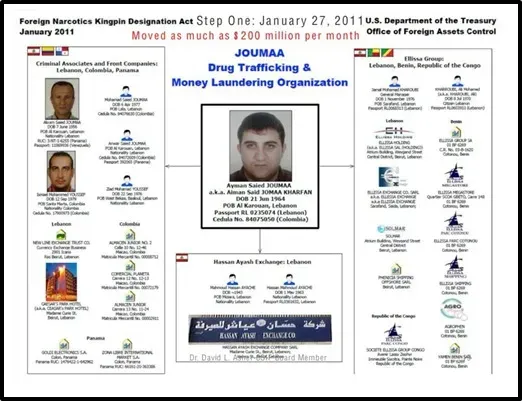
The relationship between Chavismo and its Cartel del Sol with Colombian FARC has led to allegations that Hezbollah assists in obtaining weapons and money laundering in exchange for
Protection on trafficking routes. In Operation Cassandra, launched by the U.S. in 2008, drug trafficking networks were infiltrated, identifying 22 figures linked to Islamic terrorism and Iran. Among others, "La Oficina," a cartel dedicated to money laundering for the Cali Cartel, was dismantled, linked to Hezbollah through Lebanese individuals like Mohamed Ahmad Ammar and Ghassan Diab. This operation demonstrated the existence of an extensive network of high-level complicities, identifying Hezbollah groups in seven countries and a circuit that raised $1 billion annually to finance terrorism.
Udy Levy, a former Mossad agent in Ecuador, delved into the ties between high officials, drug trafficking, and Hezbollah. In 2022, he had to leave Ecuador due to the risks of exposing local figures in the plot.
In Paraguay, the presence of Hezbollah in the Triple Frontier has raised suspicions of broader complicities. This led the DEA and OFAC from the U.S. to sanction former President Horacio Cartés for his ties to the terrorist group's financial network. Sanctions also reached former Vice President Hugo Velázquez, who was investigated for his relationship with Hezbollah cleric Ali Hijzi.
In 2017, Assad Barakat, the financial chief of Hezbollah in the Triple Frontier, was arrested, key to unraveling the businesses connecting companies in Argentina, Chile, Lebanon, and the U.S.
So far, Hezbollah's presence has been evidenced in Argentina, Brazil, Ecuador, Colombia, Venezuela, Mexico, Cuba, Chile, and Paraguay. Although a large part of the population and land area of the continent has been covered, more states are still lacking. Moshen Rabbani, before fleeing to Venezuela, established his regional network. His disciple Edgardo Assad, an Argentinian-Lebanese, leads the Iranian-Latin American Cultural Exchange Center in Chile, which organizes tours for social and political figures to Iran, promoting the principles of the Islamic Revolution. This center receives diffusion from HispanTV, a broadcaster funded by Iran, and has dedicated programs to Assad's ideology.
Another disciple of Rabbani, Aubrey Michael Seaforth, known as "Abdul Kadir," was arrested in 2007 for planning a Hezbollah attack against JFK airport in New York. In 2017, Dino Bouterse, son of the former president of Suriname, was convicted for conspiring with Hezbollah and Iran to attack U.S. interests.
https://archives.fbi.gov/archives/newyork/press-releases/2010/nyfo121510a.htm
The link of Assad in Chile has been related to Edwar Quiroga Vargas, a Peruvian politician linked to Iran, who founded the group “Inkarri Islam.” Quiroga Vargas seeks to extend his influence in the coca-producing area in Peru and Bolivia, supporting Movadef, an organization associated with Sendero Luminoso. Hezbollah’s presence in Peru is not new. Muhamad Ghaleb Hamdar, a Lebanese who entered the country with a false passport in 2014, was detained on suspicion of terrorism, confessing to being part of Hezbollah. Weapons and photographs of possible targets of the terrorist group were found in his home, but the case was annulled due to procedural errors.
Here we share a current case of drug trafficking by the U.S. Justice Department in how the Maduro regime supported these activities. https://www.justice.gov/usao-sdny/pr/former-member-venezuelan-national-assembly-charged-narco-terrorism-drug-trafficking-and
The intention of Iran to expand its influence in the Andean region was strengthened with the government of President Arce in Bolivia. After signing a mutual defense agreement with Tehran, Bolivia broke diplomatic relations with Israel. A cable from the Argentine embassy in Iran indicated the massive delivery of passports to Iranian citizens by the Bolivian ambassador, Romina Pérez.
The agreement signed between the Bolivian Minister of Defense and his Iranian counterpart includes the transfer of technology for cybersecurity and the supply of drones and military boats from Iran. This pact relates to a similar agreement signed by Venezuela, consolidating a collaboration axis between these three countries.
The diplomacy of Iran and its propaganda have exploited anti-Semitic feelings in part of the Latin American population, facilitating its recruitment and collaboration. This reality raises concerning conclusions: Hezbollah, backed by Iran, has consolidated its presence in the region for more than four decades and has woven a network of economic and political complicities with local actors.
The resurgence of anti-Semitism in the world reinforces recruitment and collaboration with Hezbollah. This phenomenon also provides them with political allies. In societies where anti-Jewish discourse prevails, collaboration with Hezbollah can be favored or penalized depending on the political context.
The participation of local groups was crucial in the AMIA attack and the attack on the Israeli Embassy in 1992. The threat of Hezbollah can manifest in various forms; it is not limited to individuals with turbans or typical Palestinian clothing. America, from Tierra del Fuego to Alaska, is a potential field where Iran can continue its offensive against Israel, especially when it is limited in the Middle East.
The arrest of Hezbollah cells in Brazil is an alarming symptom of their growing presence in the region. The Jewish community in Latin America, with 350,000 members, and the 6 million in the U.S. are potential targets of terrorist attacks. Iran has already perpetrated attacks in Argentina, causing hundreds of deaths and injuries. History shows it is willing to use its pawns to attack wherever opportunities arise.
The warning is clear: Hezbollah is already among us, strengthening itself with those who share its hatred. The evidence is compelling, and the reality is that when they explode, bombs do not discriminate. They affect everyone, even those who believe they are not part of any side.
Conclusion
The situation of Hezbollah in Latin America is alarming and complex. The terrorist organization, backed by the Venezuelan regime and supported by Iran, has consolidated its presence in the region through a network of alliances and criminal activities. The combination of recruitment, money laundering, and drug trafficking, along with political and economic influence, strengthens not only Hezbollah but also local criminal groups. International vigilance is essential to counteract this growing threat, which affects not only the Jewish community in the region but also poses a risk to the overall stability of Latin America and global security.
Jesús Daniel Romero is a retired Commander of Naval Intelligence and was the Deputy Director of Intelligence for the Naval Forces of the U.S. Southern Command. He is a writer and a permanent consultant for major U.S. media on related topics.
William Acosta is a former Officer of the New York Police Department, where he participated in multiple investigations linked to terrorism, human trafficking, money laundering, and transnational crime in general. He is currently a prominent Private Investigator and runs his own company, Equalizer Investigations.
Credits
Source Credits:
Semana - A Colombian magazine that has covered issues related to organized crime and Hezbollah in Latin America
The Center for a Secure Free Society - An organization that has investigated and published reports on Hezbollah's influence and illicit networks in Latin America
U.S. Department of the Treasury (OFAC) - Sources of sanctions and designations of terrorists related to Hezbollah and its links in the region
Federal Bureau of Investigation (FBI) - Information on individuals of interest linked to Hezbollah
Bloomberg - Reports on the economic situation in Venezuela and resource exchange operations with Iran
Ministry of Foreign Affairs of Venezuela - Official documents and statements regarding Venezuelan foreign policy towards Iran and Hezbollah
Infobae - Articles on politics and organized crime in Venezuela, including interviews with sources close to Tareck El Aissami
Other reports and academic studies - Various investigations examining the intersection of organized crime and terrorism in Latin America
Hezbollah has already reached Latin America
By Ignacio Montes de Oca
Reports from various intelligence sources and media.

Comments