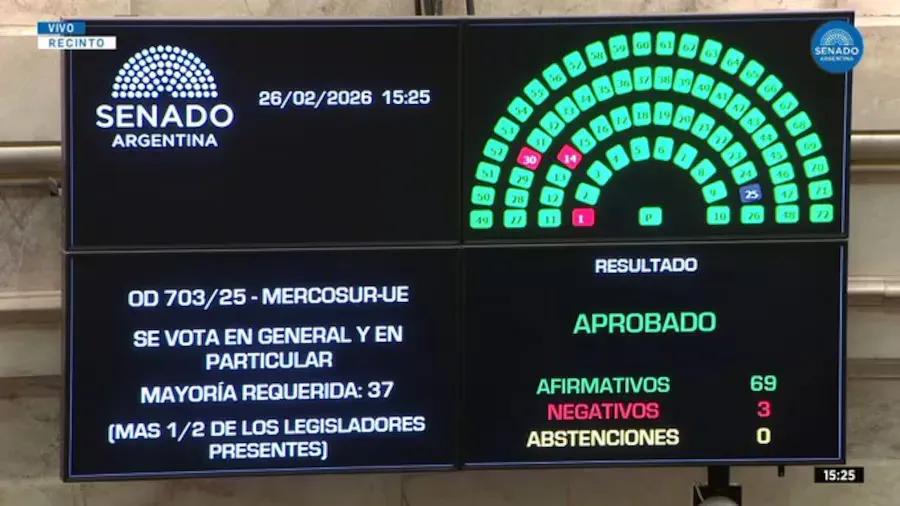
After more than two and a half decades of diplomatic negotiations, technical advancements, and political redefinitions, the Argentine Senate approved the trade agreement between Mercosur and the European Union. With 69 affirmative votes, Argentina enacted one of the most ambitious treaties in its recent history concerning international integration.
This is an understanding between two regional blocs that together represent nearly 800 million people and a significant portion of the global gross product. The magnitude of the market involved makes this pact a turning point for the country's strategy of external insertion.
A process that spanned governments
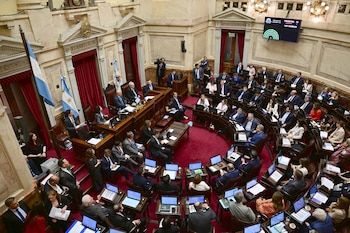
The negotiations formally began in 1999. Since then, the agreement has gone through different administrations on both sides of the Atlantic. Presidents changed, economic crises occurred, geopolitical priorities shifted, and development models varied, but the process continued.
This persistence gives the treaty a unique character: it is one of the few strategic consensuses that has survived ideological alternations. Its approval in the Senate consolidates that institutional journey.
What does the agreement imply?
The pact establishes a progressive scheme for tariff reduction, opening markets for goods and services, common rules regarding investments, and shared technical standards.
For Argentina, it means preferential access to one of the most developed markets in the world, particularly relevant for agri-industrial, energy, and regional economy sectors. For the European Union, it implies a greater presence in a bloc with strategic natural resources and productive potential.
Argentina is betting on a deeper economic integration with Europe.
Strategic dimension
In an international scenario marked by trade tensions and redefined alliances, the ratification also gains geopolitical value. It strengthens ties with Europe at a time of global trade reorganization and the search for reliable partners.
The agreement is also a diplomatic signal.
What comes next
With the legislative sanction, the phase of regulation and implementation now begins. Normative adaptation, coordination with the private sector, and productive planning will be key to translating the treaty into concrete results.
Trade agreements do not generate immediate impact on their own. Their effectiveness depends on each country's ability to seize opportunities and manage transitions.
A milestone in international insertion
The approval of the Mercosur-European Union agreement marks a historic moment for Argentina. After 26 years of negotiations, the country formalized its commitment to one of the world's most important blocs.
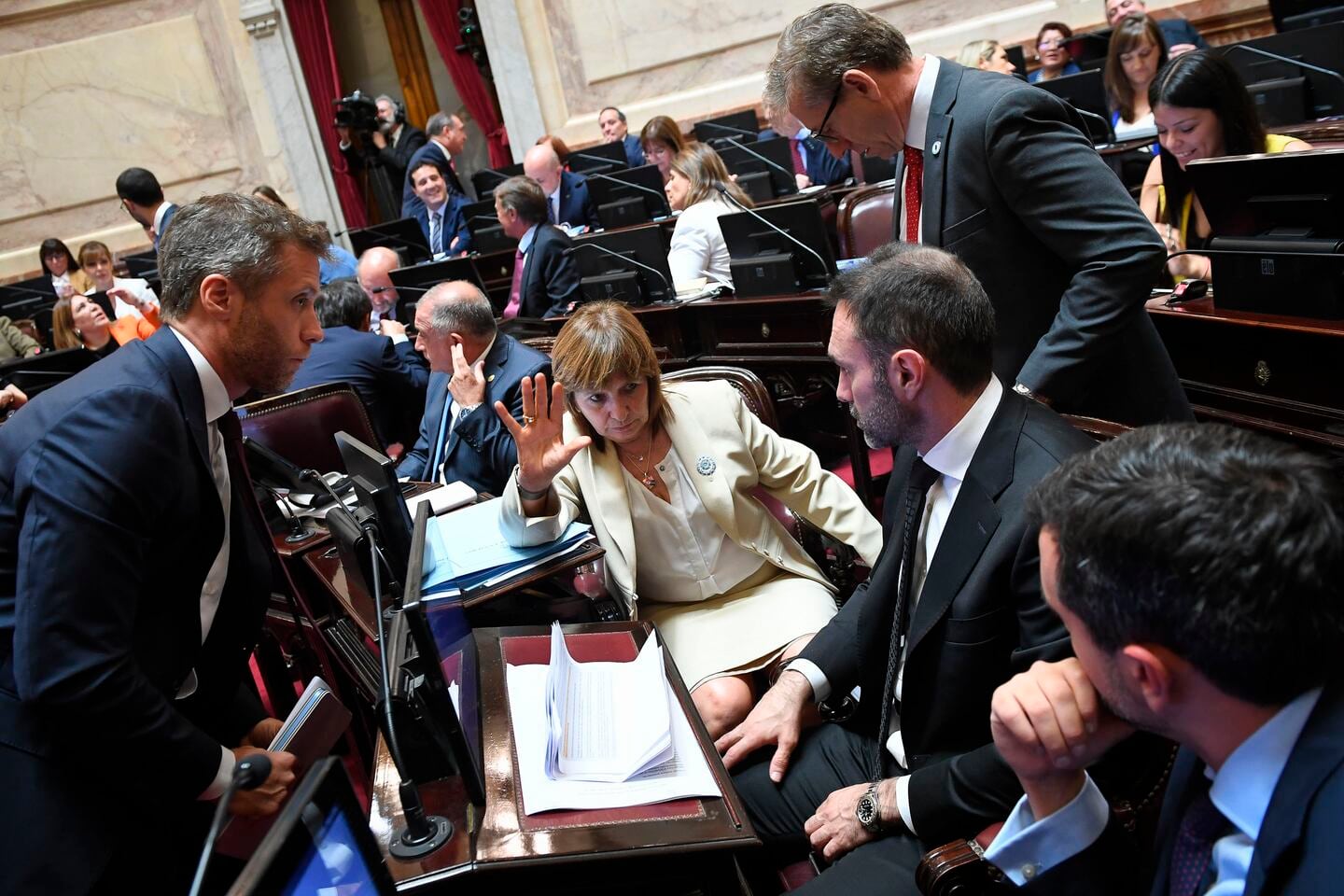
The political debate accompanied the process, as is customary in a democracy. But the final decision reflects a broad consensus on the strategic importance of the understanding.
The treaty is now law.
The challenge now will be to turn it into development.

Comments