Context of the Conflict
The confrontation between Iran and Israel is one of the most persistent geopolitical conflicts in the Middle East. It dates back to 1979, when the Iranian Islamic Revolution transformed the country into a theocratic republic that severed relations with Israel and declared it its main strategic adversary.
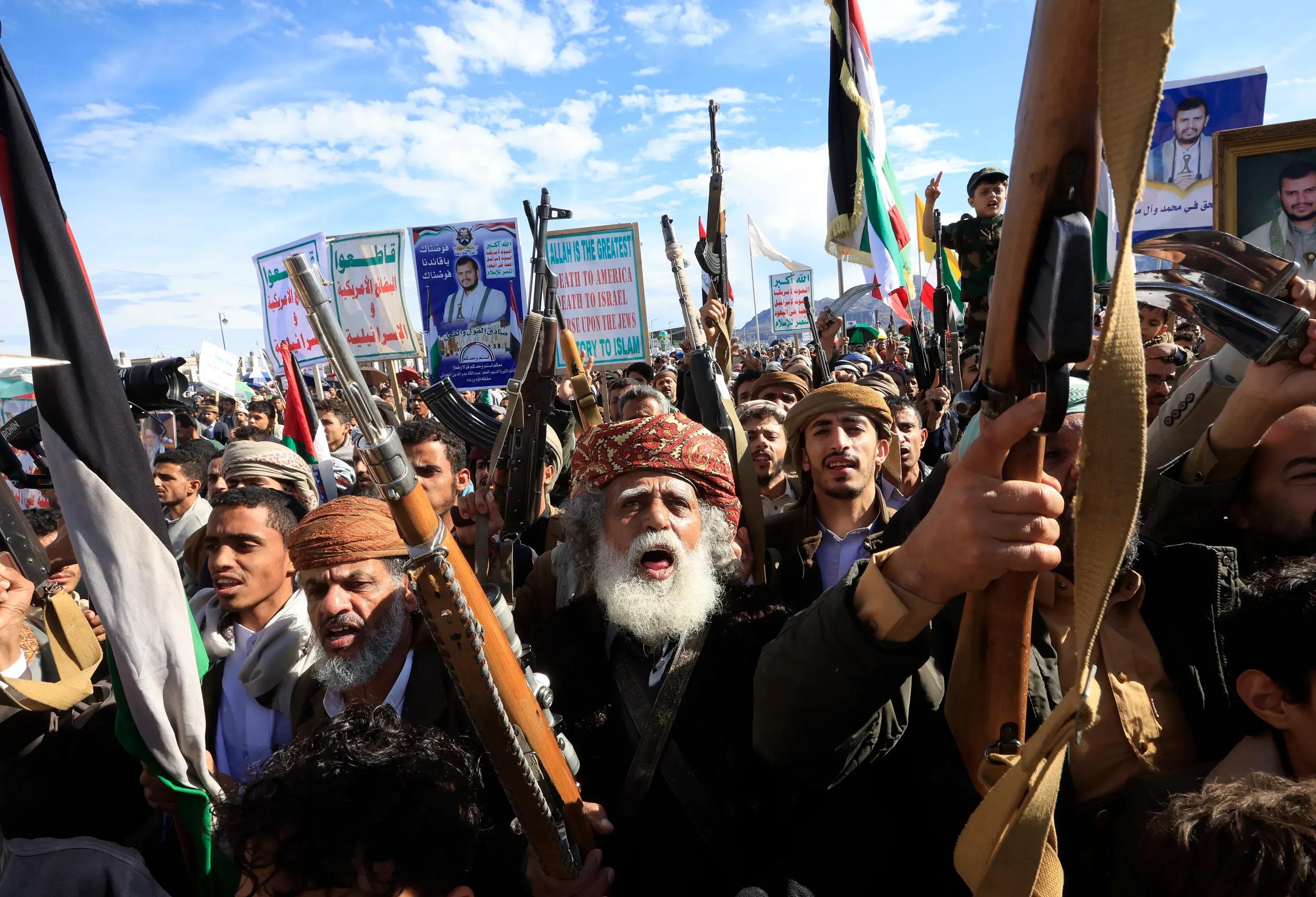
Since then, Iran has supported various armed actors facing Israel in the region, including Hezbollah in Lebanon, Hamas in Gaza, and the Houthis in Yemen. Israel, for its part, considers Iran an existential threat, especially due to its nuclear program and the development of long-range missiles.
This antagonism has led to an indirect war being fought through covert operations, targeted attacks, and confrontations between regional allies.
2. Recent Escalation and Mutual Accusations
In recent months, there has been a significant increase in military incidents.
Among the most controversial events is the report of a supposed airstrike against a school in Minab, in southern Iran, which allegedly caused numerous civilian casualties. Iranian authorities attributed the attack to Israel and labeled it as a crime against the civilian population.
Israel and the United States denied direct involvement in that bombing and stated that the events still need to be verified by independent sources.
Subsequently, reports emerged of Iranian missile and drone launches against Israeli targets and against U.S. military installations in the region. These episodes heightened tensions in a scenario where attacks in Syria, confrontations at the Lebanon border, and threats from Yemen were already occurring.
The lack of independent confirmation of several of these events has generated uncertainty, but it has not reduced the confrontational climate.
3. The Conflict under International Public Law
The escalation between Iran and Israel raises fundamental issues in terms of International Public Law.
The central principle regulating relations between states is the prohibition of the use of force, established in the United Nations Charter.
States cannot use military force against another state except in two circumstances:
Self-defense against an armed attack.
Authorization from the UN Security Council.
In the case of the Iran-Israel conflict, neither country has obtained authorization from the Security Council for military operations against the other.
This means that any direct attack could be considered illegal if it cannot be proven to constitute immediate self-defense against armed aggression.
The debate becomes particularly complex when attacks are carried out preventively or against facilities linked to third parties on the territory of other states, as occurs in Syria or Lebanon.
4. Protection of Civilians and International Humanitarian Law
In the case of armed conflict, International Humanitarian Law applies, particularly the Geneva Conventions.
These rules establish fundamental principles:
Distinction: combatants must differentiate between military targets and civilian populations.
Proportionality: the use of force must not cause excessive damage to civilians in relation to the military objective.
Precaution: measures must be taken to minimize civilian casualties.
Deliberate attacks against schools, hospitals, or civilian infrastructure may constitute war crimes.
For this reason, if a bombing against a school or against unarmed civilian populations were confirmed, those responsible could face international charges for serious violations of International Humanitarian Law.
5. International Legal Mechanisms
There are several mechanisms to address these possible violations:
International Criminal Court
It can investigate war crimes, crimes against humanity, and genocide. However, its jurisdiction depends on states' adherence to the Rome Statute or a referral from the Security Council.
International Court of Justice
It resolves legal disputes between states. One country could sue another for violations of treaties or of the UN Charter.
UN Security Council
It can impose sanctions or authorize collective actions to maintain international peace. However, its functioning is often blocked by vetoes from permanent powers.
6. Risk of a Regional Crisis
The conflict is not limited to Iran and Israel. Various regional actors are involved directly or indirectly:
Hezbollah in Lebanon
Pro-Iranian militias in Iraq and Syria
Houthis in Yemen
The United States as a military ally of Israel
This network of alliances increases the risk that isolated incidents could trigger a broader confrontation in the Middle East.
In addition to the military impact, an open war could severely affect global energy markets due to the strategic importance of the Persian Gulf and the Strait of Hormuz.

Comments