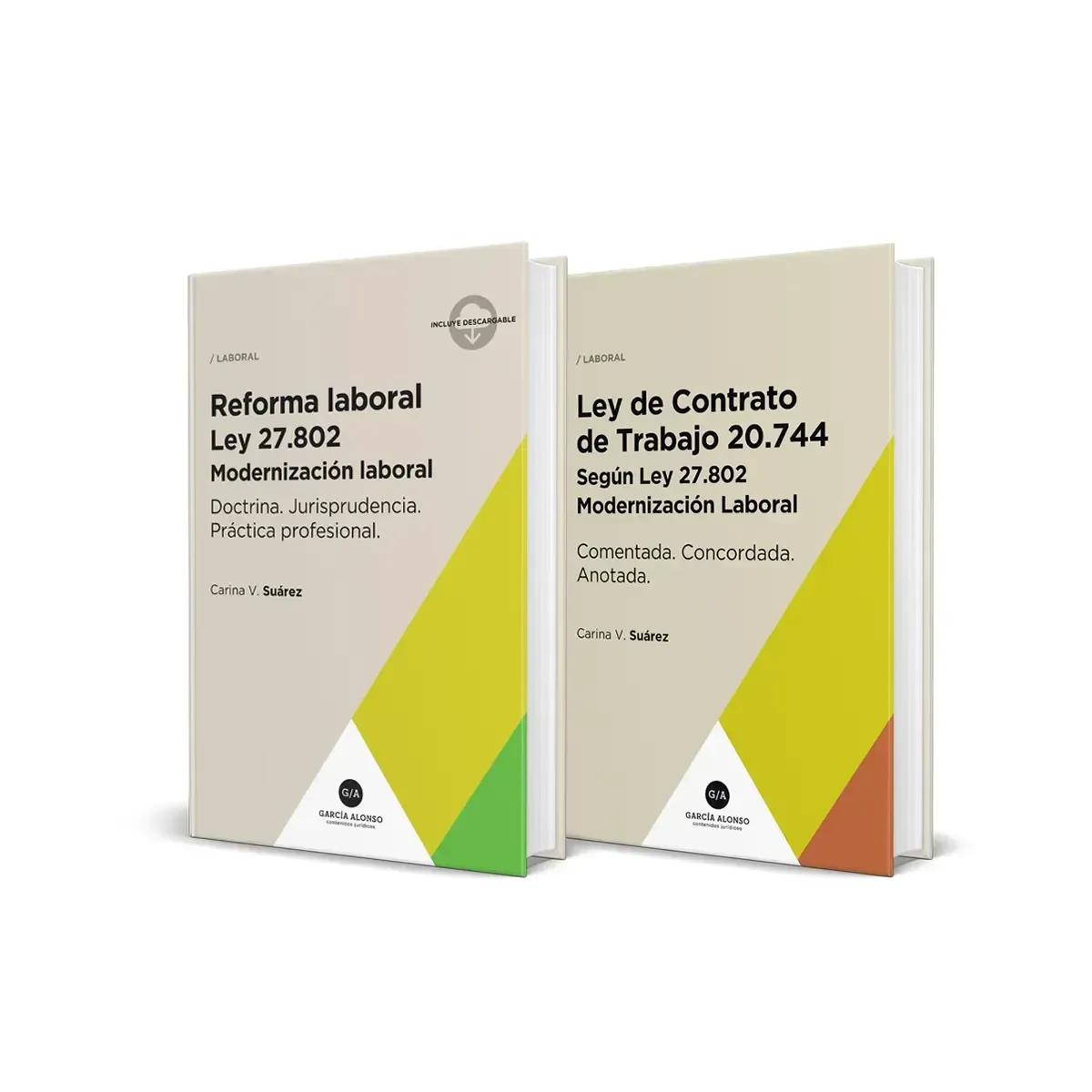
The labor reform in Argentina has resurfaced as a crucial topic in the political and economic debate of the country. Given a context marked by high inflation, job precariousness, and the need for modernization of labor structures, the question arises: what implications does this reform have for the economic and social future of Argentina? In this analysis, we will explore the historical background, the causes driving this initiative, relevant international comparisons, and the possible consequences it could bring for Argentine citizens and businesses.
📊 Current situation and context
The labor situation in Argentina is characterized by high informality, with 50% of the workforce working under unregistered conditions, according to data from the Ministry of Labor. This informality not only affects workers in terms of rights and social benefits but also impacts the national economy by limiting the tax base. Additionally, the country is facing inflation that exceeded 100% annually in 2023, which places additional pressure on real wages. The recent approval of the Labor Modernization Law has sparked controversy; although it seeks to flexibilize the labor market, its implementation has been hindered by judicial decisions that slow its progress.
🔍 Analysis of causes and factors
The causes driving labor reform are multiple and complex. Firstly, the need to increase the country's competitiveness is a key factor. According to a study by the World Bank, improving labor conditions could boost productivity by 30%. Furthermore, the historical context shows that similar reforms have been implemented in other countries with the goal of reducing informality and encouraging foreign investment. For example, during the 1990s, Mexico carried out a series of labor reforms that resulted in a significant reduction in labor informality. However, these reforms also faced criticism due to their negative effects on labor rights.
🌍 International comparison and global impact
International experience offers valuable lessons on how to approach labor reforms. In Chile, for example, significant changes were implemented in its labor legislation in the early 21st century, resulting in a sustained increase in formal employment. According to data from the Central Bank of Chile, formal employment grew by more than 20% between 2000 and 2010 following these reforms. In contrast, countries like France have faced challenges in trying to flexibilize their labor market due to strong unions and social resistance. The comparison with these contexts allows us to better understand the possible trajectories Argentina could follow if it decides to continue with its labor reforms.
⚖️ Implications and consequences
The implications of labor reform are profound both economically and socially. From an economic perspective, greater flexibility is expected to attract foreign direct investments (FDI), which are essential for stimulating economic growth. However, this must be balanced with adequate protection for workers; an analysis conducted by ECLAC indicates that without robust social protection mechanisms, reforms could exacerbate existing inequalities. Moreover, it is vital to consider how these transformations will impact the Argentine social fabric in the long term: further precarizing work could generate significant social discontent.
📈 Strategic perspective and future outlook
Looking ahead, it is crucial for Argentina to adopt a balanced approach when implementing its labor reform. While it is necessary to modernize labor laws to adapt to a changing and uncertain world, it is also fundamental to guarantee basic labor rights to prevent further deterioration of social welfare. Opportunities are present; however, the risks are high if social expectations are not managed properly. In this sense, fostering an inclusive dialogue among all stakeholders—government, employers, and unions—will be essential.
In conclusion, Argentina is at a critical crossroads regarding its labor reform: moving towards a more flexible market may open doors to new economic opportunities, but it can also bring serious consequences if not addressed from a comprehensive perspective that prioritizes both growth and labor rights.
Comments