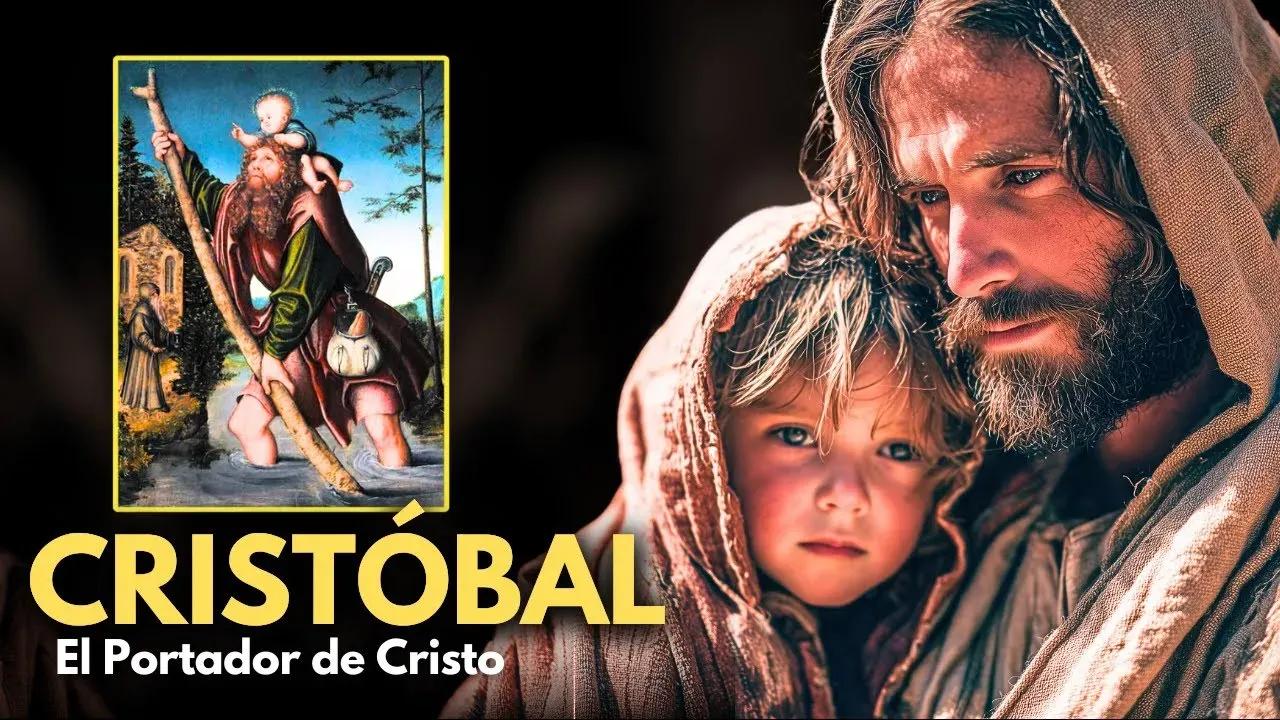
The figure of Saint Christopher, known as the patron saint of travelers, has acquired a profound meaning in various cultures over time. Why is it relevant to analyze his cultural and social impact today? In an increasingly interconnected world, where tourism and mobility are essential, understanding the importance of symbolic figures like Saint Christopher can provide insights into cultural identity and social cohesion. This analysis examines how his legacy manifests in different contexts and the implications this has for contemporary communities.
📍 Current situation and context
Saint Christopher has been venerated in many religious traditions, especially in Christianity, where he is considered a protector of travelers. According to data from the Vatican, it is estimated that more than 500 million people participate annually in pilgrimages and festivities related to saints, with Saint Christopher being one of the most popular. In Argentina, the celebration on July 25 attracts thousands of faithful seeking his protection during their travels. However, despite this veneration, there is also a growing secularization in modern societies that raises questions about the relevance of these symbolic figures.
🌍 Analysis of causes and factors
The devotion to Saint Christopher can be understood through various historical and socio-cultural causes. His figure dates back to the third century, when miraculous acts related to safe transport across dangerous rivers and roads were attributed to him. In modern times, this symbolism has evolved to encompass not only physical journeys but also spiritual ones. The increasing human mobility due to globalization has enhanced his relevance; according to the World Tourism Organization (WTO), international tourism reached 1.5 billion arrivals in 2019, increasing interest in protective figures like Saint Christopher.
🌐 International comparison and global impact
Compared to other countries, the veneration of Saint Christopher presents significant similarities and differences. In Spain, for example, the festivities in honor of this saint have been adapted to the local context, reflecting a mix between religious tradition and popular celebrations. In Mexico, during the Day of the Dead festivities, a connection is observed between the cult of Saint Christopher and other pre-Hispanic traditions. Globally, countries like Italy have experienced a resurgence of interest in religious festivities after years of secularization; according to a study by the Pew Research Center, 70% of Italians consider it important to keep religious traditions alive.
📉 Implications and consequences
The social implications of the veneration of Saint Christopher are manifold. On one hand, it fosters a sense of community among the faithful who share similar experiences related to their beliefs. This can strengthen social cohesion in increasingly fragmented societies due to cultural and religious diversity. However, it also poses challenges; the rise of religious tourism can generate tensions between local communities and visitors. According to a World Bank report on sustainable tourism, 60% of host communities report economic benefits but also cultural conflicts arising from mass tourism.
🔮 Strategic perspective and future outlook
As we move toward an increasingly interconnected future, it is crucial to consider how figures like Saint Christopher can play a role in building resilient cultural identities in the face of global challenges such as climate change or migration crises. Strategies to promote responsible tourism must include respect for local traditions while fostering sustainable economic development. As the centenary of the ecumenical movement approaches (2025), an opportunity arises to reconsider how these figures can contribute to interreligious dialogue and social peace.
In conclusion, analyzing the figure of Saint Christopher not only allows us to understand his historical relevance but also his contemporary implications. As societies face rapid changes and global uncertainties, symbolic figures like him can offer comfort and unity through the shared recognition of deep cultural traditions.
Comments