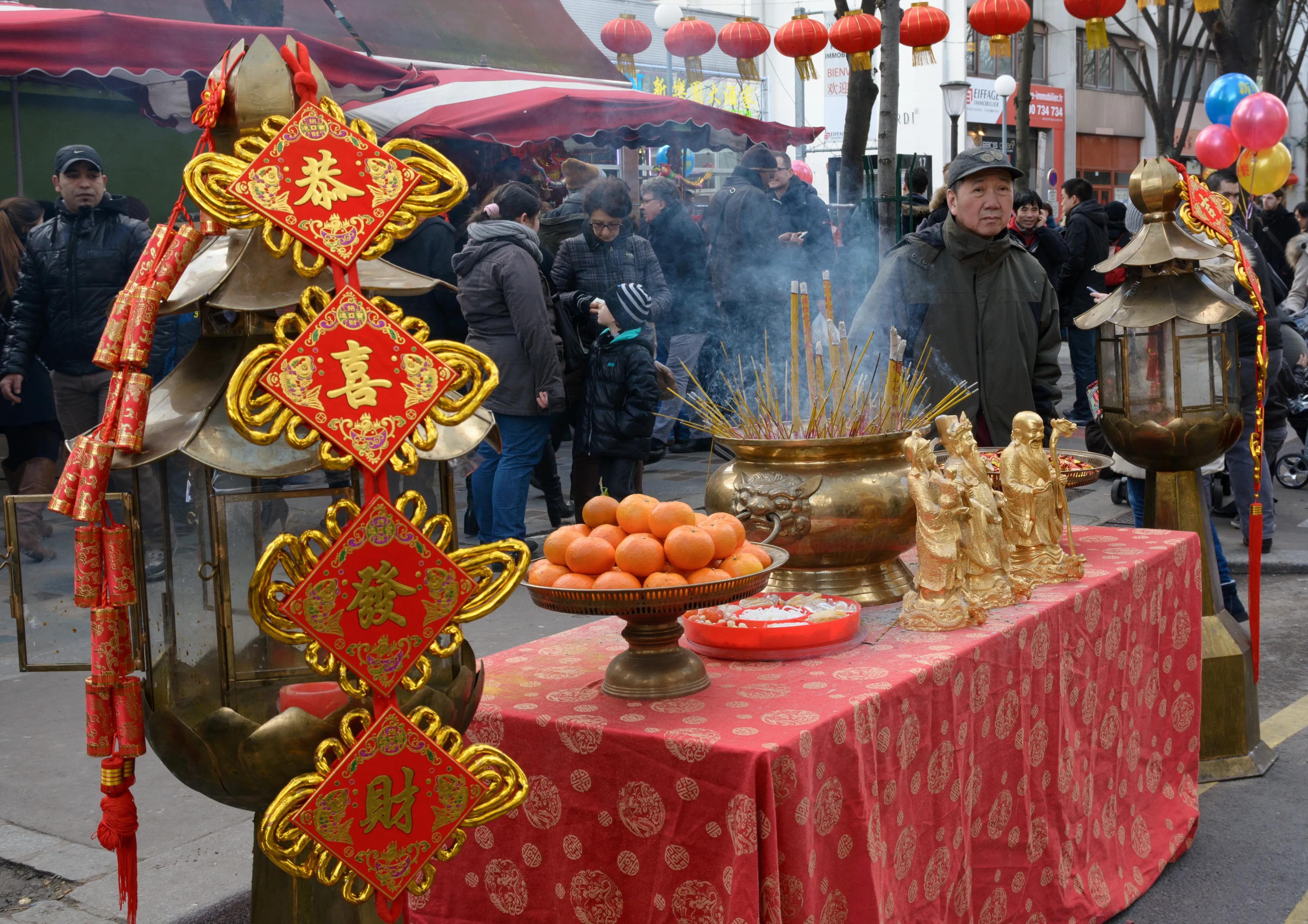
The Chinese New Year, known as the Spring Festival, is not just a holiday for those who celebrate the lunar calendar. This event, celebrated in various corners of the world, reflects the rich Chinese culture and its global influence. Every year, millions of people prepare to welcome the new cycle with ancestral traditions that go beyond simple celebration; it involves an opportunity to reflect on the past and plan for the future. In a context where cultural interconnectedness is increasingly relevant, what impact does this celebration have on the social and economic sphere globally?
Current Situation and Context
According to data from the Ministry of Culture of China, more than 1.4 billion people celebrate the Chinese New Year, making it the largest festival in the world. The celebrations begin on the first day of the lunar month and can extend up to 15 days, culminating with the Lantern Festival. In 2023, the festivities will start on January 22, marking the entry into the Year of the Rabbit. This event is not only significant in China; countries like Malaysia, Singapore, and Vietnam also celebrate with grand parades and cultural activities, generating a considerable economic impact on their respective tourism industries.
Analysis of Causes and Factors
The roots of the Chinese New Year date back more than 3,000 years, when rituals were performed to honor ancestors and ask for good fortune for future harvests. Over time, these traditions have evolved but maintain their essence: family unity and the hope for prosperity. Globalization has enabled these customs to transcend borders; today, cities like New York and London host large festivities that attract both residents and tourists. This cultural expansion reflects a phenomenon where local traditions can influence global identity.
International Comparison and Global Impact
Unlike the predominantly family-centered approach of the Chinese New Year, other celebrations such as the Gregorian New Year have a more commercial dimension in many Western countries. For example, in Japan, Shogatsu is celebrated, which also has deep cultural roots but focuses more on meditation and personal reflection. According to studies conducted by Statista, it is estimated that sales during the Chinese New Year festivities reach figures exceeding 150 billion dollars worldwide, highlighting its economic importance not only for China but also for the countries participating in these celebrations.
Implications and Consequences
The social impact of the Chinese New Year goes beyond the festivities; it fosters a sense of community among those who celebrate it. In Argentina, for example, the Chinese community has grown significantly in recent years, leading to an increase in cultural events that promote social integration. However, there are also economic implications: many local businesses see an increase in their sales during this period due to the massive purchase of typical products such as food and decorations related to the celebration. This generates a positive domino effect in various industries.
Strategic Perspective and Future Outlook
Looking ahead, it is likely that the Chinese New Year will continue to expand internationally. The opportunities for Argentine and international companies are vast; from traditional products to unique cultural experiences can be capitalized. However, there are risks associated with this expansion: maintaining cultural authenticity amidst growing commercialization can be a critical challenge. Fostering a balance between tradition and innovation will be key to ensuring that this celebration remains relevant both culturally and economically.
In conclusion, the Chinese New Year is much more than just a holiday; it is a global phenomenon that unites diverse cultures while generating significant economic and social impacts. As we enter this new lunar cycle, let us remember to celebrate not just with fireworks but also with reflections on how our traditions can enrich our shared present and future.

Comments