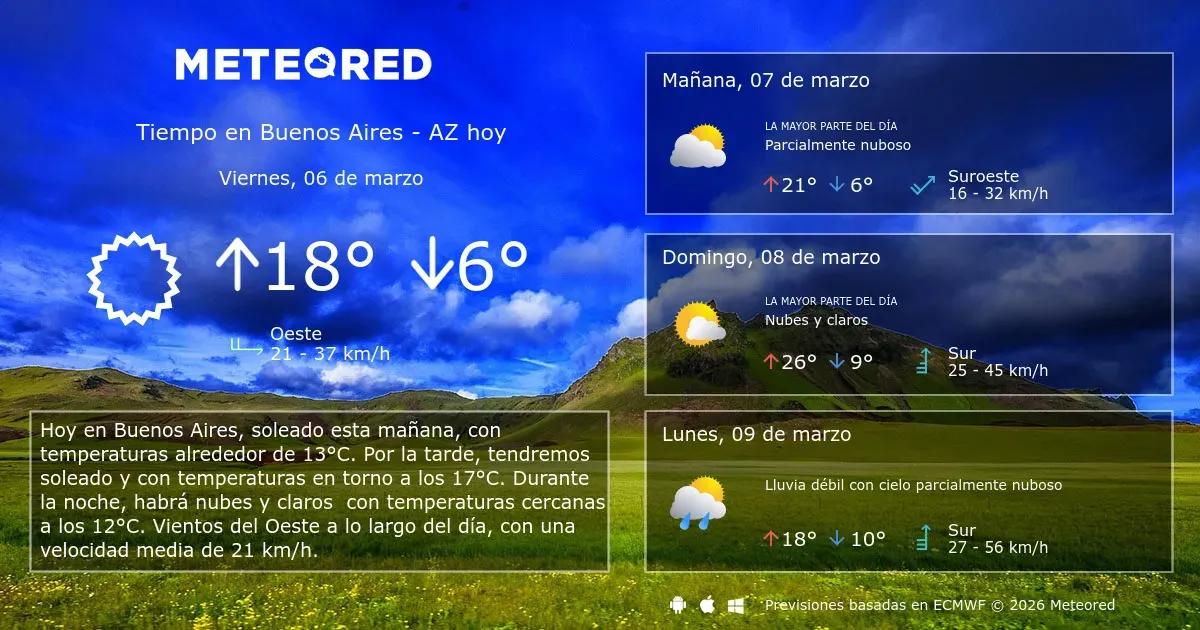
The climate, that phenomenon that sometimes seems like a capricious guest in our daily lives, has become a recurring topic of conversation. From heatwaves to torrential storms, its effects are palpable and urgent. In a context where climate change manifests with increasing intensity, it is essential to ask ourselves: what impact does the climate have on the daily lives of Argentines and how can we adapt? This reflection is not only relevant but vital for understanding the intersection between our environment and our economic and social decisions.
Current Situation and Context
Argentina faces a complex climate landscape. According to the National Meteorological Service (SMN), the country has experienced an average increase of 1.3°C in its temperature since 1900, with projections indicating an increase of up to 3°C by 2100 if no significant measures are taken. This change is not just a figure; it translates into longer droughts, devastating floods, and a threatened biodiversity. For example, the year 2023 recorded a 30% increase in the frequency of extreme weather events compared to the previous decade. These changes affect not only the environment but also the agricultural economy, one of the fundamental pillars of our country.
Analysis of Causes and Factors
The causes of climate change are multiple and complex. Argentina's dependence on fossil fuels and unsustainable agricultural practices has contributed to greenhouse gas (GHG) emissions. According to data from the Ministry of Environment, approximately 60% of emissions come from the agricultural sector, where deforestation and the excessive use of fertilizers are common practices. Furthermore, the lack of coherent environmental policies over the last few decades has hindered an effective response to this challenge. Historically, isolated initiatives have been implemented without a comprehensive strategy that encompasses both adaptation and mitigation of climate change.
International Comparison and Global Impact
Looking toward other countries, we find examples that can serve as guidance. In Sweden, for instance, aggressive policies have been implemented to reduce GHG emissions by 40% by 2020 compared to 1990, achieving economic growth at the same time. Unlike Argentina, where the debate on climate change still faces political resistance, Sweden has managed to unite various sectors around environmental issues. In Brazil, although it also faces serious climate challenges, it has developed successful programs to protect its Amazon that have significantly reduced deforestation. These international precedents show us that it is possible to move toward a sustainable future through coordinated policies and citizen participation.
Implications and Consequences
The implications of climate change are vast. From economic to social, the effects are already visible: droughts have caused millions in losses for crops such as soybeans and corn, affecting not only producers but also the end consumer with rising prices. According to a World Bank report, it is estimated that the economic cost of climate change could reach up to $100 billion annually by 2050 if adequate measures are not taken. Furthermore, the most vulnerable communities are the hardest hit; those who directly depend on the climate for their livelihoods face greater risks as extreme weather events become more frequent.
Strategic Perspective and Future Outlook
As we move toward an uncertain future marked by climate change, it is crucial to adopt a strategic perspective that considers both risks and opportunities. The transition to renewable energy presents not only an opportunity to reduce GHG emissions but also to generate sustainable employment in emerging sectors such as solar or wind energy. The development of climate-resilient infrastructure will be fundamental to mitigating negative impacts on our economy and society. Immediate implementation of public policies based on scientific evidence can make a significant difference: investing today means reaping benefits tomorrow.
In conclusion, the climate is not just a weather issue; it is a central topic that influences all aspects of our lives in Argentina. Collective action is necessary to face this global challenge with determination and innovation. The question now is: are we ready to act? 🌍

Comments