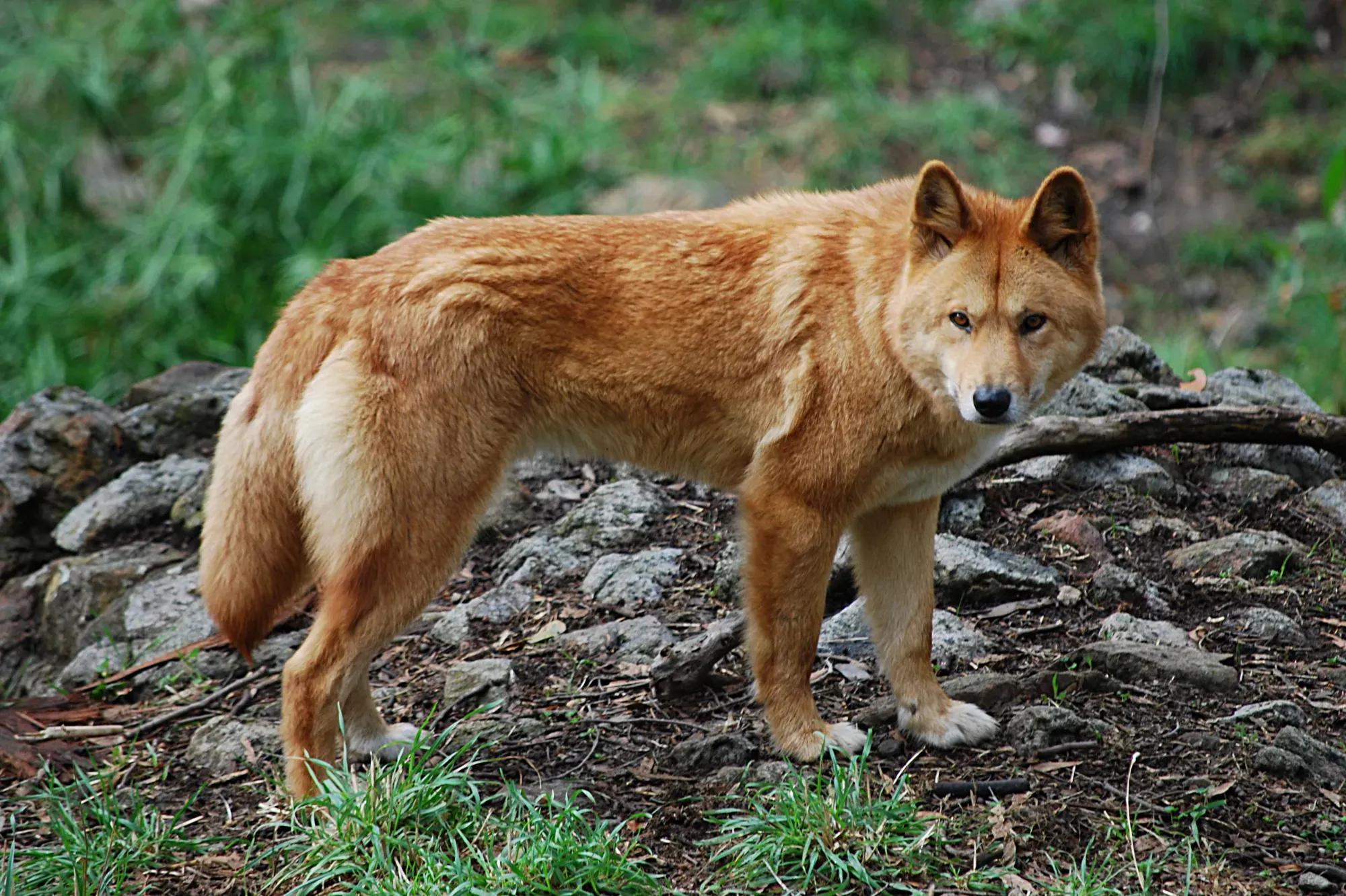
The presence of the dingo in Australia has generated intense debate regarding its status as a native species and its interaction with humans. This canid, which has been part of the Australian ecosystem for thousands of years, faces significant challenges due to human expansion and climate change. What implications does this have for local wildlife, and how does it relate to conservation policies? This analysis delves into the impact of the dingo, its historical and contemporary causes, as well as the lessons that can be learned on an international level.
Current situation and context
According to a report by the Australian Wildlife Conservancy, the dingo population has significantly decreased due to indiscriminate hunting and competition with domestic dogs. In 2022, it was estimated that there were fewer than 10,000 dingoes in the wild, an alarming figure representing a 30% drop compared to two decades ago. Furthermore, a study published by the University of Queensland revealed that 60% of the dingoes analyzed showed evidence of hybridization with domestic dogs. This situation not only affects the species itself but also the ecological balance in which they play a crucial role as predators.
Analysis of causes and factors
The decline of dingoes is the result of multiple interconnected factors. First, urban expansion has fragmented their natural habitat, forcing them to compete for limited resources. Massive urbanization in Australia has led to a loss of 50% of their original habitat since the 20th century. Additionally, government policies aimed at eradicating perceived "dangers" have encouraged indiscriminate hunting. Historically, dingoes have been demonized due to their relationship with livestock; however, recent studies suggest they are essential for controlling populations of species such as kangaroos and rabbits.
International comparison and global impact
The situation of the dingo is not unique; several countries face similar challenges with native species at risk due to human intervention. In the United States, for example, the gray wolf was nearly extinct in much of the country due to aggressive predator control policies. However, after decades of conservation efforts, its population has begun to recover in certain areas. This case highlights how appropriate strategies can reverse ecological damage. In comparison, Australia seems to lag in implementing effective measures to protect the dingo.
Implications and consequences
The social and ecological impact of the decline of the dingo is profound. From an economic standpoint, their natural control over other species could result in uncontrolled increases in some animal populations, affecting both the environment and local agricultural industries. According to a study by the Department of Agriculture in Australia, it is estimated that a larger kangaroo population could result in annual losses exceeding 100 million AUD for farmers. Moreover, culturally, dingoes are an integral part of Indigenous Australian heritage; their extinction would be an irreparable loss for Aboriginal communities.
Strategic perspective and future outlook
As Australia faces these complex challenges related to dingoes, it is crucial to adopt a more holistic approach to their conservation. The implementation of policies that promote coexistence between humans and dingoes could be key to maintaining a healthy population. This includes public education on the ecological importance of the dingo and stricter regulations regarding hunting and population control of domestic dogs. In the long term, fostering a balanced ecosystem can not only save the dingo but also restore the ecological balance that benefits all species involved.
In conclusion, the future of the dingo not only depends on local actions; it requires a global perspective on how we manage our interactions with all species on our planet. With every decision made today, we can pave the way towards a tomorrow where biodiversity is celebrated and protected.
---
The analysis presented here invites us to reflect on our relationship with nature and how our decisions affect not only species like the dingo but also the very fabric of our shared ecosystems. 🌍🐾

Comments