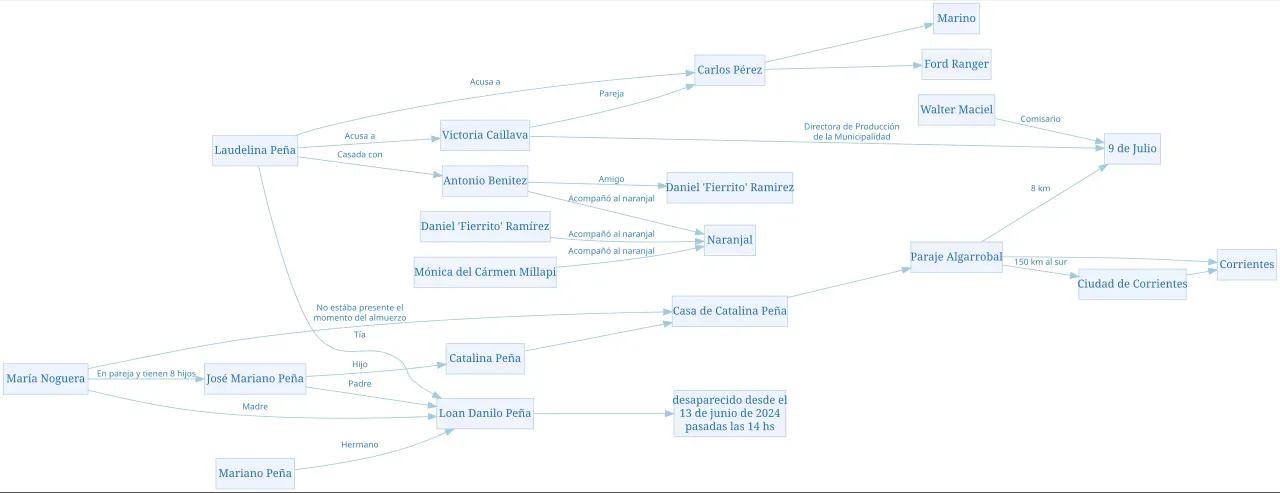
The disappearance of Loan Peña, an Argentine boy who was reported missing in June 2024, has triggered a series of reactions both locally and nationally. This case not only represents a personal tragedy for his family but also raises questions about the effectiveness of the institutions responsible for child safety and welfare in Argentina. As more than 18 months have passed since his disappearance, it is crucial to analyze the underlying causes, social and political implications, as well as the lessons that can be learned from this lamentable event.
📊 Current Overview
Since Loan Peña was reported missing, the case has captured public attention and generated a debate about child safety in Argentina. According to recent reports, more than 8,000 children are reported missing each year in the country, according to data from the Ministry of Social Development. However, only a fraction of these cases receives the necessary attention from the authorities. Loan's case has highlighted not only the lack of resources to search for the missing but also the widespread distrust towards the institutions responsible for ensuring public safety. The active search for the boy was recently resumed following new testimonies, underscoring the urgent need for a more effective and coordinated strategy in these cases.
🔍 Analysis of Causes and Factors
The disappearance of Loan Peña can be seen as a symptom of deeper structural problems within the Argentine social system. First, the socioeconomic context must be considered: according to INDEC, 40% of children in Argentina live in poverty. This reality increases child vulnerability and can result in situations where children are exposed to greater risks. Additionally, there is a chronic lack of resources allocated to programs aimed at preventing violence and child abuse. This is compounded by an inadequate legal framework that hinders a swift and effective response to critical situations like this one.
🌍 International Comparison and Global Impact
The case of Loan Peña is not unique; other countries also face similar challenges regarding child disappearance. For example, in Sweden, where effective policies have been implemented to address this issue, significantly lower rates are recorded due to a proactive approach that involves both authorities and community organizations. In 2019, Sweden reported fewer than 500 annual cases compared to the thousands recorded in Argentina. This contrast highlights how a comprehensive strategy can make a significant difference in managing and preventing child disappearances.
⚖️ Implications and Consequences
The implications of Loan's case go beyond individual pain; they profoundly affect social trust in Argentine institutions. The widespread perception is that these entities are not fulfilling their essential duty: to protect the most vulnerable citizens. This can lead to increased social discontent and further erosion of the social capital necessary to foster safe and cohesive communities. Moreover, each unresolved disappearance contributes to the overall climate of insecurity that affects both citizens and potential investors, which has direct economic repercussions.
📈 Strategic Perspective and Future Outlook
As we move towards an uncertain future, it is essential to rethink strategies to address not only Loan Peña's specific case but also other similar ones. The urgent implementation of public policies focused on child protection must take priority. This includes increasing funding for educational programs on child safety and strengthening collaborations between various public institutions and non-governmental organizations (NGOs). While there are risks associated with implementing structural changes—such as political resistance or lack of resources—there are also significant opportunities to restore public trust and substantially improve child safety in Argentina.
In conclusion, Loan Peña's disappearance raises critical issues related to child safety and the role of the state. It is imperative to act decisively to prevent tragedies like this from recurring in the future; Argentina needs effective responses not only to save lives but to rebuild a social fabric damaged by years of institutional distrust.
Comments