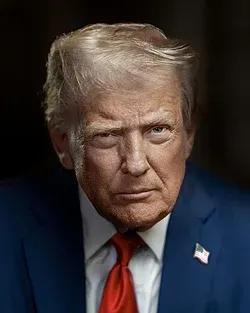
Donald Trump's figure has undoubtedly been one of the most disruptive political phenomena of the 21st century. Since his arrival at the White House in 2017, his decisions have resonated not only in the United States but on the international stage. What implications do his policies have on the global economy? How has his approach transformed the perception of American leadership? As the 2024 elections approach, it is essential to analyze his legacy and the consequences he has left on the global political and economic fabric.
📈 Current Situation and Context
Since Trump left the presidency in January 2021, his influence remains present in American politics. According to a study conducted by the Pew Research Center, 70% of Republicans still support his approach and leadership. Economically, his administration implemented a series of fiscal policies that led to a 2.9% GDP growth in 2018, although it also increased the national debt to over $27 trillion. These figures show a period marked by sustained growth accompanied by growing concerns about fiscal sustainability. Additionally, the tariffs imposed on Chinese products created trade tensions that had a global impact, affecting supply chains and prices.
🔍 Analysis of Causes and Factors
Trump's economic policies were primarily based on economic nationalism and protectionism. The decision to withdraw the United States from the Trans-Pacific Partnership (TPP) and renegotiate the North American Free Trade Agreement (NAFTA) were clear reflections of his strategy to prioritize American interests over multilateral agreements. Historically, this stance is reminiscent of moments like the Great Depression, where protectionism exacerbated global economic tensions. Immediate consequences included a drop in global trade; according to data from the World Bank, international trade contracted by 5.3% in 2020 due to these policies.
🌍 International Comparison and Global Impact
The impact of Trump's decisions can be compared to other populist leaders around the world. In Brazil, Jair Bolsonaro adopted a similar approach by prioritizing national interests over international treaties. However, while Brazil experienced a deep recession during the pandemic, the United States managed to recover more quickly thanks to the massive fiscal stimulus implemented by the Biden administration after Trump left. Additionally, countries like Mexico faced significant challenges due to trade tensions; according to data from INEGI, Mexican exports to the U.S. fell by 8% during 2020.
⚖️ Implications and Consequences
The decisions made during Trump's presidency have left an indelible mark on the global economy and on the perception of American leadership. The political polarization he fostered has led to a tense social climate within the country; according to surveys conducted by Gallup, the trust index in government institutions reached historic lows during his term. This affects not only the United States internally but also its position as a world leader; many countries view with suspicion a return to unilateralism after Trump's term.
🔮 Strategic Perspective and Future Outlook
As we approach the 2024 presidential elections, it is crucial to observe how this political narrative will unfold. If Trump decides to run again or if his policies continue to influence other Republican candidates, it could radically change the political and economic landscape not only in the U.S. but also globally. The lessons learned about protectionism and economic nationalism must be considered by future leaders to avoid repeating past mistakes. In the long term, it is likely that Trump's economic legacy will generate intense debates on how to balance national interests with the pressing need for international cooperation to address global challenges such as climate change or future pandemics.
In summary, Donald Trump has been more than a mere president; he has represented a profound transformation in how political and economic power is conceived in an increasingly interconnected yet divided world. His legacy invites reflection on what kind of leadership we want to face current and future challenges: an isolationist approach or one that seeks to build bridges? The answer could determine the course not only for the United States but for the entire planet.
---

Comments