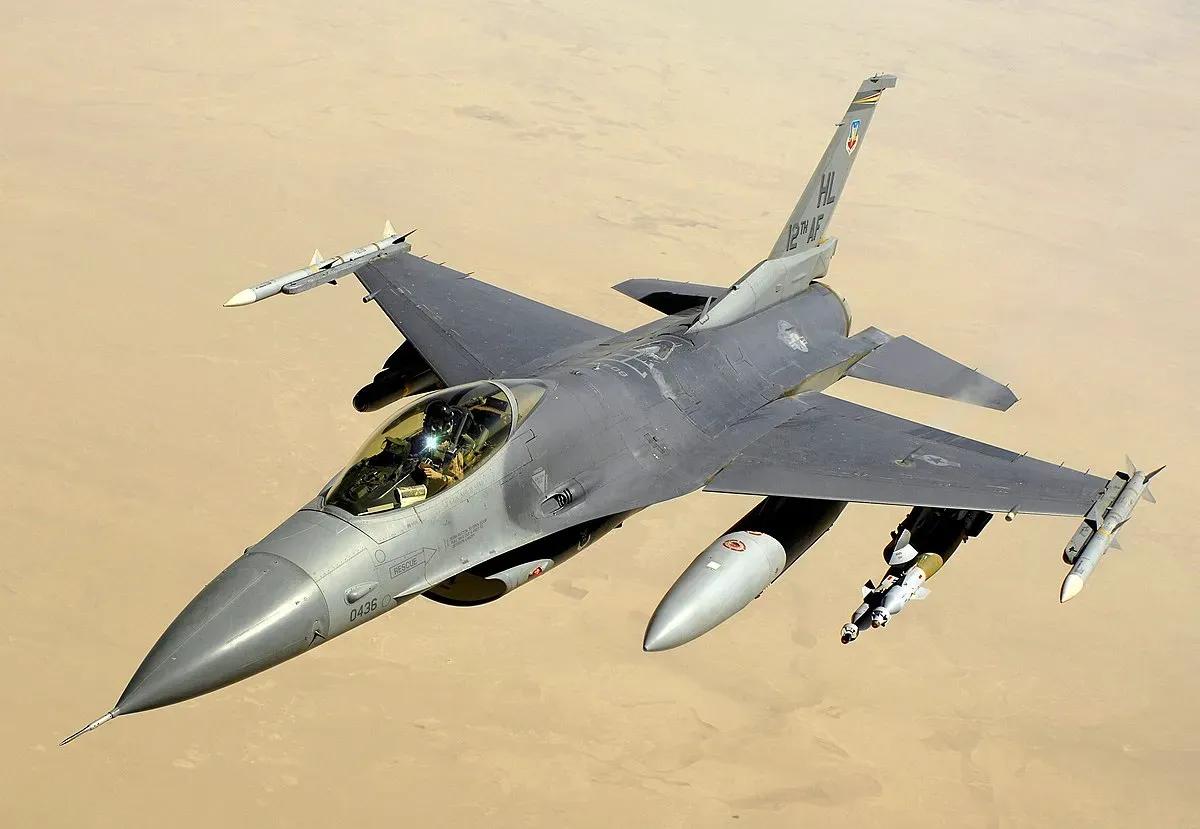
The recent exhibition of F-16 combat aircraft in Argentina has reignited the debate over the country's national defense and international policy. This type of aircraft, known for its versatility and combat capability, represents not only an improvement in military capabilities but also a symbol of political alignment with certain powers. The central question is: how will these planes influence Argentina's defense strategy and its position within the regional geopolitical context? This analysis seeks to unravel the implications of this acquisition, both nationally and internationally.
🛩️ Current Overview
Argentina has taken significant steps to modernize its armed forces, including the purchase of 24 F-16 aircraft. According to official information, the total cost of the deal amounts to 700 million dollars, which represents a considerable investment given the context of the Argentine economy, facing a projected inflation rate of 140% for 2023, according to the Central Bank. This modernization occurs in an environment where other Latin American countries are also strengthening their military capabilities; for example, Brazil has heavily invested in its air fleet, including Embraer KC-390 aircraft. The need for a modern air force becomes urgent in an increasingly tense international context.
🌍 International Comparison
Historically, countries like Chile and Colombia have opted to acquire advanced military technology to strengthen their defenses. In Chile, for example, the incorporation of F-16 aircraft in 2005 not only allowed for operational improvements but also established a strategic alignment with the United States. In contrast, Argentina has faced budgetary constraints that have limited its ability to maintain a competitive air force. However, by opting for the F-16s, Argentina seeks to level the playing field with its neighbors in terms of military capability. In 2022, Argentina's military spending was 1.2% of GDP, significantly lower than Brazil's 2.5% and Colombia's 3%. This difference underscores the urgent need for strategic investments to avoid lagging in a changing regional environment.
⚖️ Implications
The acquisition of the F-16s has multiple implications for Argentina. Firstly, it strengthens defensive capabilities against potential external threats and provides the armed forces with modern tools for intercontinental missions and joint operations with strategic allies like the United States. However, it also raises questions about the prioritization of public spending; with a crisis-stricken economy and pressing social needs — 40% of the population lives below the poverty line — it is critical to assess whether this investment can be justified against other national priorities. Furthermore, this purchase could exacerbate tensions with neighboring countries that may interpret it as a provocative act.
📈 Future Strategy
Looking ahead, Argentina must develop a clear strategy that integrates this new military capability within its foreign policy and diplomatic relations. Cooperation with traditional allies will be essential; however, there must also be a balanced approach that considers regional stability and avoids unnecessary arms races. Lessons learned from other countries suggest that it is crucial to establish multilateral dialogues to prevent misunderstandings or escalating conflicts. For example, following Chile's military modernization in previous years, bilateral forums were promoted that helped mitigate tensions in the region.
In conclusion, while the F-16s may strengthen Argentina's defensive capabilities and enhance its international status as an emerging military power, it is vital that this decision is accompanied by rigorous analysis of its economic and social implications. Argentina does not need more band-aids; it needs a clear direction towards a future where security and social development go hand in hand.
Comments