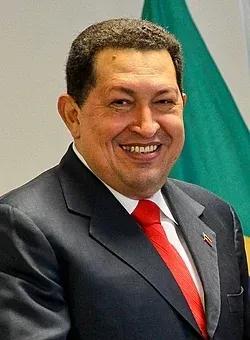
The figure of Hugo Chávez, president of Venezuela from 1999 until his death in 2013, remains a topic of intense debate. His legacy is marked by a polarization that affects both the politics and the economy of the country. What is the current impact of his policies, and how do they compare to the challenges Venezuela faces today? This analysis seeks to explore the consequences of his government in the contemporary context and how his legacy influences the current political and economic structure.
📊 Current Overview
Since Chávez's death, Venezuela has faced an unprecedented economic crisis, characterized by hyperinflation that reached 3,000% in 2022, according to the International Monetary Fund (IMF). Additionally, there has been a drastic decrease in Gross Domestic Product (GDP), which contracted 75% between 2014 and 2021. Oil production, which accounts for more than 90% of exports, has fallen to alarming levels, dropping below 700,000 barrels per day in 2023. This situation has led millions of Venezuelans to flee the country, creating a migration crisis that has affected all of Latin America.
🔍 Analysis of Causes and Factors
The policies implemented by Chávez during his term, known as "21st Century Socialism," aimed to redistribute wealth and increase access to basic services. However, these policies also led to excessive dependence on oil and weakened state institutions. According to a World Bank report, the lack of economic diversification significantly contributed to the country's vulnerability to fluctuations in the oil market. Moreover, state control over prices and production generated economic distortions that have persisted even after his death.
🌍 International Comparison and Global Impact
The Venezuelan case presents similarities with other Latin American nations that have experienced economic crises under populist regimes. For instance, Argentina also faced severe economic crises after implementing similar policies during Peronist governments. In 2001, Argentina experienced an economic collapse that resulted in unsustainable public debt and a yearly hyperinflation of 40%. In contrast, Chile has achieved economic stability through structural reforms that fostered private investment and diversified its economy; an approach that could serve as a reference for Venezuela if it seeks to emerge from its current crisis.
📉 Implications and Consequences
The implications of Chávez's legacy are profound not only for Venezuela but also for the entire region. The resulting humanitarian crisis has led to a massive exodus; more than 7 million Venezuelans have left the country since 2015. This generates tensions in neighboring countries like Colombia and Peru, which must manage the increasing migration flows. Additionally, political polarization within Venezuela has been exacerbated by the cult of personality surrounding Chávez, complicating any serious attempt at national reconciliation or institutional reform.
🔮 Strategic Perspective and Future Outlook
Looking ahead, Venezuela faces significant challenges if it wishes to regain its economic and political stability. It is imperative to adopt strategies that promote economic diversification and strengthen democratic institutions. The reconstruction of the country will require not only international investment but also trust between citizens and their political leaders. However, the path forward will be fraught with risks; potential external intervention or continued internal struggles could further complicate the situation.
In conclusion, although Hugo Chávez left an indelible mark on Venezuela, his legacy is a clear reminder of how populist policies can have lasting adverse effects on a country's economic and social structure. Without significant change in strategic direction, Venezuela may remain trapped in a vicious cycle that impedes its sustainable development.
Comments