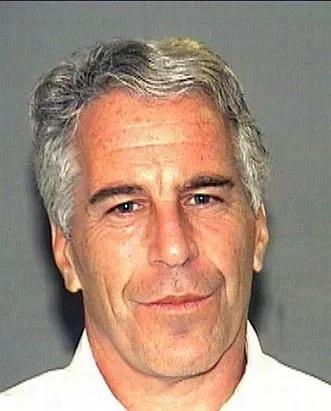
The case of Jeffrey Epstein has resonated in the political and social sphere, especially following the revelation of his sex trafficking network that involved numerous influential figures. This phenomenon not only raises questions about power and corruption but also about the functioning of the institutions that are supposed to protect citizens. How does this situation affect the public perception of justice and governance? In a context where power structures are being questioned, it is crucial to analyze the repercussions of the Epstein case and its contemporary relevance.
📈 Current Landscape
Since his death in 2019, the Epstein case has revealed a complex web involving political figures, celebrities, and businesspeople. According to a report by The New York Times, over 3 million documents have come to light, including emails linking Epstein to figures like former President Donald Trump and Prince Andrew of the United Kingdom. This situation has generated increasing distrust in the judicial institutions, which have been accused of complicity or ineffectiveness in addressing cases of systematic sexual abuse. The lack of accountability has led to public protests and calls for deeper reforms in the U.S. judicial system.
🔍 International Comparison
The management of the Epstein case can be compared to other international scandals that have revealed networks of abuse and corruption. For example, in Sweden, the case of rapper A$AP Rocky highlighted failures in the judicial system when he was wrongly accused of assault. However, Sweden implemented reforms that increased judicial transparency and improved the protection of human rights. In contrast, countries like Russia have faced criticism for their lack of action in similar cases, where elites are protected by an opaque system. This suggests that an effective institutional response is fundamental to restoring public trust.
⚖️ Implications
The consequences of the Epstein case are profound and encompass multiple social and political dimensions. At the social level, the debate surrounding the culture of silence surrounding sexual abuse has intensified, leading movements like #MeToo to gain global momentum. Politically, there is increasing pressure on leaders to implement stricter measures against human trafficking and sexual abuse. According to a study conducted by UNODC, an estimated 2 million people are victims of human trafficking annually worldwide; this underscores the urgent need for effective policies that address this issue.
🌍 Global Context and Future
As new investigations related to Epstein unfold, we are likely to see significant changes in how governments address these issues. In countries like Canada, stricter laws have been enacted to combat human trafficking following similar scandals. International experience indicates that reforms must be accompanied by a profound cultural change to eradicate harmful practices. The future will depend not only on how these legal cases are managed but also on societal commitment to changing narratives about power and impunity.
The legacy left by Jeffrey Epstein continues to be relevant not only because of his criminal acts but also because of what it represents in terms of institutional accountability and social justice. The central question remains: will these scandals be sufficient to provoke real change in our societies? The answer will require a collective commitment to transparent and inclusive governance.
🚀 Final Reflections
In conclusion, the Epstein case compels us to confront uncomfortable realities about power, abuse, and justice. It is imperative to learn lessons from both the past and the present to build a future where such abuses are neither tolerated nor covered up. History shows us that without strong institutions, there can be no trust; without trust, there is no investment or sustainable social development. Therefore, it is essential to foster informed dialogues and effective strategies to transform our political and social reality towards a more just and equitable direction.
Comments