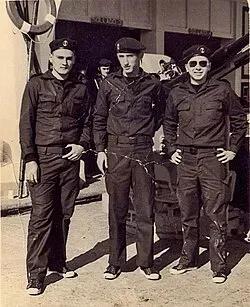
The military service has been a controversial issue in Argentina, especially in the current context of social and political tensions. The central question that emerges is: what is the relevance of military service in building a more cohesive and defensive society? In a country that has gone through economic crises and profound political changes, the discussion about military service becomes crucial. The recent proposal to reintroduce mandatory military service has sparked an intense debate about its social, economic, and political implications, as well as its potential to strengthen national identity.
📊 Current landscape
According to data from the Ministry of Defense of Argentina, in 2023, the number of young people who signed up for voluntary military service was approximately 10,000, a figure that represents a 30% decrease compared to previous years. This decline can be attributed to several factors, including the negative perception of the armed forces following the dark episodes of the military dictatorship (1976-1983) and the lack of attractive incentives for young people. Additionally, recent surveys indicated that only 25% of Argentines support the reintroduction of mandatory military service. This context reveals a complex landscape where the armed forces face significant challenges in capturing the interest and trust of new generations.
🔍 Analysis of causes and factors
The reasons behind the disinterest in military service are multifaceted. First, there is a historical legacy marked by repression and human rights violations during the last dictatorship. This has generated a stigma associated with the armed forces that persists to this day. Second, the change in labor and social dynamics has led many young people to prioritize education and employment over military duty. According to data from INDEC, youth unemployment reached 18% in 2023, which increases the pressure on young people to find economic stability before participating in military activities. Lastly, the lack of a clear policy linking military service with tangible benefits —such as education or employment— contributes to this disinterest.
🌍 International comparison and global impact
Compared to other countries, Argentina presents a unique approach to military service. For example, countries like Sweden have reintroduced mandatory military service since 2017 due to concerns about national security and collective defense; approximately 4% of young people are recruited annually. In turn, Israel has one of the most rigorous systems; all citizens must serve for three years, strengthening their social cohesion and sense of belonging. These comparisons suggest that a proactive approach to military service can not only increase the country's defensive capacity but also foster a stronger sense of community among its citizens.
⚠️ Implications and consequences
The reintroduction or strengthening of military service could have various social and political implications in Argentina. On one hand, it could contribute to building a more robust national identity among young people by fostering values such as discipline and teamwork. However, it could also generate significant social resistance due to the negative legacy associated with the armed forces. Furthermore, this measure is likely to create political tensions between those who advocate for greater civic participation and those who promote a more traditionalist view of patriotism.
From an economic perspective, investing resources in military training could be seen as a distraction from more urgent issues such as inflation (which reached almost 40% in 2023) or the aforementioned youth unemployment. The priority should focus on creating favorable conditions for young people to fully develop without needing to resort to military service as the only viable option.
🔮 Strategic perspective and future outlook
The future of military service in Argentina will largely depend on how these historical and contemporary issues are addressed. It is essential to establish a clear framework linking military service with real opportunities for young people —such as vocational training or priority access to higher education— to attract their interest. Furthermore, it is crucial to promote a positive narrative about the armed forces based on democratic and humanitarian values.
As we move toward 2024, it will be essential to evaluate whether significant reforms are implemented both within the army and in public policies related to youth. The search for a social consensus around the issue will be key to avoiding further divisions within the Argentine social fabric.
In conclusion, as Argentina navigates these complex challenges related to military service, it is vital to adopt a balanced approach that considers both the lessons learned from the past and the future needs of the country. The way forward should be grounded not only in defensive necessity but also in building a more inclusive and cohesive society where every young person can find their place without giving up their personal aspirations or collective development.
Comments