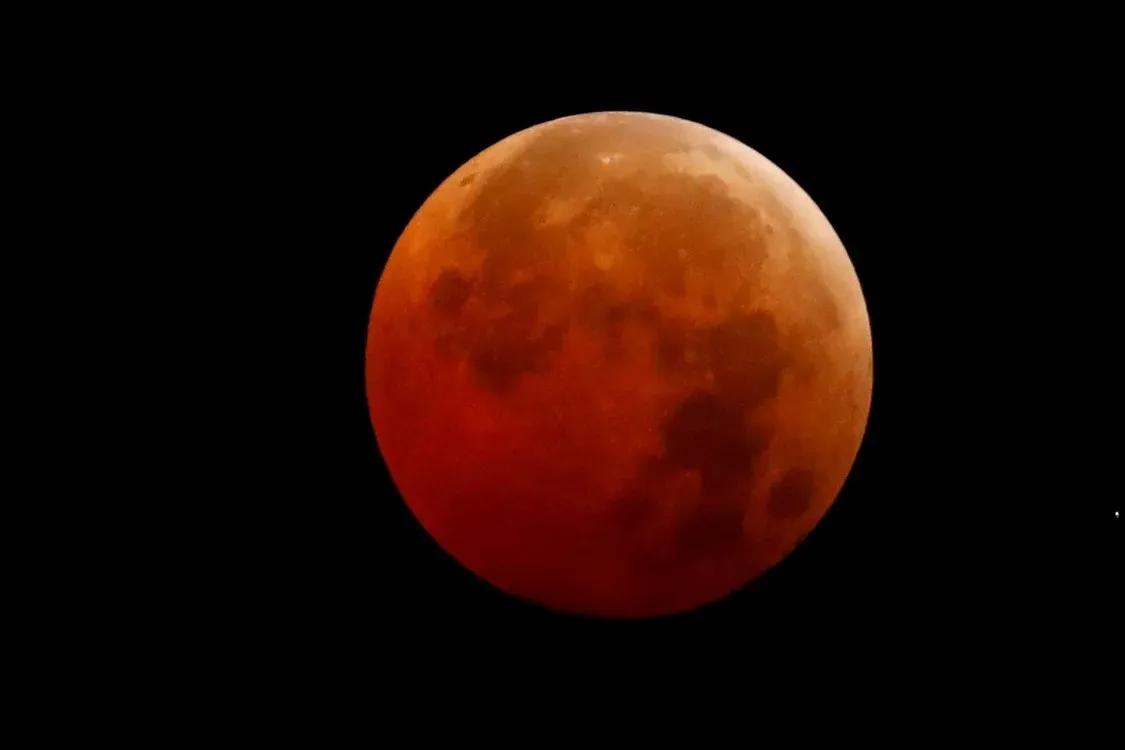
The lunar eclipse, that magical moment when the Earth interposes itself between the Sun and the Moon, has fascinated humanity since time immemorial. But beyond the beauty of the phenomenon, why is it important to analyze it today? In a world where astronomical events can seem like merely a visual spectacle, the lunar eclipse invites us to reflect on our connection to the cosmos and how these phenomena have influenced societies throughout history. In this article, we will explore not only the scientific context behind the lunar eclipse, but also its cultural, social, and political implications.
Current situation and context
On March 3, 2026, a total lunar eclipse will occur, popularly known as the "Blood Moon." This astronomical event will be visible in much of the American continent. According to NASA, during this phenomenon, the Moon will take on a reddish hue due to the refraction of sunlight in the Earth's atmosphere. This eclipse will be the first of the year and will mark a series of celestial events that have captured the attention of both astronomers and the curious. In Argentina, similar events have been reasons for local celebrations, reflecting a cultural connection to the sky that transcends generations.
Analysis of causes and factors
The fascination with lunar eclipses is not a coincidence; it has deep roots in our civilizations. Historically, these phenomena have been interpreted as omens or divine messages. In many Latin American indigenous cultures, it was believed that an eclipse was a sign of change or a warning. For example, the Mayans considered eclipses to be opportune moments to carry out important rituals. This connection between the celestial and the earthly highlights how astronomical events have influenced social and political decisions over time. Furthermore, modern interest in eclipses also reflects our innate need for wonder and understanding of the universe we inhabit.
International comparison and global impact
Looking at other countries, we notice different approaches to lunar eclipses. In the United States, for example, eclipses are often accompanied by massive events where thousands gather to observe them together; this fosters a sense of community and shared fascination. Meanwhile, in Japan, festivals that combine science and cultural tradition are organized during eclipses, promoting both learning and collective celebration. These precedents show how different societies take advantage of these moments to unite communities and foster interest in science and culture.
Implications and consequences
The social impact of the lunar eclipse can be significant. In Argentina, where astronomical traditions are deeply rooted in various indigenous communities, such events can serve as a powerful reminder of our ancestral connections to the sky. Additionally, with the rise of social media, these phenomena offer an opportunity to generate conversations about science and culture. Digital platforms allow for real-time experience sharing, creating a global network of observers that transcends geographical borders. However, it is also crucial to consider the environmental implications; as we marvel at these celestial spectacles, we must remember our role in taking care of our planet.
Strategic perspective and future outlook
Looking ahead, we can anticipate that lunar eclipses will continue to be key moments for reflecting on our relationship with the universe. As we move toward an uncertain future marked by rapid climatic and technological changes, these events can serve as reminders to value our connection to the natural world. Educational strategies should include more content about astronomy in schools to cultivate a lasting interest among new generations. Science should not only be understood; it should be appreciated as an integral part of our cultural existence.
The upcoming Blood Moon is not just a visual spectacle; it is an opportunity to reconnect with our cultural roots and reflect on our place in the cosmos. So prepare your telescopes or just step outside to gaze at the sky: each eclipse reminds us how small we are in the face of the vastness of the universe.
---
I hope this in-depth analysis has provided you with new perspectives on the phenomenon of the lunar eclipse and its current cultural and social relevance. ✨

Comments