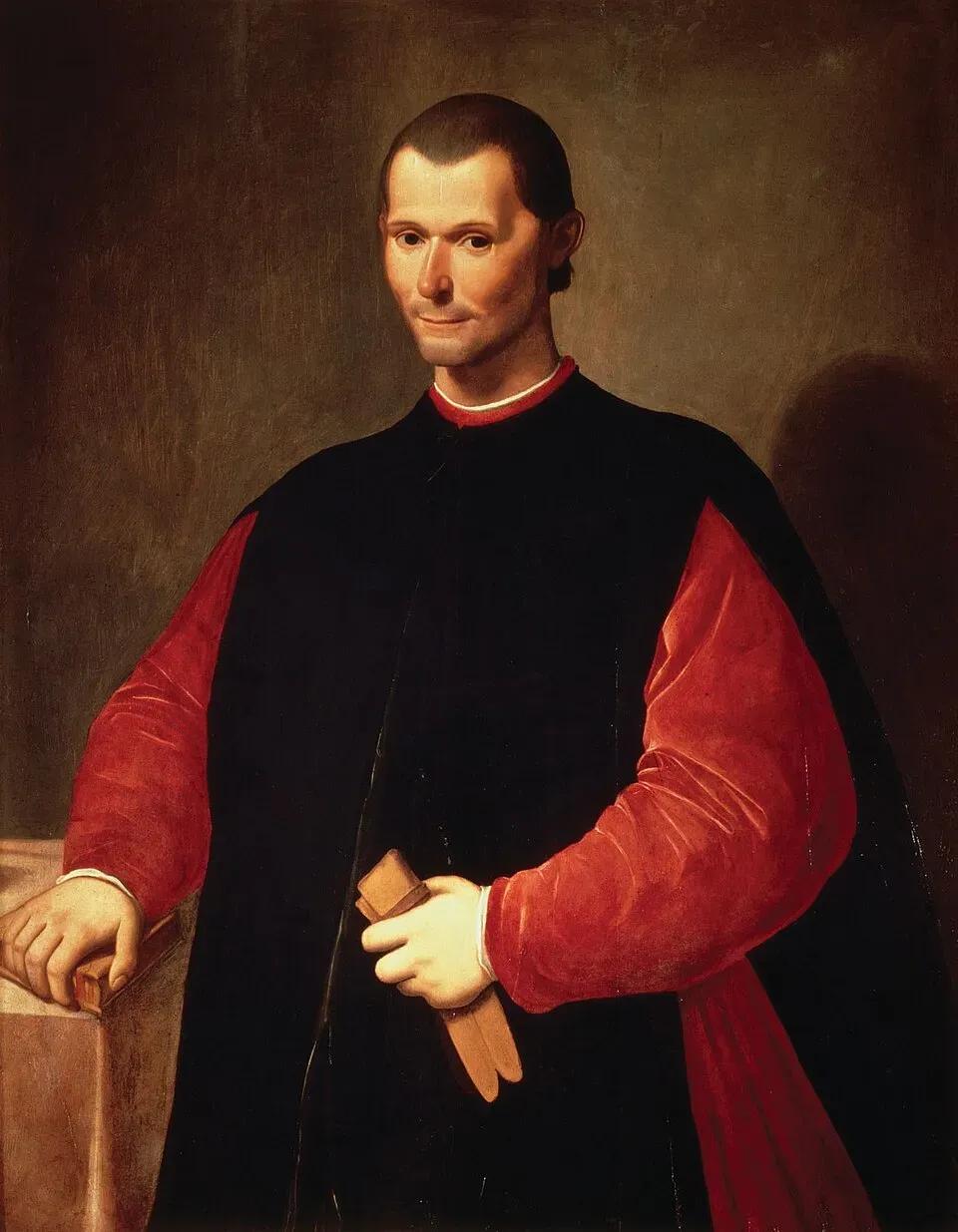
The figure of Niccolò Machiavelli has resurfaced in contemporary political debate, driven by his analysis of power and governance. The central question that emerges is: what lessons can be drawn from his work in the current context? In a world where leadership crises and democratic challenges are increasingly evident, Machiavellian ideas offer a critical perspective on the nature of power and politics. This analysis is crucial for understanding how his legacy may influence current political strategies and social dynamics.
📊 Current Landscape
In recent years, there has been an increase in references to Machiavelli by political leaders and analysts. According to a survey conducted by the Pew Research Center, 70% of respondents in several European countries believe that leaders should be pragmatic and not necessarily moral. This trend is reflected in the use of phrases like "the end justifies the means," attributed to Machiavelli, which resonates with the controversial decisions made by various governments. In Latin America, for example, several leaders have adopted political tactics that could be considered Machiavellian to consolidate their power, inviting a deep reflection on the ethical implications of these actions.
🔍 International Comparison
The Machiavellian approach to power is not exclusive to 16th-century Italy; its application can be observed globally. In China, the doctrine of "socialism with Chinese characteristics" implies a pragmatism similar to that advocated by Machiavelli, where the Communist Party prioritizes social stability over individual freedoms. According to World Bank data, China has maintained an average annual economic growth of 6% over the past two decades, despite criticisms regarding human rights and democracy. On the other hand, in the United States, political figures like Donald Trump have utilized populist strategies that reflect a Machiavellian approach in their pursuit of popular support, resulting in deep divisions within society.
⚖️ Implications
The teachings of Machiavelli have profound implications for modern politics. His emphasis on efficacy and pragmatism can lead to decisions that prioritize immediate results over ethical principles. This translates to a potential weakening of democratic institutions. In Argentina, for instance, we have seen how political leaders have resorted to populist tactics to win elections, resulting in a cycle of polarization and economic instability. According to data from INDEC, inflation reached 40% annually in 2023, exacerbated by short-term political decisions that ignore necessary structural reforms.
📈 Strategic Perspective and Future Outlook
Looking ahead, it is essential to consider how Machiavellian ideas can be interpreted and applied in democratic contexts without compromising fundamental values. The lessons learned must focus on balancing efficacy with ethics. Current leaders should reflect on how their decisions impact not only the short term but also the long term in terms of public trust and institutional integrity. History has shown that authoritarian regimes often collapse under their own weight; thus, a sustainable political strategy must include elements of transparency and accountability.
In conclusion, while Machiavelli offers valuable tools for understanding modern political power, it is crucial to apply his teachings with caution and responsibility. The balance between pragmatism and ethics will be decisive for navigating contemporary political challenges and ensuring a more stable and just future for all.
Comments