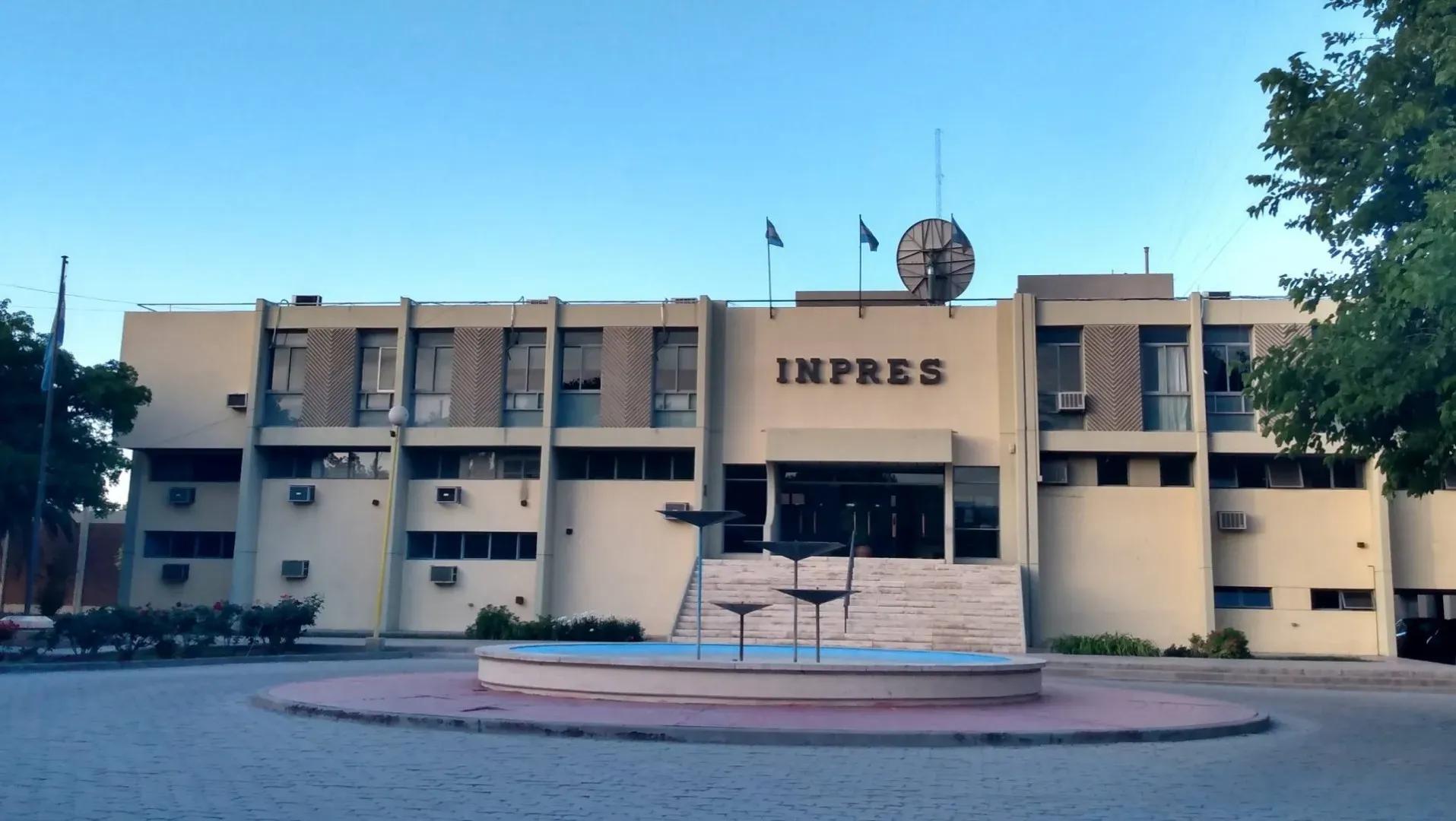
Seismic activity is an unavoidable reality for many countries, especially for those located in high vulnerability zones. In this context, the National Institute of Seismic Prevention (INPRES) stands out as a key entity in Argentina, responsible for researching and developing strategies to mitigate the effects of earthquakes. Why is its work so crucial today? In a country where the seismic history has left indelible marks, the role of INPRES becomes a beacon guiding public policies and social awareness regarding seismic prevention. This analysis aims to unravel its impact, the causes that motivate it, and how it compares to other countries also facing this challenge.
Current situation and context
Argentina is located in a geographically active region, with historical records of significant earthquakes. According to data from INPRES, the country experiences more than 1,500 earthquakes per year, some of considerable magnitudes. In particular, the Mendoza earthquake in 1944 resulted in a tragic toll of 10,000 deaths and numerous material damages. This context highlights the importance of INPRES's work, which since its establishment in 1970, has been at the forefront of seismic research and the implementation of safety protocols. The increasing urbanization and population density in vulnerable areas further enhance the need for effective strategies to protect the population.
Analysis of causes and factors
The constant increase of the population in earthquake-prone areas can be attributed to various economic and social factors. Many citizens are forced to reside in these zones due to limited job opportunities in other regions. Additionally, the lack of education about seismic risks contributes to a misunderstanding regarding the structural safety of buildings. A study conducted by INPRES revealed that more than 60% of buildings in seismic zones do not meet adequate construction standards. This highlights a significant challenge: it is not only about preventing earthquakes but also educating and preparing the population to respond to them.
International comparison and global impact
On an international level, countries like Japan and Chile have developed robust programs to face natural disasters. For example, Japan has an advanced seismic monitoring system that includes early alerts allowing citizens to take preventive measures before the impact. According to the Japanese National Seismological Center, this system has proven effective in reducing fatalities during significant seismic events. In comparison, Argentina is still developing its preventive infrastructure; although INPRES has made considerable progress, gaps still exist that need to be addressed to meet international standards.
Implications and consequences
The implications of INPRES's work are multiple: from safeguarding lives to protecting material assets and critical infrastructure. The lack of adequate measures can result in significant economic losses; for example, the estimated cost of the Mendoza earthquake was equivalent to 30% of the provincial GDP at that time. The social consequences are equally severe: collective psychological trauma can arise after devastating seismic events, affecting entire generations. Therefore, strengthening INPRES's capacities is essential not only to improve structural safety but also to foster a preventive culture among Argentines.
Strategic perspective and future outlook
Looking ahead, it is vital for Argentina to continue investing both financial and human resources in strengthening INPRES. Opportunities are present: developing innovative technologies such as mobile applications for early alerts or community educational programs about seismic prevention can make a significant difference. However, risks also exist; the lack of political continuity could divert essential resources to less urgent areas. Just as a good architect does not ignore the foundations when building a solid structure, Argentina must base its seismic strategy on solid scientific knowledge and coherent public policies.
In conclusion, the role of INPRES is fundamental not only for its technical capacity but also for its potential to raise social awareness regarding seismic risks. History has taught us that ignoring these realities can have devastating consequences; however, investing now in prevention can save lives tomorrow. It is time to build a safer future! 🌍✨

Comments