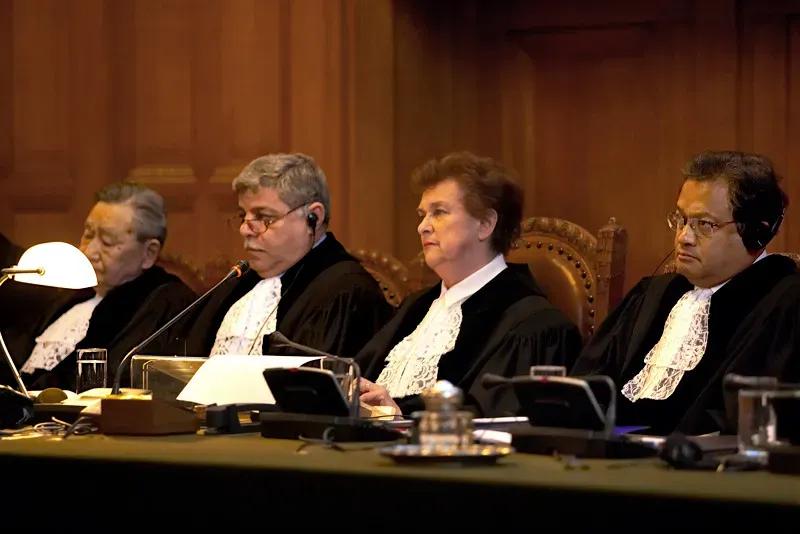
The role of the judge is fundamental in any democracy, as their work not only involves resolving conflicts but also safeguarding the fundamental rights of citizens. In the current context of Argentina, where significant economic and social crises have emerged, the role of the judge becomes even more critical. This analysis seeks to answer the question: how does the performance of the judicial power influence the social and economic stability of the country? The importance of this issue lies in that an efficient judicial system can be a pillar for public trust and, therefore, for investment.
📊 Current situation and context
According to the National Institute of Statistics and Censuses (INDEC), inflation in Argentina reached an alarming 124% year-on-year in September 2023. This situation has generated a climate of uncertainty affecting both citizens and investors. In this framework, the Judicial Power faces criticism for its slowness and lack of transparency. In 2022, the average time to resolve a civil case was 18 months, contrasting with 6 months in countries like Chile, according to data from the World Bank. Moreover, the perception of the independence of the judicial power is low; a survey conducted by Latinobarómetro revealed that only 35% of Argentines trust their judges. These figures indicate a crisis of confidence that may have profound implications for economic development.
⚖️ Analysis of causes and factors
The causes behind this issue are multiple and complex. First, there is a historical lack of resources allocated to the judicial system; according to the Ministry of Justice, only approximately 0.5% of GDP is allocated to this sector, compared to 1% in Uruguay. Moreover, corrupt practices within the system have further eroded public credibility. The combination of these factors creates a vicious circle where inefficiency breeds distrust, and this, in turn, perpetuates inefficiency.
Historically, Argentina has experienced periods where the judicial power was instrumentalized by political power. During the military dictatorships (1976-1983), many judges acted under state pressure. Although there have been significant advances toward a more independent system since then, the remnants of that era still influence how the judicial system is perceived today.
🌍 International comparison and global impact
Compared to other Latin American countries, Argentina presents significant challenges in its judicial system. In Brazil, for example, reforms were implemented in 2015 that reduced trial times by 30%, thanks to digitization and increased investment in judicial infrastructure. According to data from the World Bank, this strategy has significantly improved public trust in judicial institutions.
On the other hand, Chile has managed to establish specialized courts that have facilitated faster and more efficient processes; this translates into average resolution times of less than 8 months for complex civil cases. The lessons learned in these countries show that investing in modernization and judicial independence is key to fostering not only social trust but also economic stability.
📉 Implications and consequences
The direct impact of ineffective justice is profound and multifaceted. From an economic standpoint, the lack of trust can lead to a decrease in foreign direct investment (FDI). According to data from the Argentine Central Bank (BCRA), FDI fell by 40% between 2021 and 2022 due to concerns about legal security. This has immediate repercussions on employment and economic growth: each percentage point less of FDI could translate into a 0.5% decrease in GDP.
Socially, a justice system perceived as corrupt or inefficient contributes to rising citizen discontent; this can result in social protests or even riots that further affect the overall economic climate.
🔮 Strategic perspective and future outlook
As Argentina moves toward crucial elections in 2023, it is imperative to reconsider strategies related to its judicial system. The urgent implementation of structural reforms could not only improve efficiency but also restore public trust. An effective strategy would include significantly increasing resources allocated to the judiciary and promoting educational programs about citizen rights.
The risks are high: if this situation is not addressed urgently, Argentina could face prolonged economic and social stagnation. However, the opportunities are equally great; by strengthening its judicial system, Argentina could lay the groundwork for sustainable long-term development.
In conclusion, the role of the judge goes beyond being simply a legal referee; it is a key piece in building an environment where justice prevails and sustainable economic growth is fostered. Without strong institutions that guarantee rights and equitable justice, there is no trust; without trust, there is no investment or possible development.
Comments