
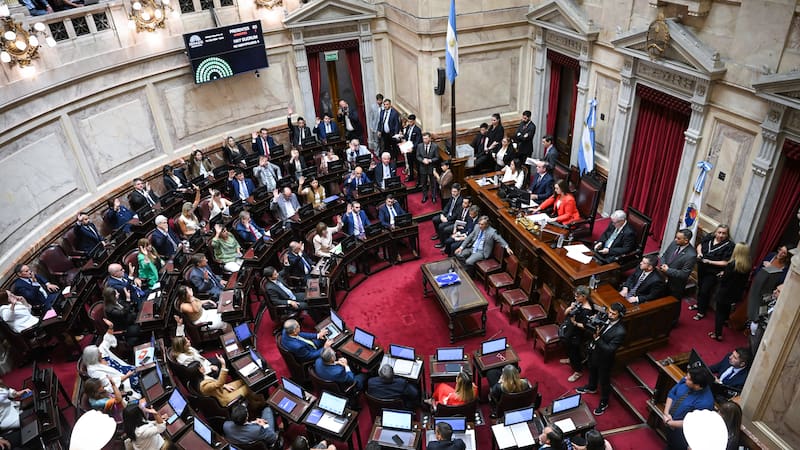
The National Senate is getting ready to address one of the most sensitive projects of the legislative year: the reform of the Juvenile Criminal Law and the reduction of the age of criminal responsibility from 16 to 14 years.
The initiative, which has already received partial approval in the Chamber of Deputies with 149 affirmative votes, proposes to replace the current regime in place since 1980, established during the last dictatorship, with an updated scheme that redefines the criminal responsibility of adolescents.
The central change: criminal responsibility from age 14
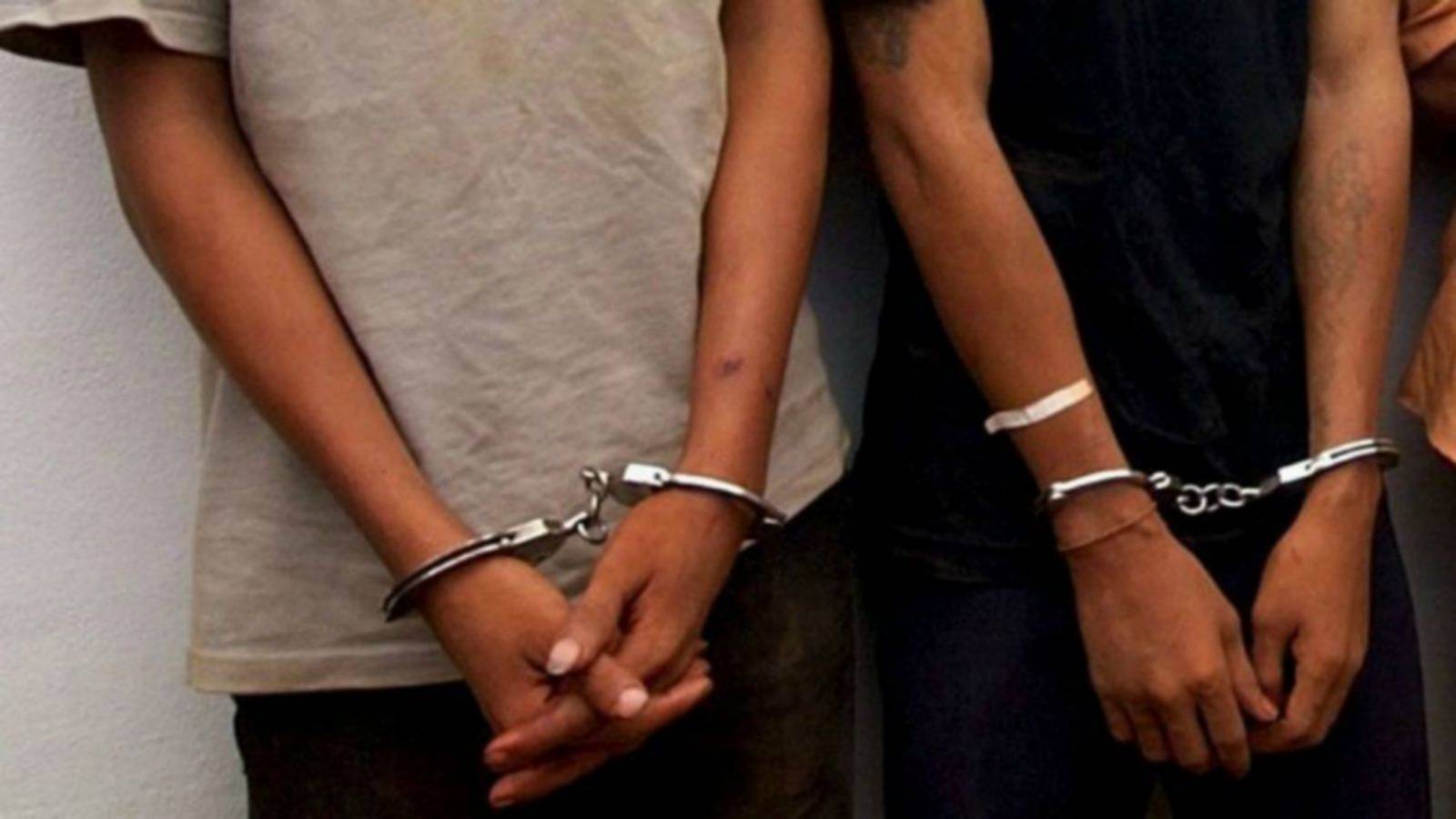
The core of the project is clear: young people aged between 14 and 18 years will be held criminally responsible. Currently, minors under 16 cannot be charged with crimes.
The new regime establishes a differentiated system by age. Those under 14 will be excluded from the criminal system and will be referred to rights protection agencies.
A progressive sentencing system
The reform introduces differentiated scales:
For 14-year-olds, the prescribed sentence is halved.
For 15-year-olds, the reduction is one-third.
From the ages of 16 to 17, there will be no reduction in scale, although life imprisonment remains prohibited.
Additionally, there is a maximum sentence of 15 years for the most serious crimes, and effective imprisonment is limited to cases where the penalty scale exceeds 10 years.
Alternatives to imprisonment
The project contemplates non-custodial sanctions for minor offenses: community service, reparation measures, restraining orders, and other tools aimed at avoiding incarceration as the first response.
Deprivation of liberty, according to the text, is reserved for the most serious cases.
Guarantees and reintegration
One of the central axes is the differentiation from the adult criminal system. The project establishes that minors cannot be housed with adults and provides for specialized institutions.
It also prohibits physical punishment and isolation and states that criminal records generated during minority age will be erased upon reaching adulthood, with the aim of not hindering future reintegration.
The political context
The treatment was accelerated following the murder of a teenager in Santa Fe, an event that reignited public debate on juvenile criminal responsibility.
In the Chamber of Deputies, the initiative was supported by the ruling party, PRO, UCR, and provincial blocs, while Kirchnerism and the left voted against it. In the Senate, the numbers are tighter, and the debate promises to be intense.
Public opinion and criticisms
Recent polls indicate a high level of social support for the reduction of the age of criminal responsibility. However, specialized agencies in childhood and academic sectors warn that the reform should be accompanied by prevention, education, and mental health policies.
The discussion is also social and structural: how the state responds to juvenile crime and which tools it prioritizes.

Comments