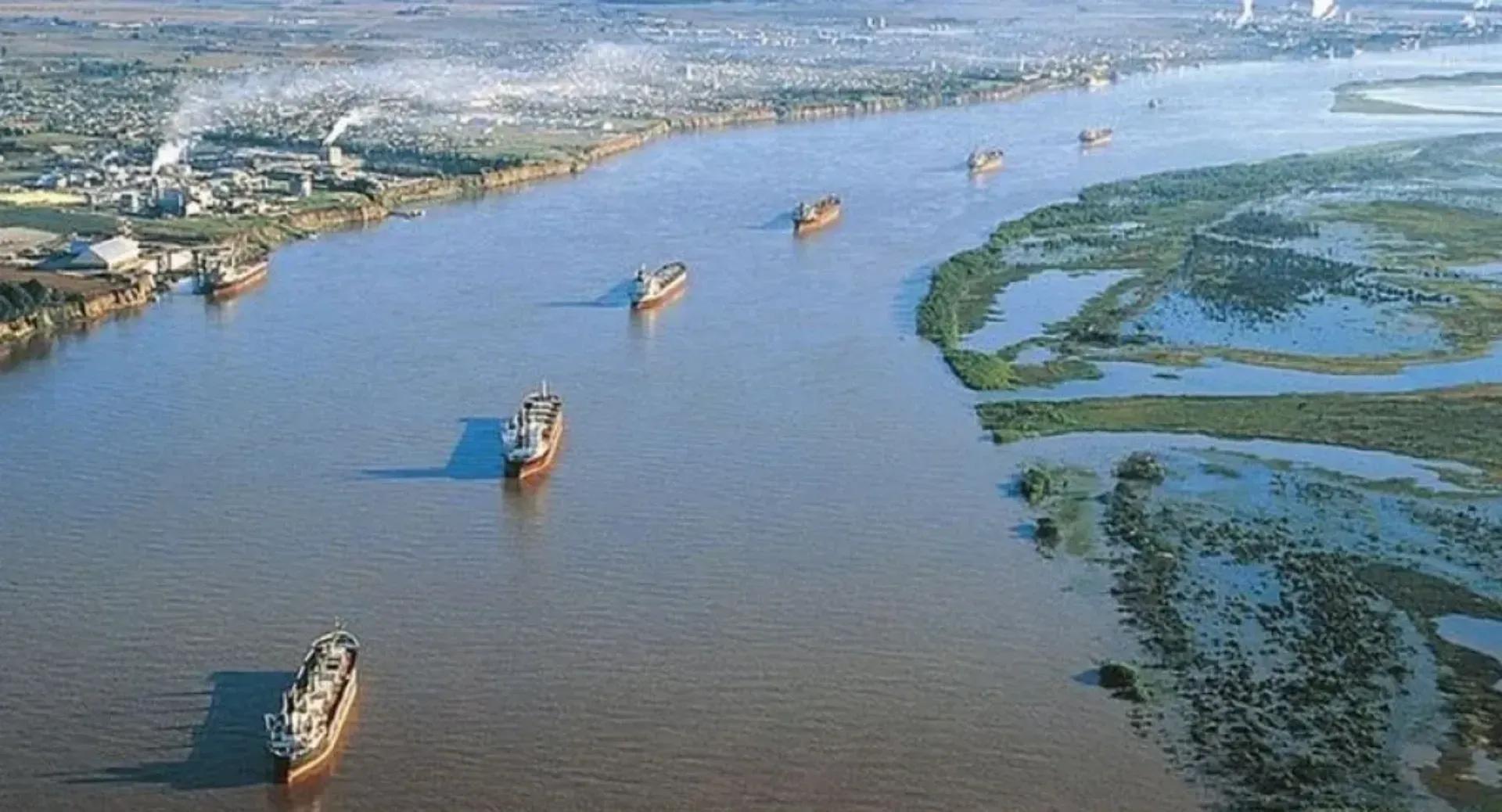
The Paraná-Paraguay Waterway is not just a logistical corridor. We are talking about a strategic artery of 3,400 kilometers that connects Argentina, Brazil, Bolivia, Chile, Paraguay, and Uruguay through the Paraná and Paraguay rivers, allowing continuous navigation from the productive heart of the continent to the Atlantic. Around five thousand vessels transit this route each year, but what truly flows through this river system is power.
From its waters, millions of tons of soybeans, corn, wheat, meat, and sugar depart. It is estimated that 50% of the plant protein consumed by the planet is traded in this region. In a world where food security has become a strategic issue, the Plate Basin is one of the central nodes of the 21st century.
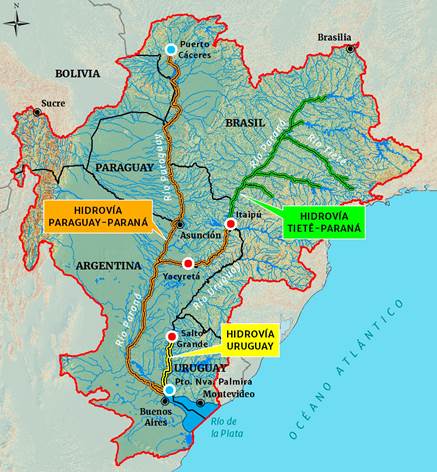
And it's not just about food. Beneath the region lies the Guaraní Aquifer, the third largest freshwater reservoir in the world. In a global scenario marked by increasing water and environmental emergencies, control of water could be as crucial as control of oil in the 20th century.
In Bolivian territory, Cerro del Mutún houses the largest iron reserve on the planet. This iron —a fundamental base for steel production— flows down the Paraná–Paraguay system towards Asian markets, mainly China. Steel is infrastructure, industry, military power. Ultimately, it is capacity for projection.
The equation is completed with energy. The Itaipú dam, a binational project between Brazil and Paraguay, holds the Guinness World Record for the highest accumulated production of energy in the world. The Yacyretá power station supplies nearly 50% of Argentine households. Food, freshwater, minerals, and energy: the four classic pillars of material power converge in the same geographical system.
The Chinese factor and pressure for soybeans
Asian growth transforms this equation into a key piece of the global chessboard. In 1996, China produced and consumed around 15 million tons of soybeans annually. By 2021, it produces almost the same amount but consumes about 115 million. By 2030, according to projections from the U.S. Department of Agriculture, it will need around 140 million tons.
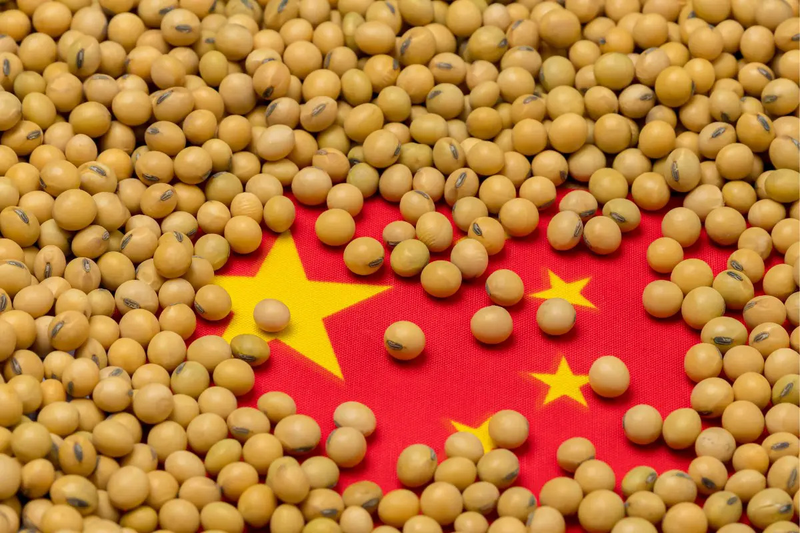
The problem is structural: while agricultural yields could increase by 1 or 2% annually, Asian demand calls for growth close to 3.5%. 90% of the world's soybeans are produced between the United States, Brazil, and Argentina. If Washington decided to restrict exports to Beijing for geopolitical reasons —in the context of the trade war or a larger strategic escalation—, China's food security would largely depend on South America. And much of that soy is transported via the Waterway.
It is there that the issue shifts from economic to geopolitical. The corridor transports the food stability of the second global power. And Argentina occupies a central place in that corridor.
The struggle for control
In 2023, Paraguay agreed with the United States to increase U.S. military presence in the waterway area. In 2024, Argentina's General Ports Administration signed an agreement for the U.S. Army Corps of Engineers to participate in the country's most important river route.
These movements cannot be seen as isolated events. Critical infrastructures —ports, bioceanic corridors, maritime passages— have always been contested spaces among the great powers. What is at stake is not just the efficiency of dredging or the depth of the channel, but who has effective capacity to influence a route that articulates food, energy, and strategic minerals. While the United States and China compete for global influence, the Plate Basin becomes a silent but potentially decisive scenario.
The Argentine dilemma and the South American opportunity
What is Argentina doing with this potential power? Our geography offers us a structural advantage. There is an industrial tradition, skilled human capital, and a projection towards Antarctica, another territory of increasing strategic relevance. However, the country fails to translate these assets into real political power.
Argentina exports resources but does not always negotiate from a position of strength. It sells food but does not articulate a continental agricultural strategy. It participates in a central energy basin but lacks a sustained policy that integrates sovereignty, infrastructure, and industrial development. The result leaves a bitter taste: one of the most strategic territories in the world often functions merely as a peripheral supplier.
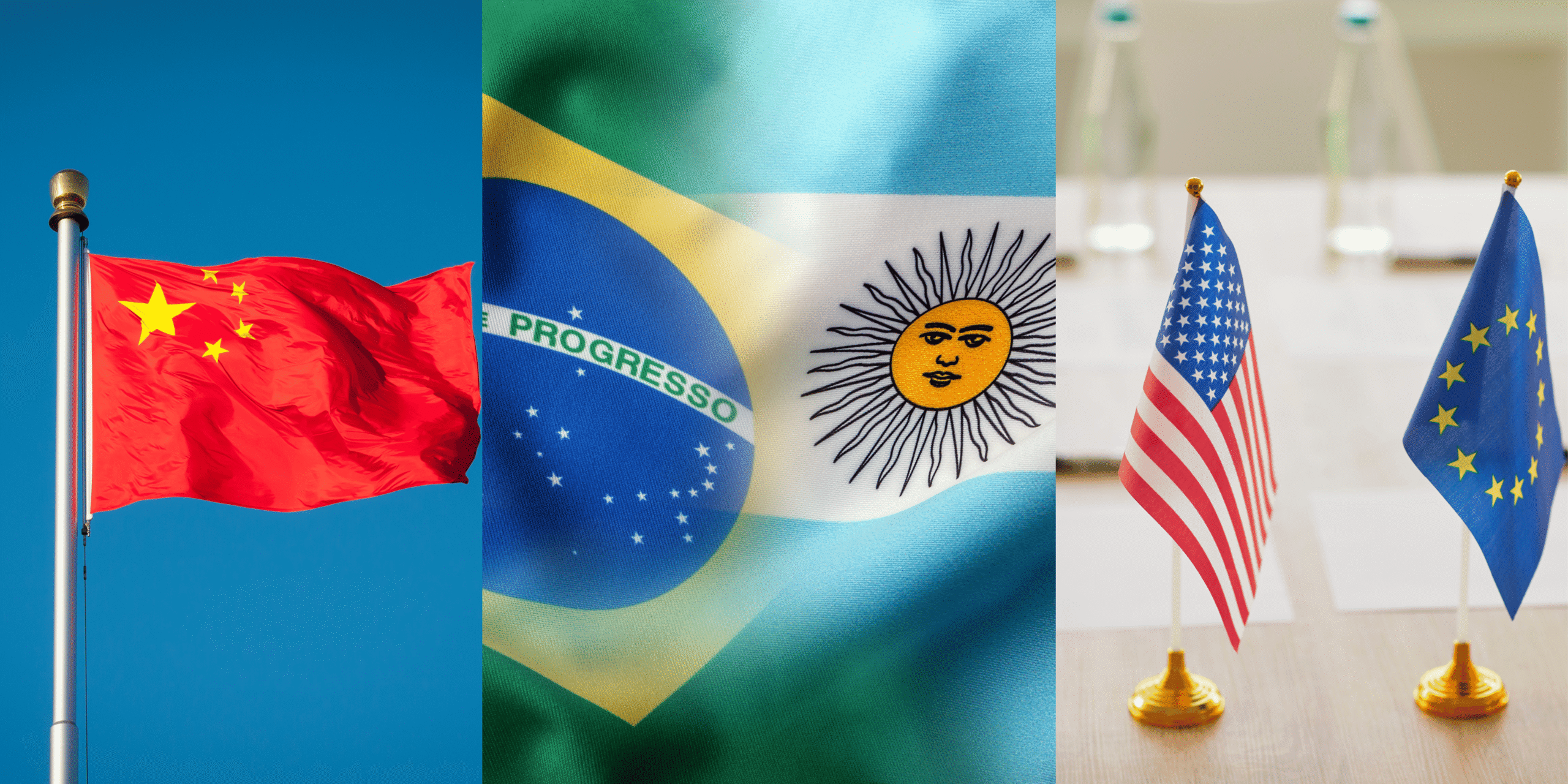
If the 21st century is structured around major blocs —the United States, China, Russia—, South America faces a historic challenge. Only a solid articulation between Argentina and Brazil could establish a regional pole with enough critical mass to negotiate under better conditions. The waterway, the agro-export complex, hydropower, and mineral resources are the material base of this project.
But for that to happen, sovereign control over strategic routes must be a priority. Not in terms of tactical self-sufficiency, but as a condition for negotiating from a position of strategic autonomy. The great powers sit at the negotiating table because they possess resources, infrastructure, and effective decision-making capacity over them.
The Paraná–Paraguay Waterway is, in this sense, much more than a navigable river. It is a lever of power. A fulcrum for building effective sovereignty in a rapidly reorganizing world.
History shows that countries that control their strategic routes control their destiny. Argentina has one of the master keys of the global chessboard in its waters. The question is whether it will decide to use it.

Comments