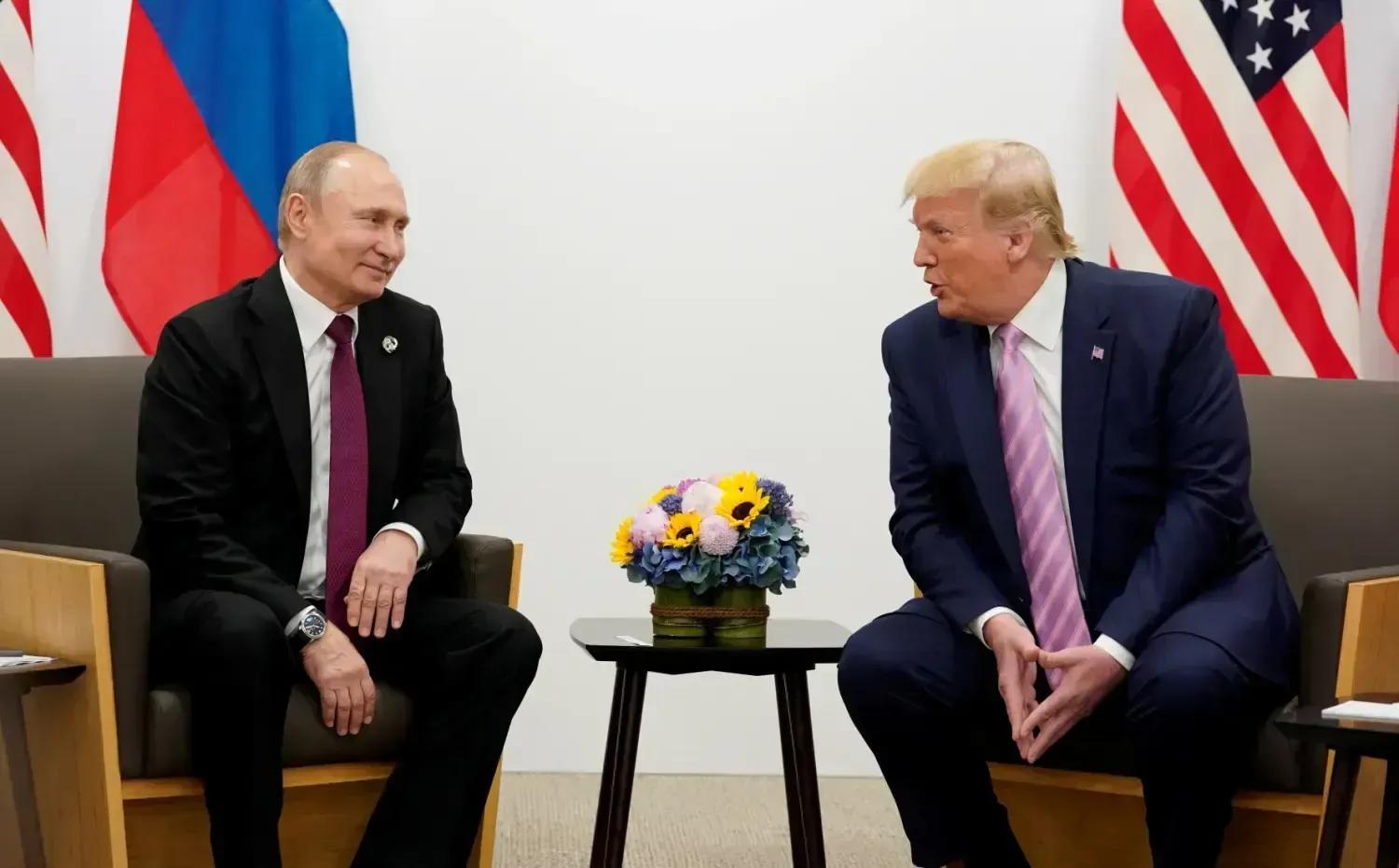
Since February 24, 2022, Eastern Europe has been going through a situation of maximum tension with the Russian invasion in the Donbas region. Since that date, Ukraine, led by Volodymyr Zelensky, has maintained resistance primarily funded by resources provided by the United States, to a greater extent, as well as by other NATO member countries.
Since the beginning of his second term in the Oval Office in January of this year, Donald Trump has stated on several occasions that resources to Ukraine would stop being sent in a spirit of solidarity, and that until an agreement is reached between Moscow and Kiev, European countries must begin to take a more prominent role in Ukrainian financing. Europe has not turned a deaf ear to this demand coming from Washington, and has started, in the middle of this year, a rearmament not seen since the end of World War II. One of the objectives of the Rearm Europe Plan, promoted by the European Commission, is to finance Ukraine in this war that is about to reach 4 years next February.
Ongoing Negotiations
At the beginning of November, rumors began to circulate that the United States and Russia had reached a preliminary agreement to end this war. This was confirmed by high-level sources from both the Kremlin and the American government, and on November 21, President Trump gave his Ukrainian counterpart an "ultimatum": by the deadline of Thursday, November 27 (Thanksgiving Day in the U.S.), Ukraine would have to accept the plan. This proposal, which consists of 28 points, included territorial concessions, a reduction of the Ukrainian army, and the abandonment of intentions to join NATO. President Zelensky described the proposal as "a very difficult choice: either the loss of dignity or the risk of losing a key partner."
Despite rejecting this proposal, Zelensky became, under the pressure exerted, more open to concessions, though of a lesser degree, than in previous scenarios. With this new situation, the U.S. and Ukraine announced a preliminary agreement on a modified version of the plan. This new 19-point plan gives Ukraine greater guarantees for its security. However, Zelensky was unable to ensure Ukrainian "dignity," as the firm refusal to concede territories has not yet been guaranteed.
Responses from Moscow
In light of this new scenario, on December 2, a meeting took place between Russian President Vladimir Putin and an American delegation to present the new proposal. From the Kremlin, the meeting was described as "constructive," although with no concrete progress, as they continue to demand guarantees regarding the status of the occupied territories and will not consider accepting any conditions that are "contrary to Russian strategic security."
Despite these diplomatic approaches, the situation continues to escalate, as in recent hours Putin has threatened to close maritime access for Ukraine following attacks on Russian oil tankers carried out by Ukrainian drones in the Black Sea.
Although Washington is optimistic about the possibility of a short-term agreement, the situation remains conflictive, and the foundations of this potential agreement continue to be extremely fragile. In this scenario, where the conflict seems to be heading towards a "Chicken Game," Ukraine's chances of obtaining a relatively positive agreement for its interests diminish, while Russia not only possesses military supremacy but also small signs of fatigue coming from the U.S.

Comments