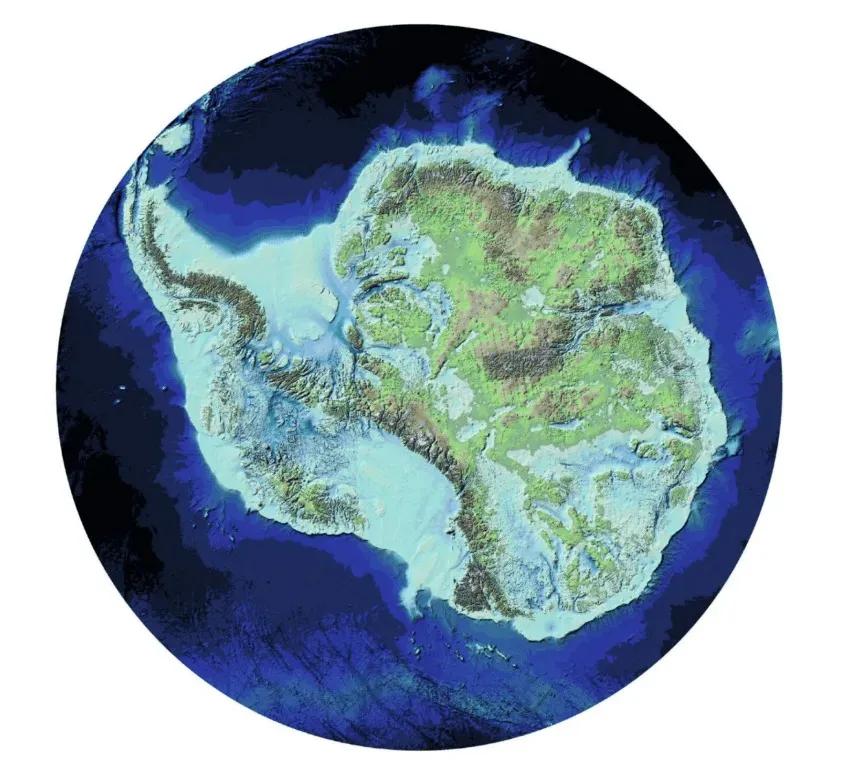
Underneath the largest ice expanse on the planet lies an entire continent that no one has seen. Mountains buried under kilometers of glacier, lakes with millions of years of isolation, reserves of resources that could redefine the global power balance. Antarctica presents itself to the world as a territory of science and silence. It is, in reality, the scene of a dispute that is just beginning.
What lies beneath
The ice layer averages 2,300 meters thick. Below it, there is continental rock, mountains of up to 3,000 meters that have never been seen, and more than 400 subglacial lakes sealed by the weight of the glacier. The largest of them, Lake Vostok, has been isolated from the rest of the planet for between 15 and 25 million years. In 2012, Russian scientists reached its waters after decades of drilling and found indications of microorganisms adapted to total darkness and extreme pressure.
The discovery has implications that go beyond terrestrial biology: moons like Europa and Enceladus present similar conditions, and what happens in Vostok could become the reference model for the search for life on other worlds.
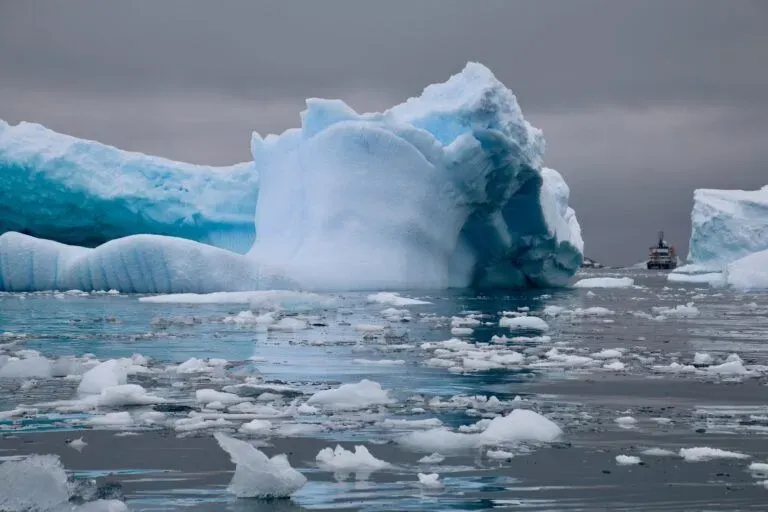
There are also resources beneath the ice. Geological estimates point to reserves of coal, iron, copper, gold, and possible deposits of oil and gas in the continental shelf. The continent also holds 70% of the planet's freshwater, an asset whose strategic value grows as water scarcity advances in other regions.
The Madrid Protocol of 1991 prohibits its exploitation but includes a clause that makes it reviewable starting in 2048. That date, seemingly far away, silently organizes the strategy of great powers.
The unnamed struggle
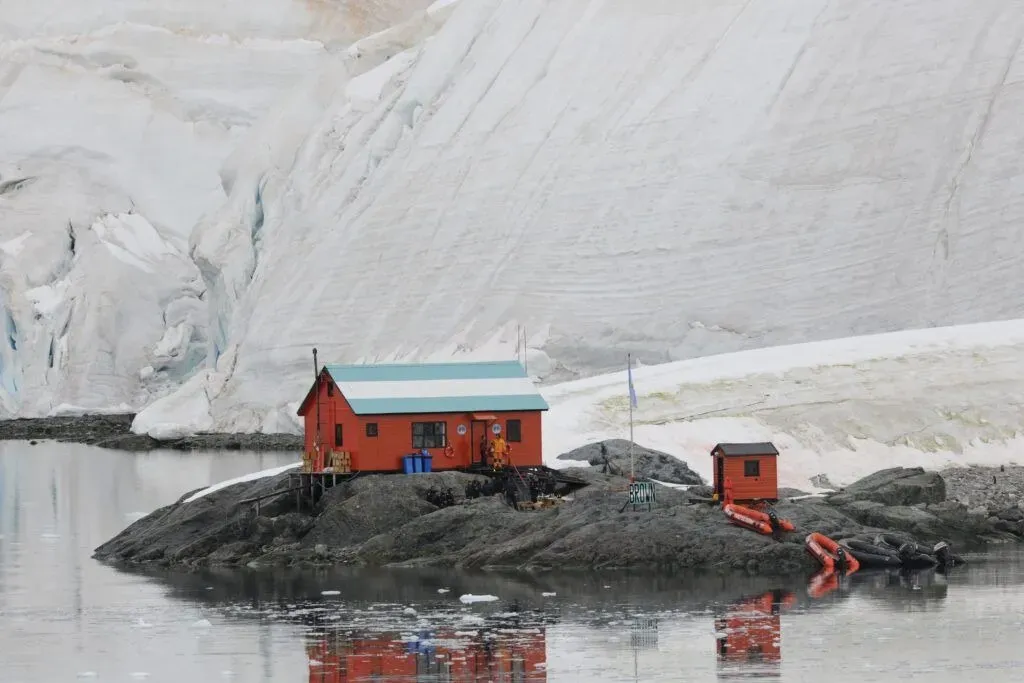
China inaugurated its fifth Antarctic base in 2024 and operates state-of-the-art icebreakers. Its geographical distribution on the continent is not considered a coincidence by Western analysts. Russia maintains the oldest network, inherited from the Soviet era, with a historical presence in the area of Lake Vostok. The United States manages McMurdo, the largest permanent facility on the continent. Argentina and Chile have territorial claims frozen by the Antarctic Treaty of 1959 and a historical presence in the Antarctic Peninsula. None of these movements is purely scientific. They are, in varying proportions, acts of preemptive positioning in the face of a rapidly approaching horizon.
The South American gateway
The path to Antarctica passes through the southernmost tip of America: the Strait of Magellan and the Beagle Channel serve as alternative routes to Cape Horn for navigation between the Atlantic and Pacific Oceans, arteries of strategic importance that the centuries have not diminished. Ushuaia, the southernmost port in the world, is the natural resupply point for Antarctic expeditions and the center of a recurring discussion in Argentina about the need for deep-water infrastructure to project effective sovereignty to the south.
The Falklands complete this picture with a dispute that has found no resolution. The archipelago, under British control and sovereignly claimed by Argentina, has a high-value exclusive economic zone for fishing and hydrocarbons.
Illegal fishing in the South Atlantic —with fleets of up to 400 foreign ships, mostly Chinese, operating in the vicinity of the Argentine EEZ— is a persistent sign of the lack of effective control means in a region that, paradoxically, concentrates more and more external interest.
What is at stake
If Antarctic ice were to completely melt, sea levels would rise by 58 meters. Buenos Aires, Shanghai, New York, and London would be partially submerged. Antarctica is not only a repository of resources or a board for geopolitical conflict: it is the largest climate regulator on the planet, and its stability is a condition for the possibility of civilization as it exists today.
The southern world has for centuries been the margin of the map. What accumulates there —ice, resources, military bases, territorial claims— suggests that this margin is about to become the center.
Marcos González Gava is co-founder of Reporte ASIA and a specialist in managing commercial, financial, and cultural affairs with the People's Republic of China.

Comments