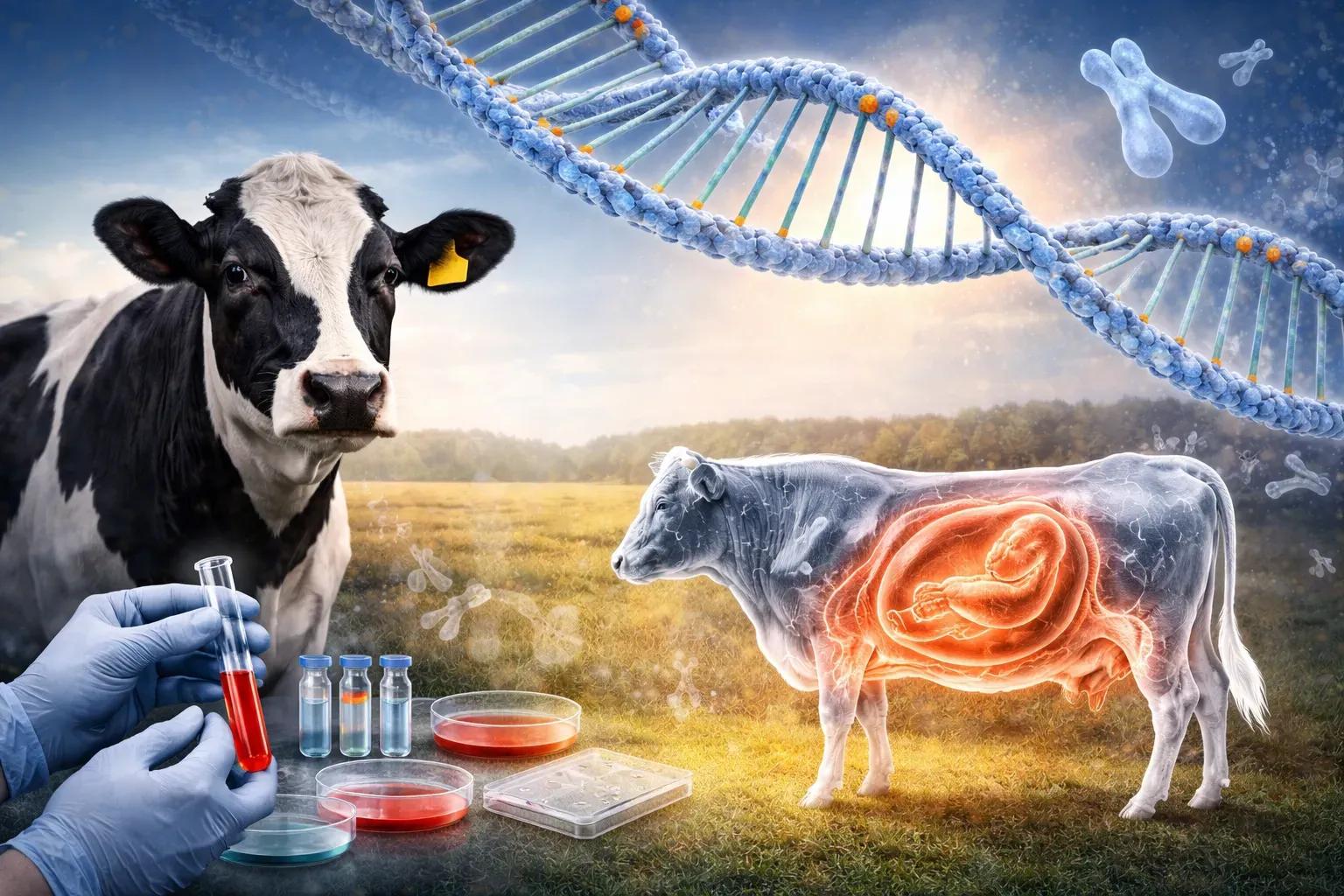
In a pioneering country in agricultural production, bovine genetics is one of the silent pillars of modern livestock farming, responsible for the sustained improvements in meat and milk production.
What do we mean when we talk about Bovine Genetics?
Bovine genetics is a branch of biotechnology that studies the transmission of hereditary genes in cattle, and how these genes can be selected or "improved" for notable productive performance. From artificial insemination to genetic improvement, the goal is not to create "artificial" animals but to optimize natural biological potential, selecting those specimens with the best productive performance, generating a favorable economic yield for the producer.
What is the limit of human intervention in genetic manipulations?
One of the main concerns relates to animal welfare. When modifying any type of gene in a bovine or equine, it is necessary to present the type of technique that will be used, which gene will be modified, and then conduct a veterinary follow-up of that animal from birth until its development. These processes are regulated by various Argentine associations, which define what type of modifications can be made.
National Law N 20.425 establishes the basic legal framework that regulates various activities related to artificial insemination (introduction of semen previously collected from a bull and preserved in the reproductive tract of the cow without the need for natural mating), covering use, preservation, and transport under official regulations. In accordance with this law, Decree N 4678/1973 approves a specific regulation for artificial insemination with mandatory registration for veterinarians who perform these techniques, with prior training and qualification.
These regulations are a clear example that technological advancements can be achieved responsibly and consciously.
In a country where agriculture is not only an economic activity but part of national identity, the discussion is no longer whether to use biotechnology or not, but how to use it better. Bovine genetics does not represent a break with tradition, but its natural evolution: integrating science, data, and responsibility to produce more with fewer resources, with greater traceability and increasingly demanding international standards.
The real challenge is not in modifying a gene, but in building a productive model where innovation, ethics, and sustainability progress in balance. Because the future of Argentine livestock will not depend only on the quality of its herds but on the intelligence with which we choose to develop them.

Comments