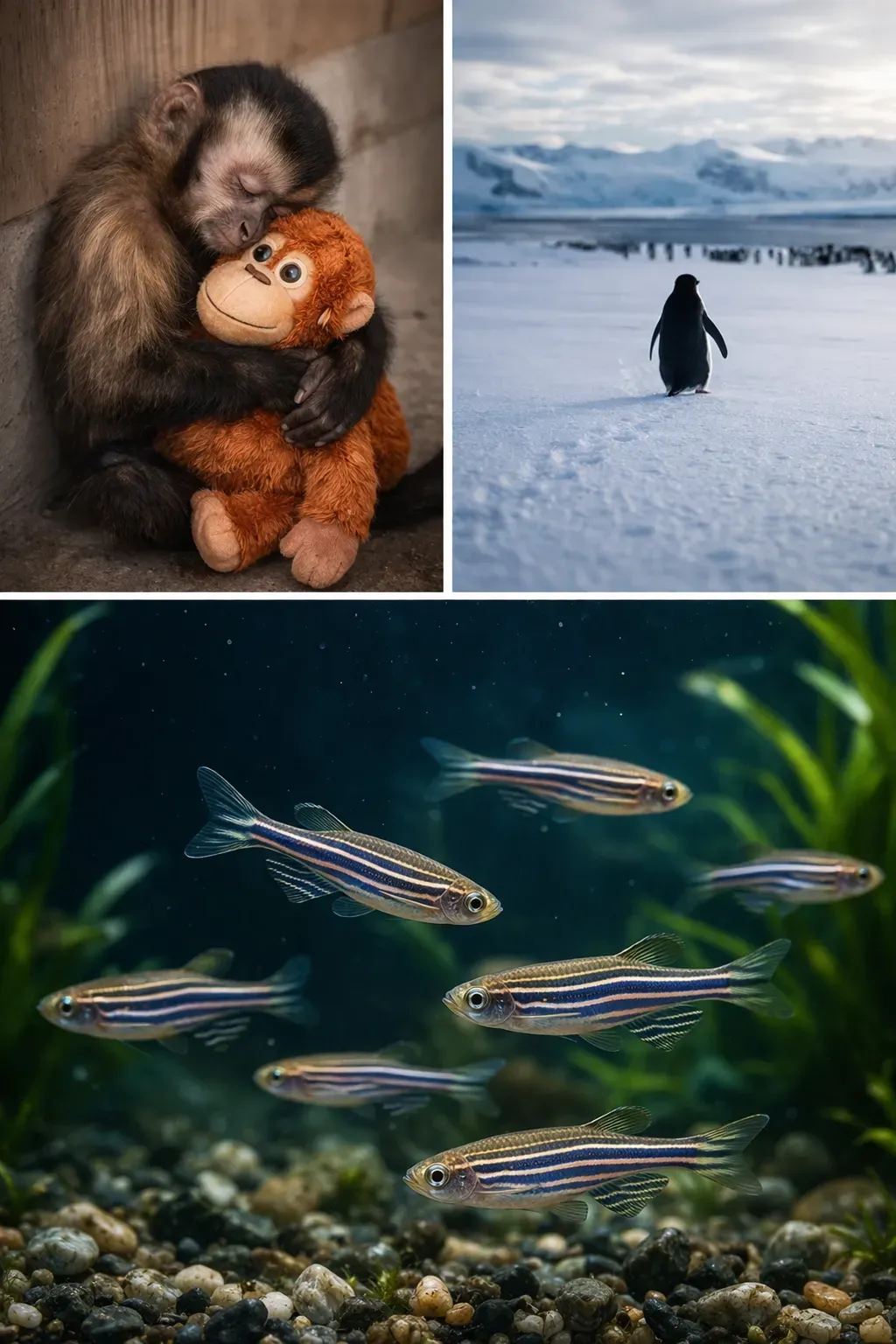
For us, it is completely normal to have emotions, but as Dr. Barbara J. King asserts “Humans do not own love or pain; these emotions are widespread in other animals”, but how do we know that the animals around us feel the same emotions as we do? We might think of Punch, the monkey that showed affection and care for his stuffed orangutan, or the documentary of the Adélie penguin that strayed from its flock, which exemplifies beings that are very united, and when one leaves, the group feels incomplete. This could indicate a sense of belonging or connection upon noticing someone's absence, which is comparable to what we know as grief.
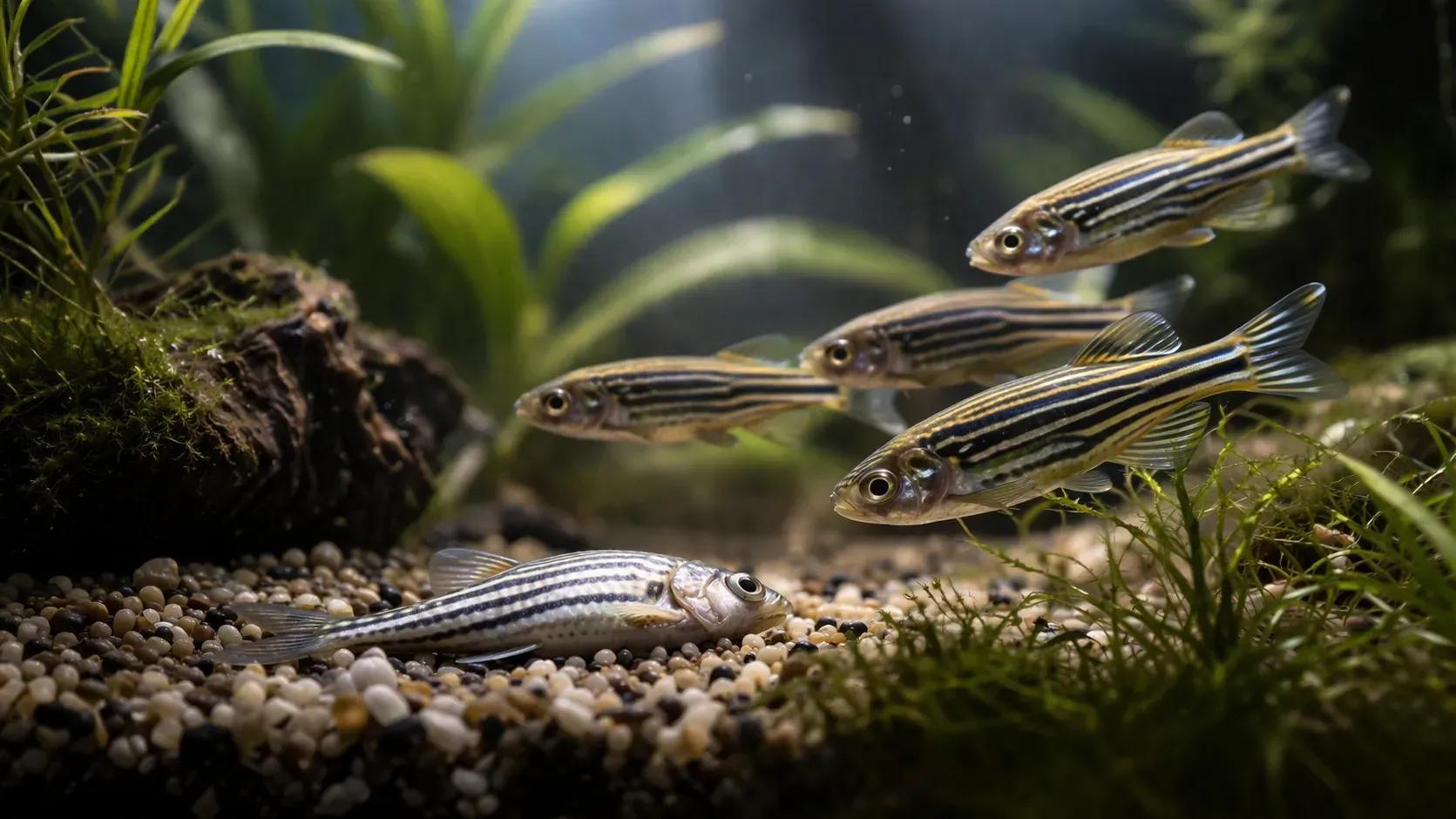
As part of Bioclubs Fishroom, a space for scientific exploration at our university, we are responsible for the care and study of the aquatic organisms we have. A few weeks ago, we experienced the loss of a zebra fish due to buoyancy issues, which raised a lot of uncertainty for me about the behavior of the rest of its tank mates. This led me to wonder: if we recognize grief in birds and primates, why would it be difficult for us to acknowledge emotions in fish? Is it a matter of a real biological difference, or a human cognitive bias?
For years, the ability of fish to feel pain has been questioned. Some believe this is to justify trade (fishing). However, several advancements show fish sensitivity over time through studies that began in the 1990s.
Neurobiologists have recognized that fish have a nervous system that responds to pain through nociceptors (pain receptors). They possess neurotransmitters (chemical messengers that allow communication between neurons) that can identify suffering and respond with endorphins that act as pain relievers.
Another recent study demonstrated that the scents of dead zebra fish provoke defensive behavior in living specimens of the same species. How did they discover this? Zebra fish were exposed to stimuli (visual, tactile, and chemical) coming from dead specimens of their own species, such as substances or decomposing skin cell remnants. Upon smelling these substances, their bodies send signals producing a reaction, displaying defensive behavior, such as swimming faster or remaining still to avoid being seen. Additionally, there was an increase in the stress hormone, namely, cortisol.
Lastly, zebra fish are highly social animals. When a zebra is socially disrupted or exposed to decomposing substances, it not only experiences neuroendocrine alterations—such as the increase in cortisol we mentioned—but can also have effects at the transcriptional level. Yes, their genes! It has been shown that due to social isolation, zebra fish can undergo changes in the activity of genes related to neuronal function and neurotransmitters like serotonin and dopamine, linked to sensations such as pleasure, reward, and happiness.
When I saw the fish lying at the bottom of the tank, it was inevitable to think that the rest might mourn its loss. Although (still) there is no scientific evidence supporting that zebra fish undergo “grief,” as we have seen, there are scientific data comparable to processes that we associate with this term. Between what we can see at a glance and what we discover day by day, there is a huge space of questions with answers yet to be revealed. Perhaps the great challenge of science is to discover whether they experience grief, but our challenge is to question why we must see explicit emotions to believe it.
By Rocío Ampuero, student of the Biotechnology Degree at UADE

Comments