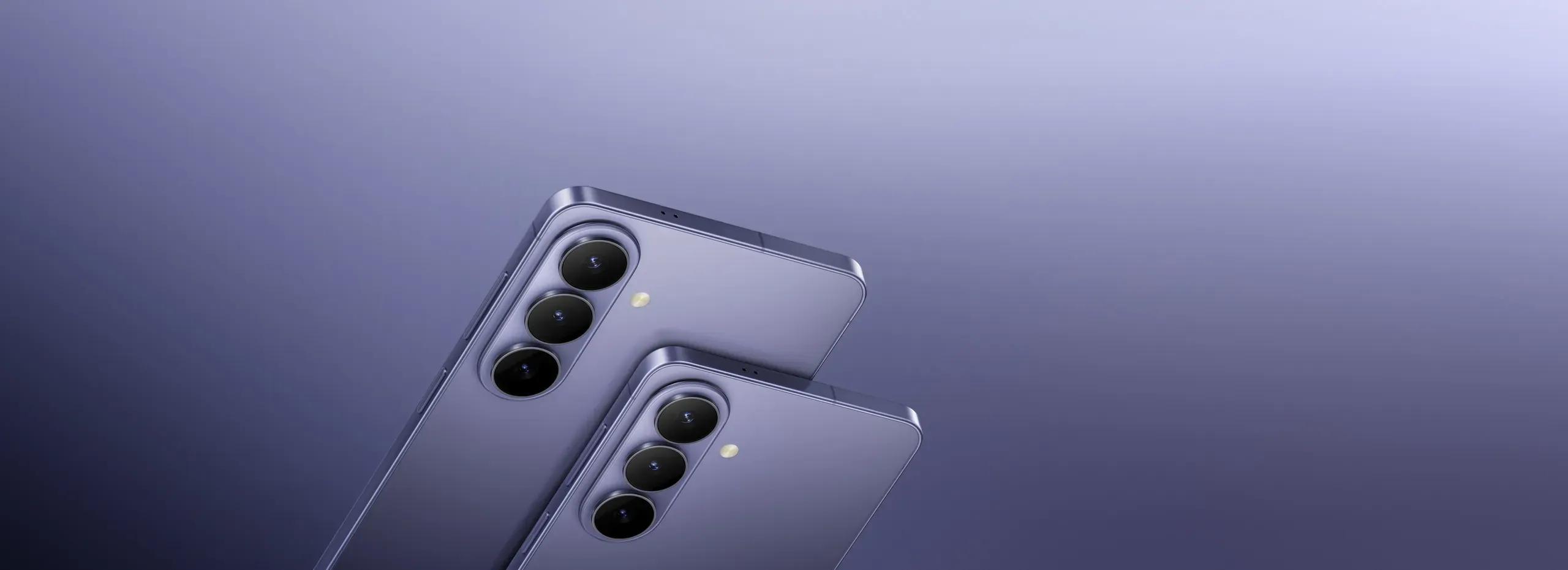
The recent launch of the Samsung S26 series has captured the attention of the tech world, raising a crucial question: what does this evolution really imply for the smartphone market and consumers? In a context where competition is fierce and expectations are high, the Galaxy S26 aims not only to be a new device but also to redefine how we interact with technology. This analysis will explore its impact on the sector, the reasons behind its development, and how it compares with other global players.
Current situation and context
The launch of the Samsung S26 has generated a wave of excitement reflected in concrete figures. According to data from Counterpoint Research, Samsung maintained a 20% share of the global smartphone market in 2022, leading over its competitors. In this framework, the S26 is expected to help increase this figure through significant innovations such as its integrated privacy screen and improvements in artificial intelligence. Furthermore, the report by IDC indicates that global smartphone sales have fallen by 6% in 2023, making every new model crucial for maintaining or regaining market share.
Analysis of causes and factors
Behind the development of the Galaxy S26 are multiple factors worth analyzing. First, the growing demand for safer and more efficient devices has led Samsung to incorporate advanced technologies such as artificial intelligence (AI) and integrated privacy. A study by Gartner indicates that 80% of consumers prioritize security in their purchasing decisions. This focus responds not only to current trends but also to a historical context where security breaches have severely affected competing brands. For instance, incidents like the massive hacking of Yahoo or leaks on Facebook have created an environment where trust is fundamental.
International comparison and global impact
When analyzing how the Samsung S26 positions itself against international competitors, it is essential to observe cases like Apple with its iPhone 14, which has maintained strong loyalty among consumers thanks to its integrated ecosystem. According to Statista, Apple saw a 5% increase in sales during 2022 while other brands suffered declines. In Europe, Huawei faces restrictions due to trade sanctions, which has opened space for Samsung to capitalize on this gap. The international strategy must consider not only technological differences but also trade policies and local regulations.
Implications and consequences
The implications of the launch of the Galaxy S26 go beyond the simple act of selling phones; they directly impact the global tech economy. With an estimated investment of $10 billion by Samsung in research and development for this series, a domino effect is anticipated on both local and international suppliers. Furthermore, this could generate new jobs both in factories and in sectors related to software and digital services. However, there is also concern about how this competition could lead to a harmful price war for small emerging companies.
Strategic perspective and future outlook
Looking ahead, Samsung's strategy with the S26 seems focused on consolidating its leadership through continuous innovation and market adaptability. However, there are associated risks; for example, if it fails to maintain the perceived quality compared to other more affordable models or if it does not quickly adapt to changes in consumer preferences. The recommendation would be to focus not only on technical features but also on building strong relationships with consumers through exceptional customer service and loyalty programs.
The evolution of the Galaxy S26 invites us to reflect on how technology can not only facilitate our daily lives but also create deeper connections between users and their devices. In this sense, each new release is an opportunity to reimagine our digital future. 🌟

Comments